Organic Farm & Heritage Breeding
เกษตรวันหยุด ทำไปเรื่อย เหนื่อยก็หยุด 082-2056113
มูลจันทร์ฟาร์ม จำหน่าย ไส้เดือนAF, มูลไส้เดือนแท้, สุนัขไทยหลังอาน, ไก่ไข่สวยงาม หลายสายพันธุ์
มูลจันทร์ฟาร์ม

Moonjun Farm Chonburi

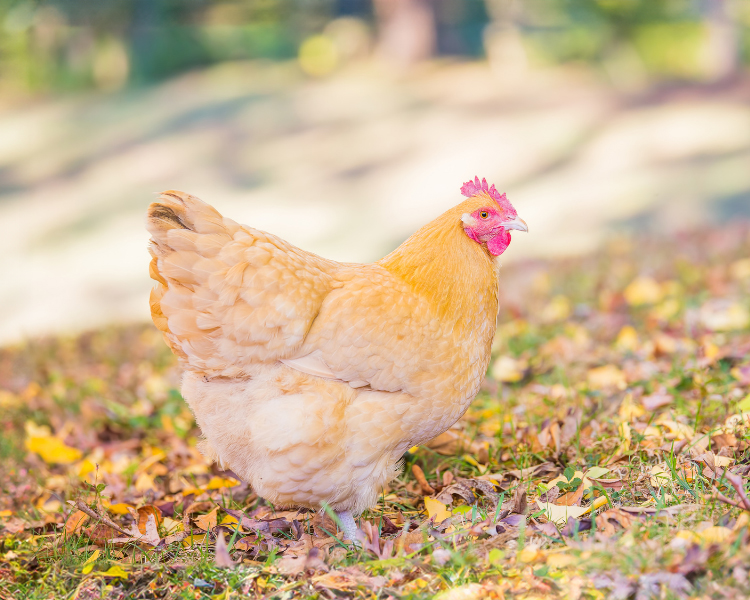
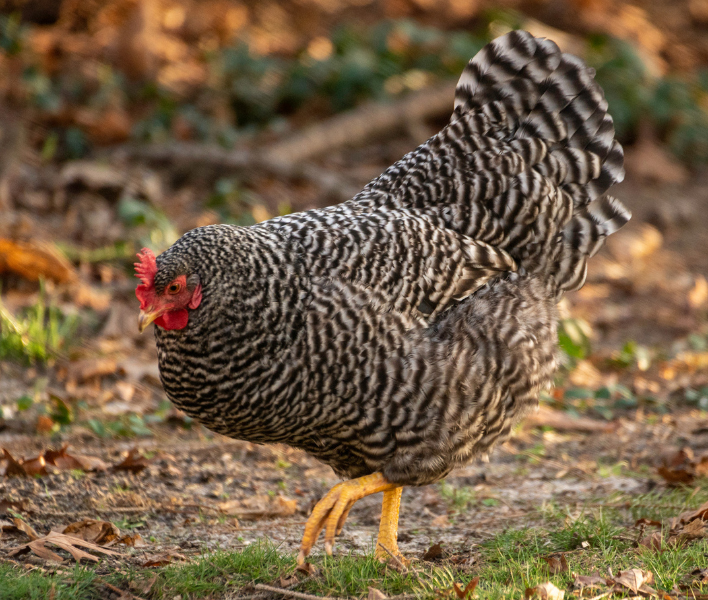
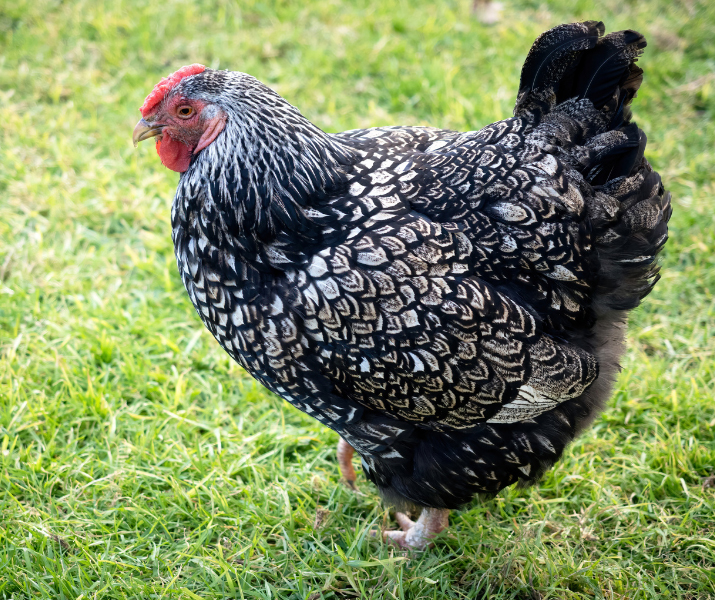
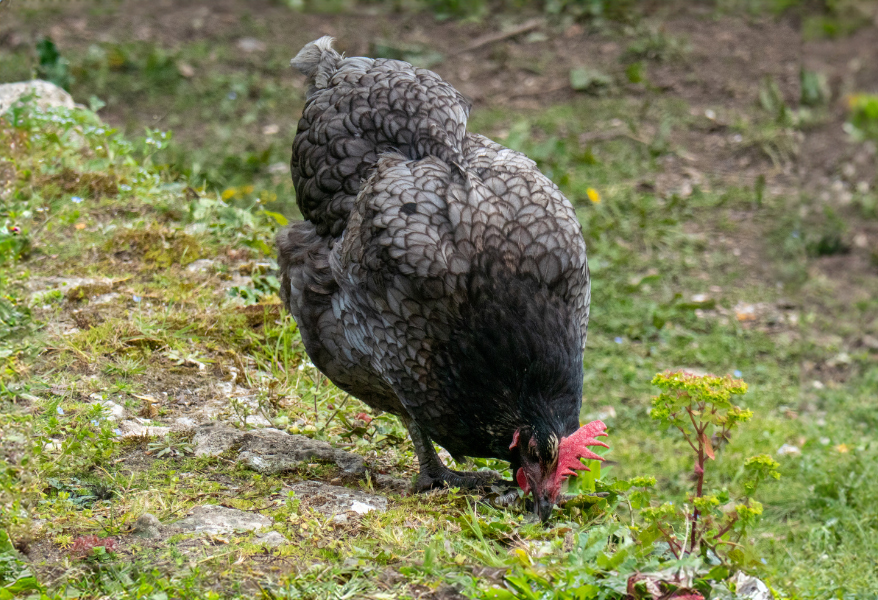
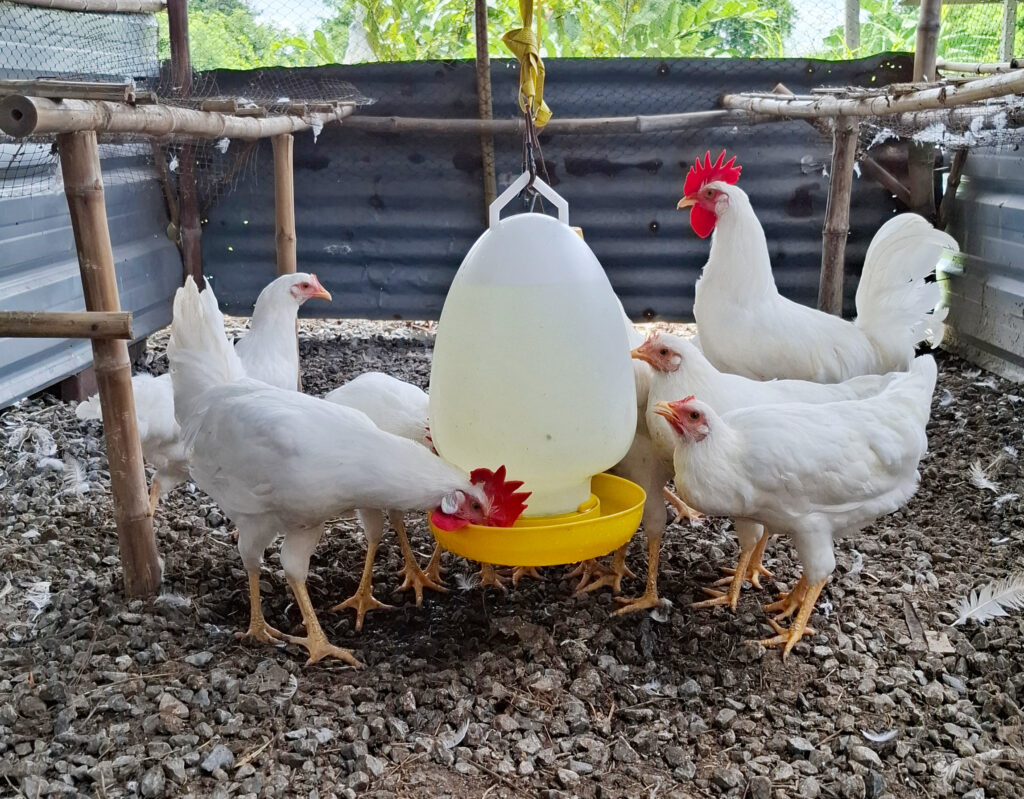
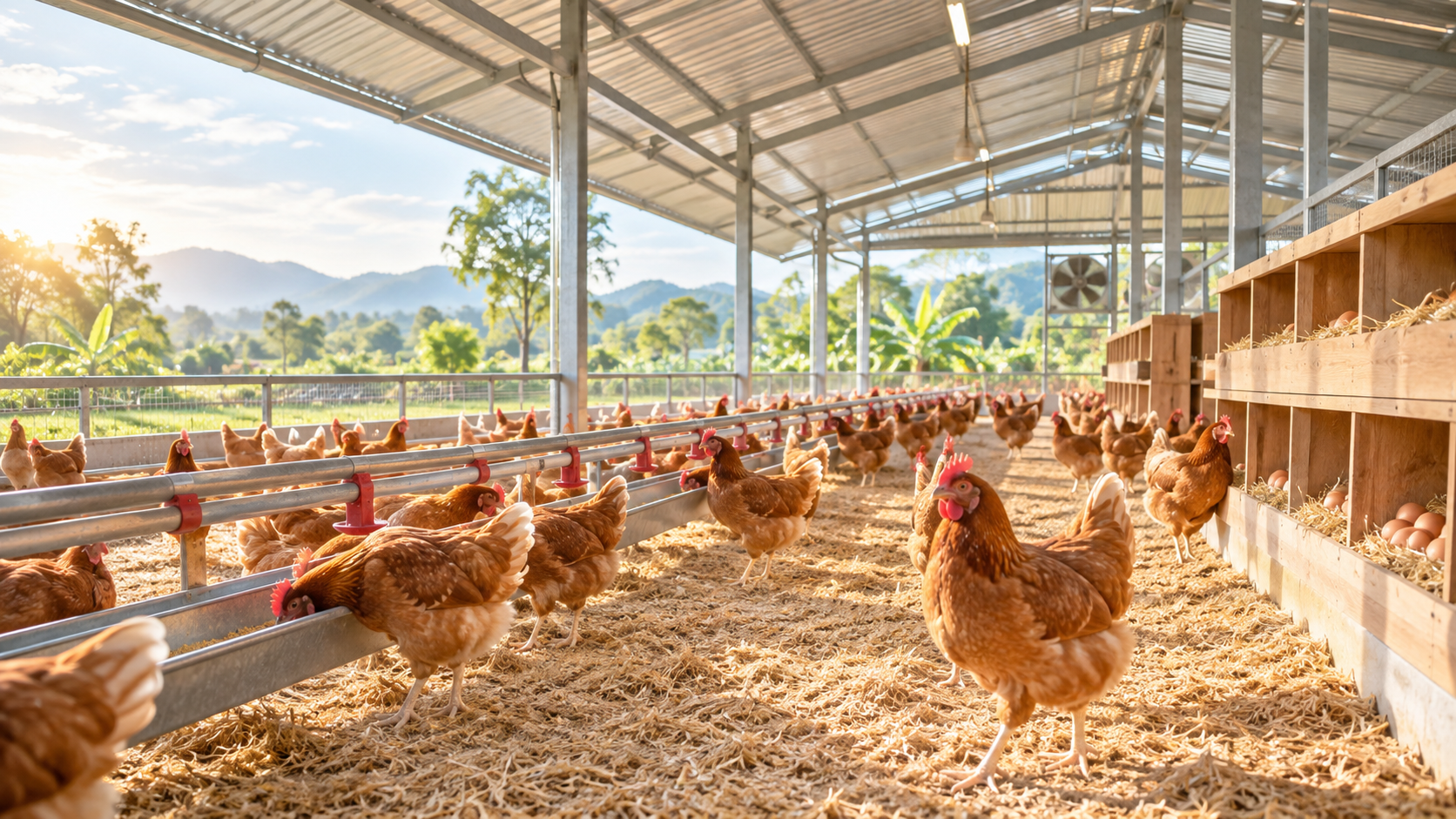
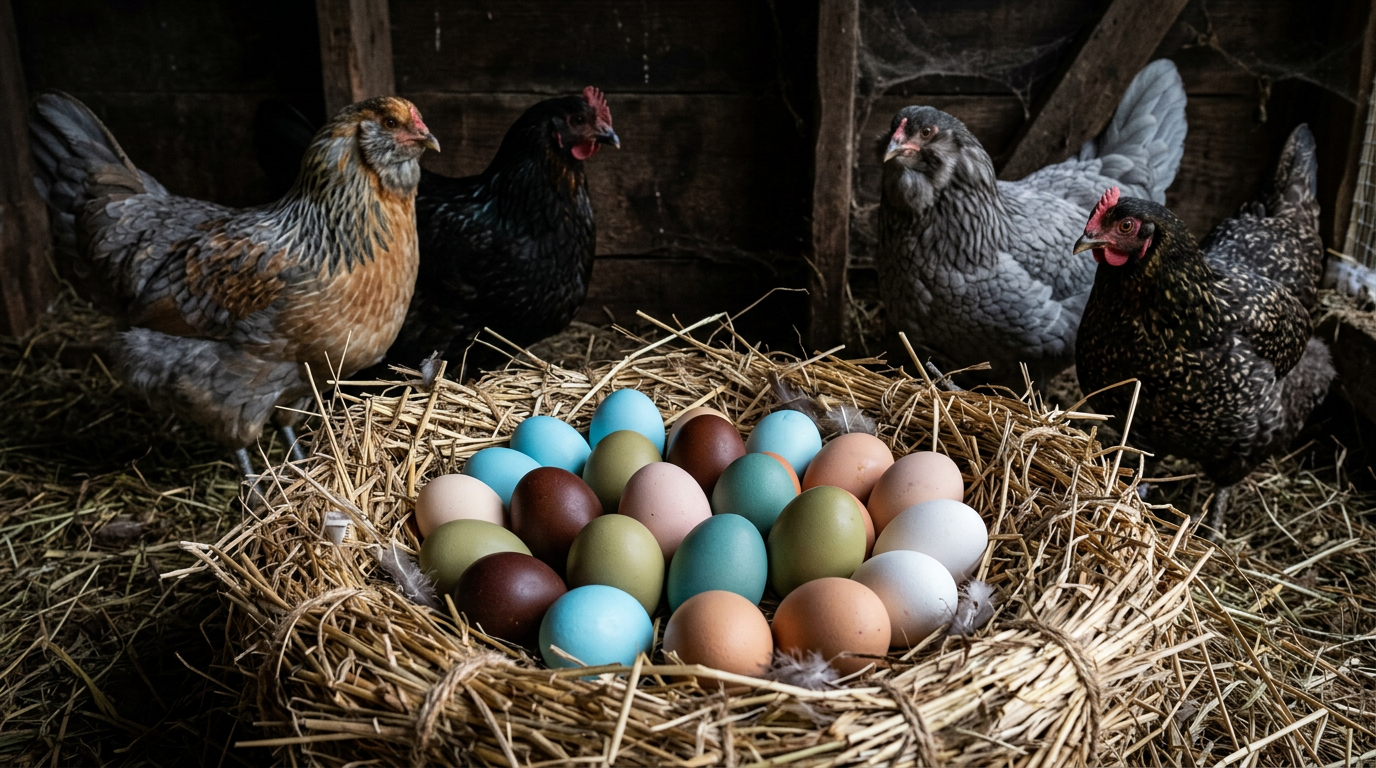
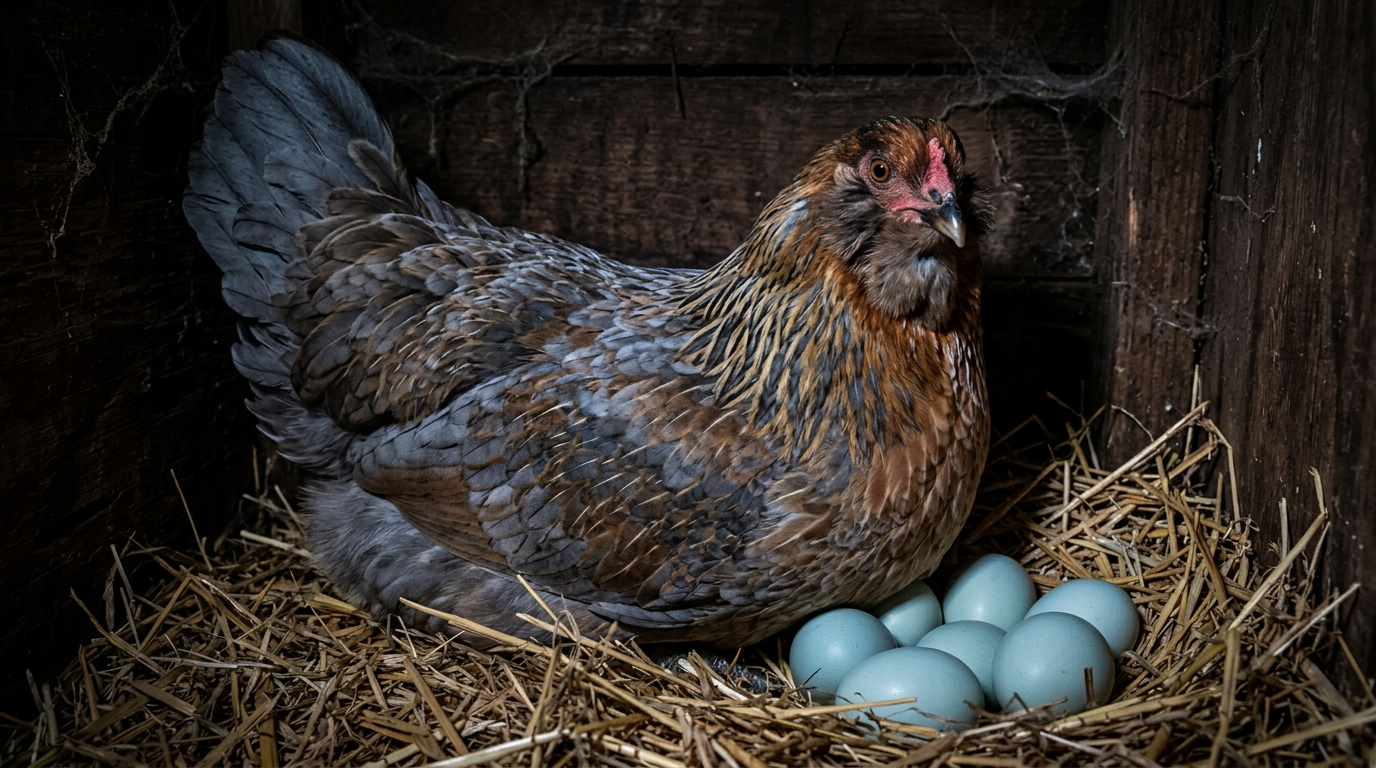
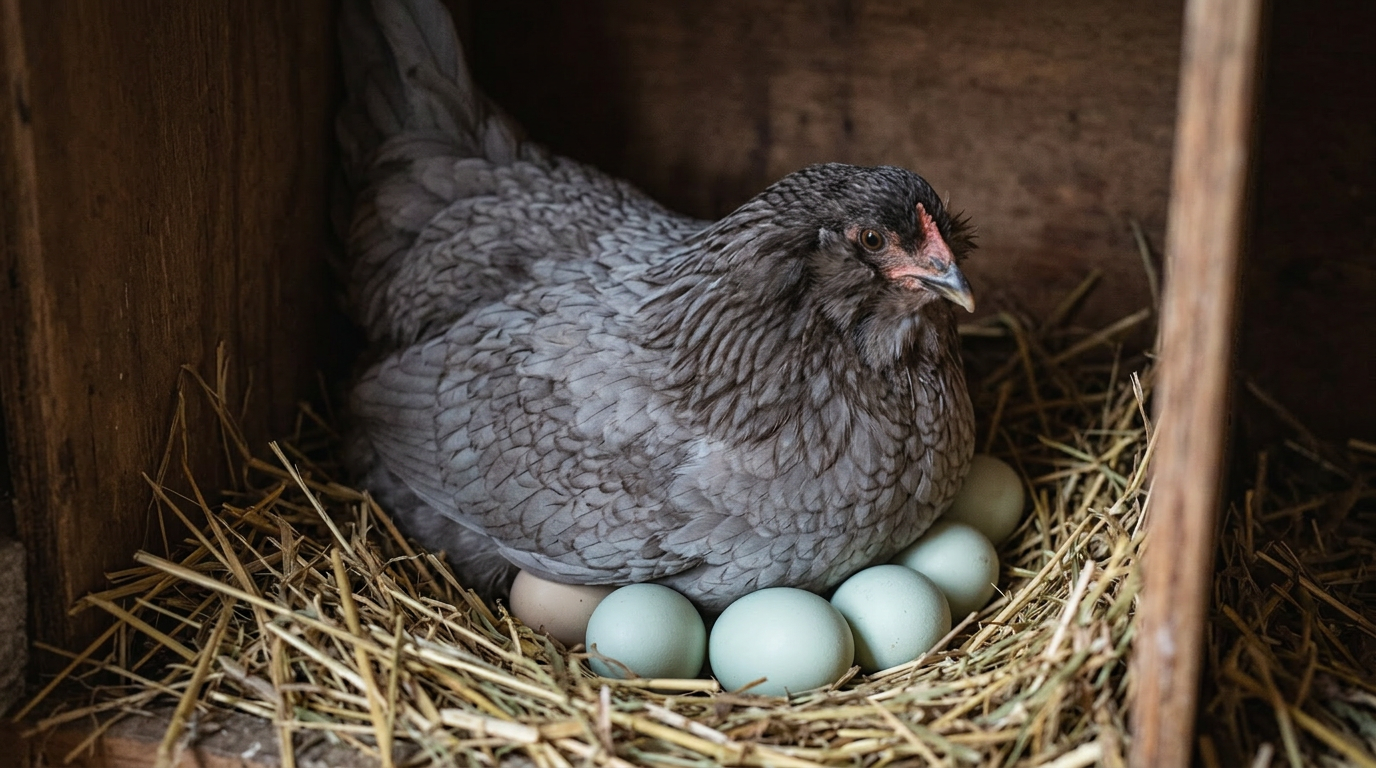
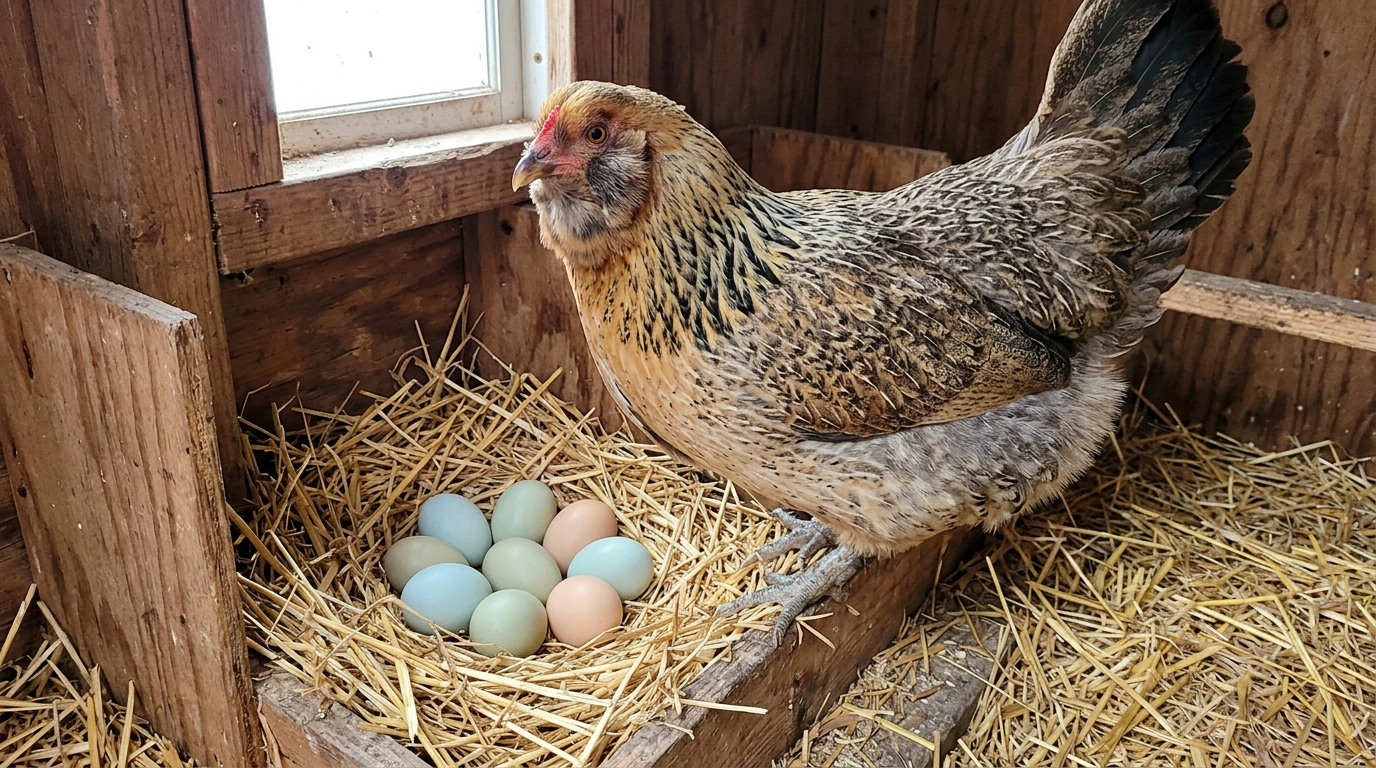
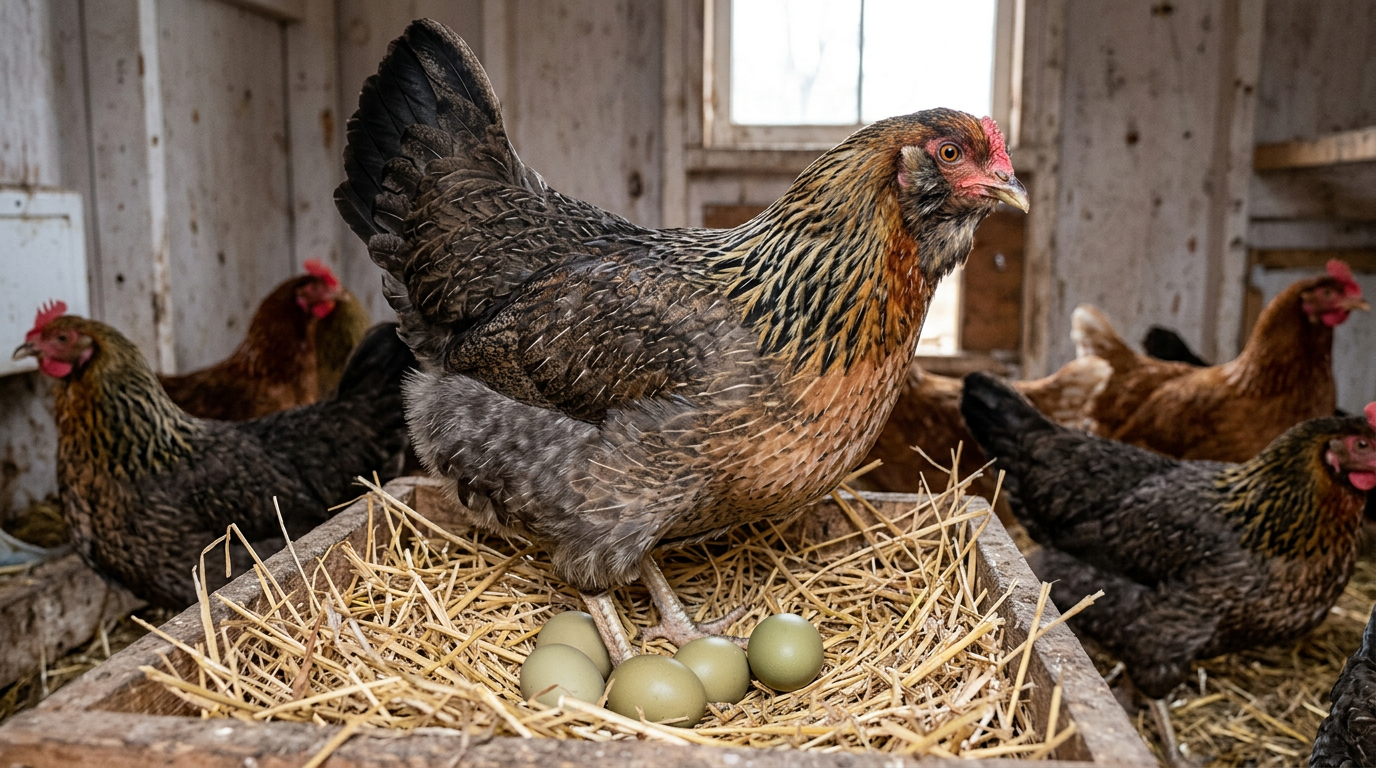
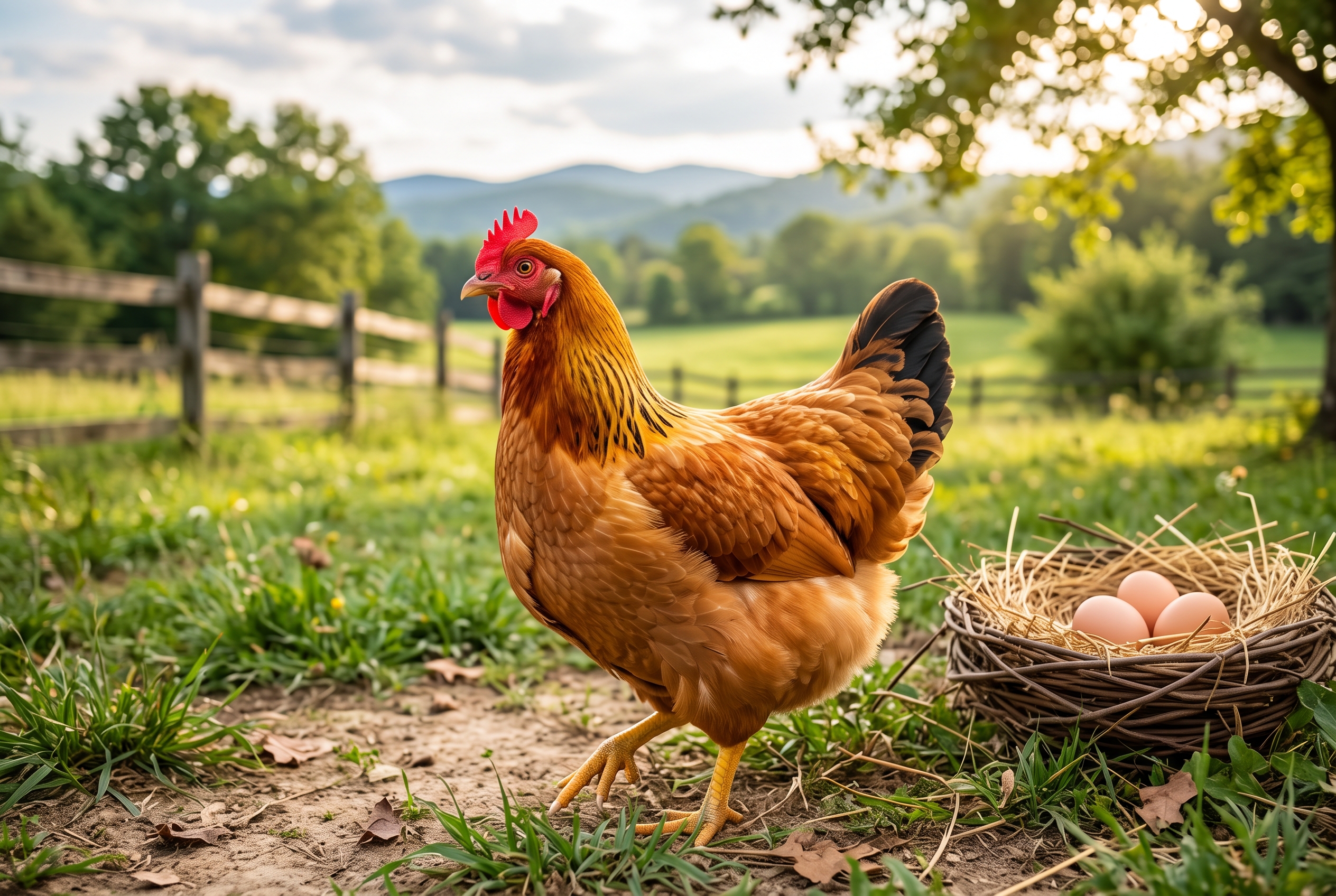
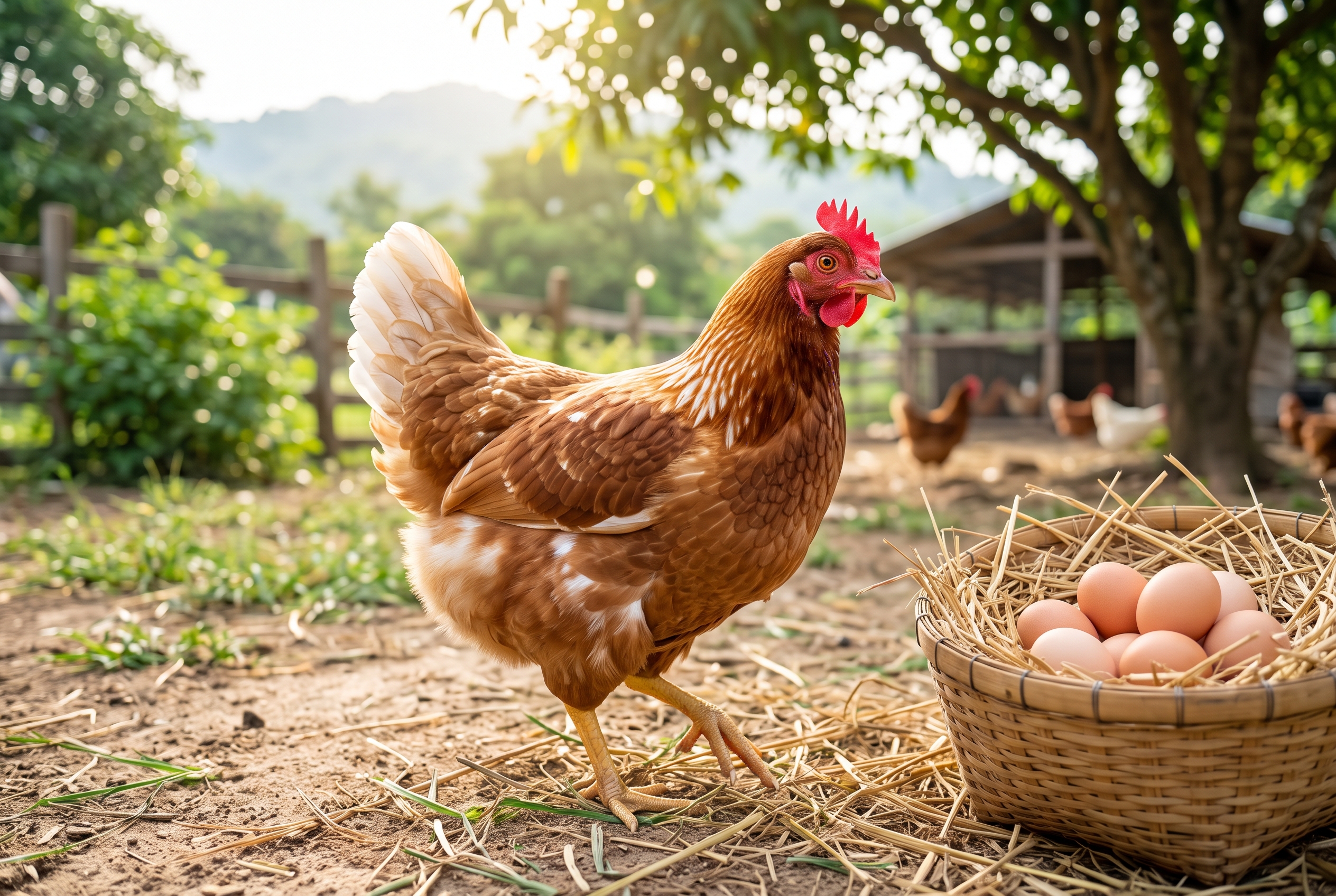
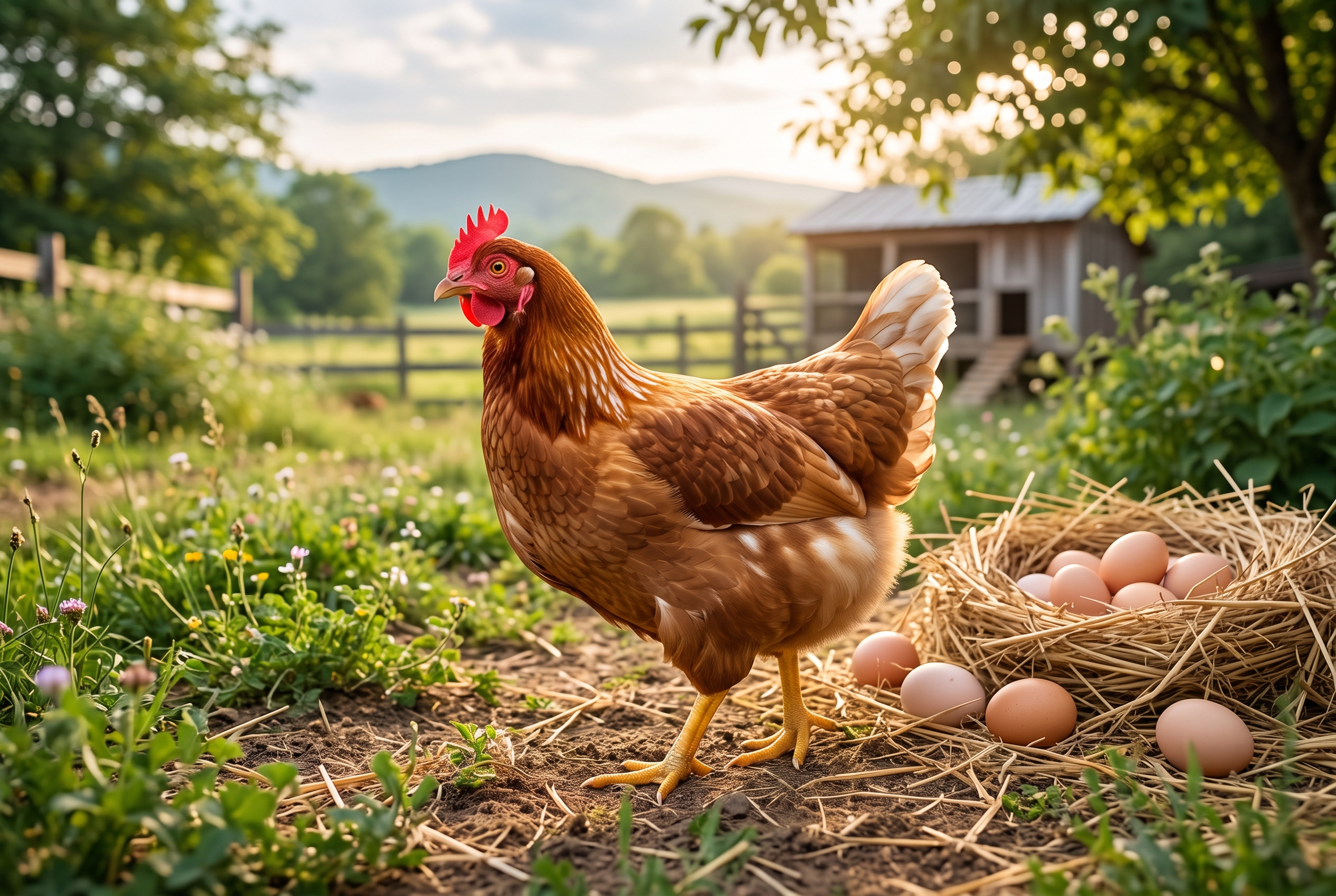
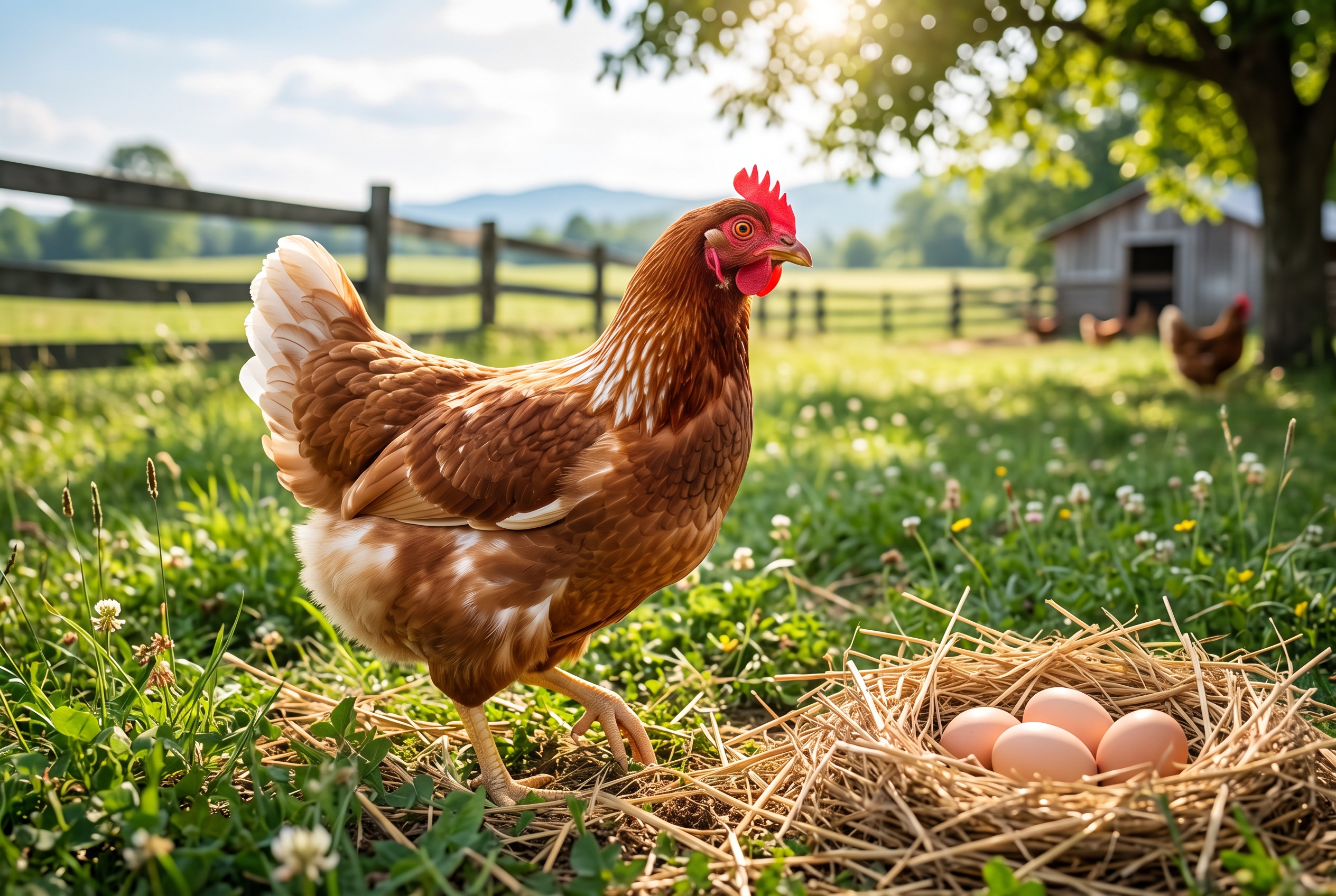
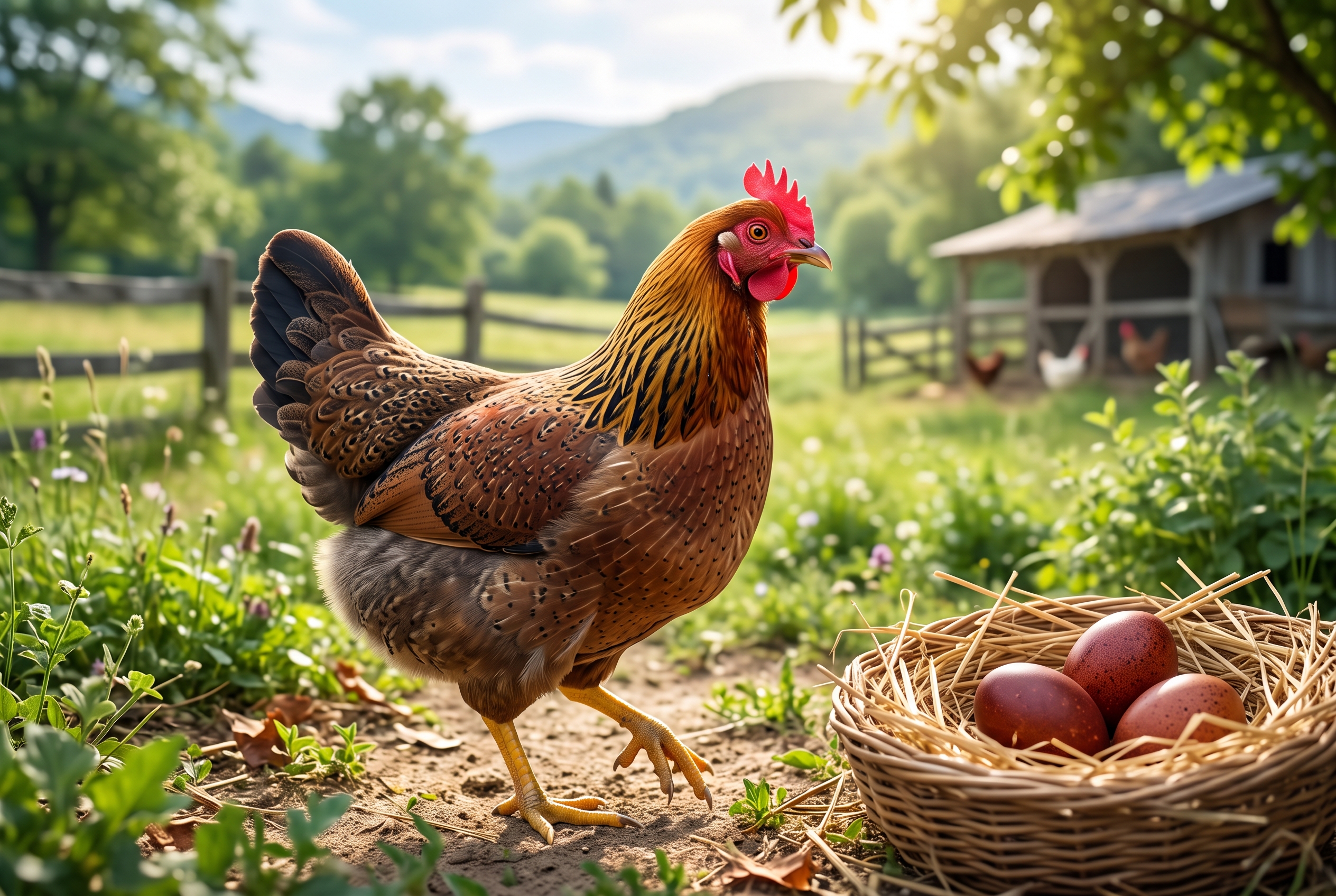
Beautiful laying chicken

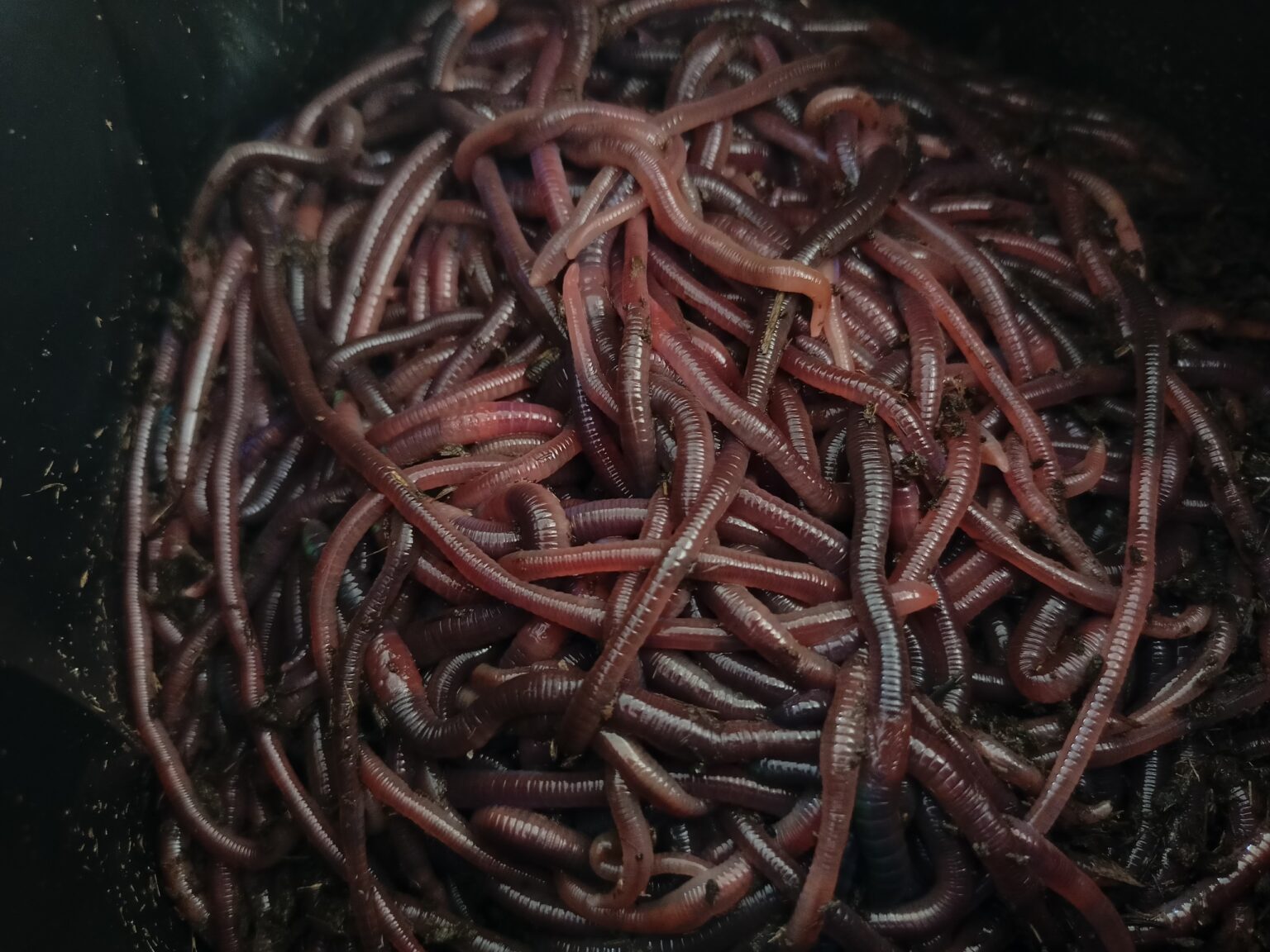
🪱 AF Earthworms & Vermicompost 🐕 Thai Ridgeback Dogs 🥚 Heritage Laying Hens
Various breeds of beautiful egg-laying chickens
🌱
มูลจันทร์ฟาร์ม จำหน่าย ไส้เดือนAF, มูลไส้เดือนแท้, สุนัขไทยหลังอาน, ไก่ไข่สวยงาม หลายสายพันธุ์ (MOONJUN FARM) 33 Moo 4, Ban Chang, Phanat Nikhom, Chonburi 20140, Thailand
Beautiful laying chicken
Quality produce We breed and sell beautiful laying hens of many breeds at affordable prices.
↗
1 / 4
← Back to Home

NEWS & ACTIVITIES

All News & Activities

All news, bidding announcements and public relations activities (39 items)

การเลี้ยงไส้เดือน
10 articles

News Category

การเลี้ยงไส้เดือน

View articles
การเลี้ยงสุนัขไทยหลังอาน
8 articles

News Category

การเลี้ยงสุนัขไทยหลังอาน

View articles
การเลี้ยงไก่ไข่สวยงาม
21 articles

News Category

การเลี้ยงไก่ไข่สวยงาม

View articles
⚡ Sort by: 🕒 Latest 🔥 Most Popular
Showing 39 articles
Colors of Thai Ridgeback dogs that are commonly raised 186

การเลี้ยงสุนัขไทยหลังอาน

Colors of Thai Ridgeback dogs that are commonly raised

according to breed standards Thai Ridgeback dogs have 4 accepted coat colors:1. Red tamarind seeds — From light red to deep red. There may be a black mask. 2. Black Completely black all over 3. Sisawat Blue-gray or silver-gray 4. Lotus petal color Pale yellow or cream with a faint pinkish tinge. Actually, there are many colors such as white, striped, and tiger striped that are seen raised in Thailand.The fur should be of a single, uniform color all over the body. A little bit of white may be found on the chest. But generally there should not be large white patches.

Read Details → 186 views
Thai Ridgeback dog, Krom color / Klom color 174

การเลี้ยงสุนัขไทยหลังอาน

Thai Ridgeback dog, Krom color / Klom color

Thai Ridgeback Dog "Sikrom" (or what some people call the color lom / black with yellow) is a dog that has a Black & Tan coat color or a four-eyed dog, which has a completely black body color. But there will be yellow or burnt brown spots above the eyes (eyebrows), mouth, chin, chest, four feet, and under the base of the tail.Important characteristics of color• Primary color: Body feathers are mostly black.• Tan: There are clear brown/yellow markings on key points such as the two eyebrows (looking like having four eyes), the cheeks, the chest, and the tips of the feet.• Rarity: This is a color tone that is quite rare in modern Thai Ridgeback breeds. Although the Dog Breed Development Association emphasizes international certification of 4 main colors (free black, reddish brown, rosa, lotus petal), the color is recorded in history and among traditional breeders.Personally, I've been raising them for about 10 years and have had them become discolored as well. according to the picture below There's very little chance.

Read Details → 174 views
Thai Ridgeback dog, tiger pattern 162

การเลี้ยงสุนัขไทยหลังอาน

Thai Ridgeback dog, tiger pattern

Tiger pattern or Brindle It is characterized by fur that has a reddish-brown, golden yellow, or light brown background. Alternating with black or dark brown streaks, similar to tiger stripes. The streaks may be frequent, thin, wide, or dark, varying in each individual, but there must still be a "saddle" which is a line of fur running back down the middle of the back. Therefore there will be important characteristics of the Thai Ridgeback.Important characteristics- is a medium sized dog Strong and muscular body- Ears set into a triangular shape, head shaped wedge-shaped.- The fur is short, smooth and close to the body.- The tail is large at the base, tapering towards the tip. Upright and slightly curved.- The saddle must be formed from hair that actually grows back, with a clear boundary in the middle of the back. and balance on both sides- Basic color and dark streaks throughout the body. Some may have distinct stripes on the body, legs, face, and tail.Genetically, the brindle pattern is related to the K locus and the CBD103 gene, causing dark fur interspersed with areas of red or yellow pigment. Research describes the general order of restraint as: Black is more prominent than tiger stripes. and tiger stripes are more prominent than yellow. However, the true color expression is also related to other color genes.

Read Details → 162 views
Orpington egg laying hens (Orpington) 197

การเลี้ยงไก่ไข่สวยงาม

Orpington egg laying hens (Orpington)

Orpington chicken (Orpington) It is a breed of chicken from England. Developed in the late 19th century by William Cook in Orpington, Kent, England, with the goal of creating a chicken that could produce both meat and eggs in one. (Dual-purpose breed)The first Orpington to be developed was the Black Orpington in 1886, crossing several breeds including Minorca, Langshan and Plymouth Rock, before other colors were developed such as Buff, White, Blue and Jubilee.Features🐔 Big, strong bodyMales weigh about 4-4.5 kg.Females weigh about 3-3.5 kg.The body is wide, the chest is deep, and the fur is dense and fluffy, making it look extraordinarily large.🥚 Give good eggsGive brown eggsProductivity is approximately 180-280 eggs per year, depending on breed and rearing.❤️ Docile and friendly temperamentGentle, easy to handleNot aggressive, suitable for beginnersGets along well with people and other animals.🌡️ Resistant to cold weather conditions well.The fur is thick, so it can withstand cold well.You should be careful of extremely hot weather. Because heat stress may occur.🥚 Mother chickens are good at raising children.Has a high instinct to hatch eggs and raise young.Suitable for those who want to breed themselves.popular colorsThe most common colors include:Buff Orpington (golden yellow) ⭐ most popularBlack OrpingtonWhite OrpingtonBlue OrpingtonLavender OrpingtonJubilee Orpingtonstrength✅ Tame, easy to raise.✅ Provide both meat and eggs.✅ Good at hatching eggs and raising young.✅ Beautiful shape Suitable for raising as beautiful animals.weakness❌ Eat more food than general laying hens.❌ Doesn't tolerate hot weather very well.❌ Thick fur must be kept clean during the rainy season.For raising in Thailand Orpington chickens, especially the Buff Orpington, are a very popular breed. Because of the docile nature Gives beautiful brown eggs and has a beautiful appearance similar to "Soft fur dolls" are suitable both for raising eggs and for raising them as beautiful animals. 🐓🥚How to raise Orpington chickens (Orpington)Orpington chickens are easy to raise, docile, and produce good eggs and meat. However, due to their large size and thick fur, Therefore, special attention must be paid to space and heat.1. GreenhouseThe house must be airy. Good ventilationThere is a roof to protect from sun and rain.The floor is dry, clean, and not damp.An area of ​​at least 0.3-0.5 square meters per animal.There is a nest and a perch raised high from the ground.2. FoodChicks (0-6 weeks)Use chick food with 20-22% protein.Keep the water clean at all times.Young chicken (6-18 weeks)Protein food 16-18%Occasionally supplement with green leafy vegetables.chicken eggsLayer chicken feed protein 16-18%Calcium supplements such as crushed seashells or rock flakes.3. Water managementChange the water every day.The water container should be clean.During hot weather, consider adding multiple watering points.4. Thermal protectionThis is because Orpingtons have thick fur. Therefore it gets hot easily in Thailand.Plant trees to provide shade.Install a ventilation fan if raising a large number of plants.avoid congestionProvide enough clean, cool water.5. Giving eggsStart laying eggs when they are about 5-7 months old.Productivity is approximately 180-250 eggs per year, depending on breed and management.Medium to large brown eggs6. HatchingOrpington hens are good at laying eggs.The incubation period is approximately 21 days.Make sure there is food and water near the hatching nest.7. Basic vaccination programNewcastle (ND)Infectious bronchitis (IB)Chicken smallpoxGamboro (IBD)A local veterinarian or livestock farmer should be consulted to determine an appropriate program.Who is it suitable for?✅ Beginners raising chickens✅ Small farms and sufficiency agriculture✅ Those who want brown eggs✅ People who like chickens that are docile and easy to raise.If raised in Thailand It is recommended to let the ferret walk in the morning or evening. and avoid the strong sun during midday It will help the orpington to be strong, grow quickly and produce eggs regularly.

Read Details → 197 views
Barred Plymouth Rock laying hens 171

การเลี้ยงไก่ไข่สวยงาม

Barred Plymouth Rock laying hens

Barred Plymouth Rock laying hensPlymouth Rock Bar It is a semi-meat, semi-egg breed of chicken. (Dual-purpose breed) that is popular around the world Because they are easy to raise, strong, durable, and produce good eggs. Suitable for small farmers and free-range farming.HistoryPlymouth Rock Chicken Bars originated in the United States. In the mid-19th century, the breed was developed from crossing several chickens such as the Dominique, Black Java, Cochin, and Brahma. It was officially recognized in 1874 and became one of the most popular breeds of chickens in America. both to produce eggs and meatBreed characteristicsShape: Large, deep and wide body, long back, full chest, hairless legs, yellow color, single crest (Single Comb).The outstanding feature is✅ The fur has black and white stripes (Barred Pattern), making it look like a zebra pattern all over the body.Average weightMale 3.8 - 4.3 kg.Mother weighs 2.7 - 3.4 kilograms.character Tame, friendly, easy to raise, good at finding food, suitable for beginners.egg productionAge of starting eggsAbout 20 - 24 weeksAnnual outputAbout 200 - 280 eggs/yearEgg characteristicslight brown barkBubble weight approximately 55 - 65 grams.Advantages of Plymouth Rock Chicken Bars✅ Resistant to weather conditions well.✅ Strong, few diseases✅ Not difficult to take care of.✅ Give eggs regularly.✅ Can be used to produce meat.✅ Better at hatching eggs and raising young than commercial egg breeds.How to raise1. GreenhouseIt should be clear and well ventilated.clean dry floorHave an area of ​​at least 0.3 - 0.4 square meters per piece.There is a perch 40 - 60 cm from the floor.2. FoodChicks (0-8 weeks)Protein food 20-22%Clean water all the timeYoung chickens (8-20 weeks)Protein 16-18%chicken eggsProtein 16-18%Calcium 3.5-4%Add crushed seashells, rock flakes, fresh vegetables and young grass.3. Light managementFor consistently good eggs, they must receive 14-16 hours of light per day. Supplementary lighting can be used during the night.4. Health careVaccination should be done according to the program such asNewcastle (ND)Infectious bronchitis (IB)Gamboro (IBD)Chicken smallpoxand must be dewormed every 3-6 monthssuitable environmentPlymouth Rock bars are suitable for free range and mixed gardens.small farmSufficiency agriculture farmBecause it's a chicken that's good at eating. Helps get rid of insects and weeds well.summarizeBarred Plymouth Rock is a semi-meat, semi-egg chicken from the United States. Its distinctive feature is its black and white striped fur. It is easy to raise, strong, disease resistant, and produces about 200-280 brown eggs per year. Suitable for new farmers. free-range farming and small farms that need both eggs and meat in one breed.

Read Details → 171 views
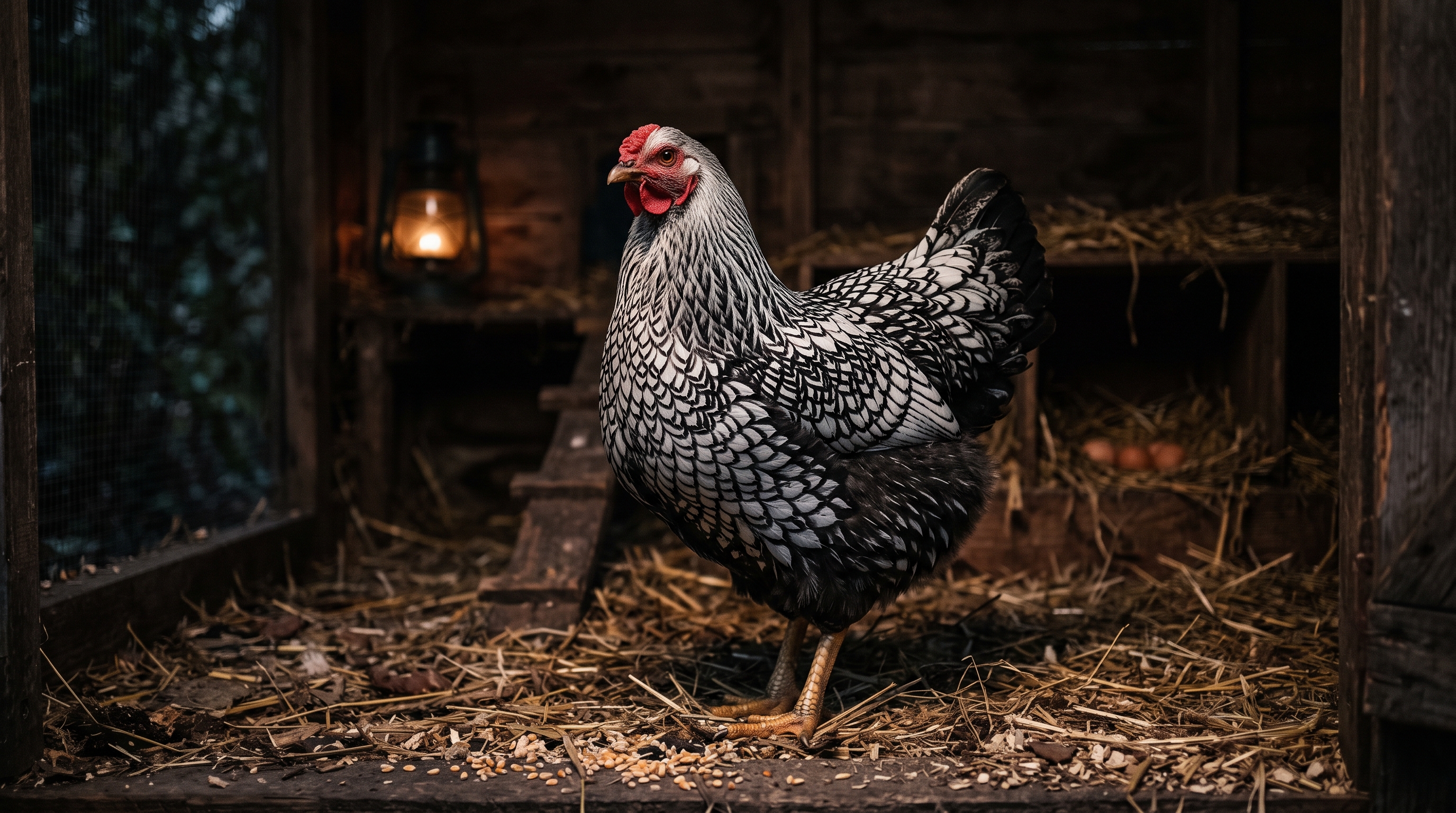
Wyandotte laying hens 238

การเลี้ยงไก่ไข่สวยงาม

Wyandotte laying hens

Wyandotte chicken (Wyandotte) It is a purebred chicken developed in the United States in the late 19th century. It is named after the Wyandot tribe of North America. They were originally bred to be broiler chickens and laying hens in one (Dual Purpose Chicken), so they have become widely popular in household farms and small-scale agriculture.Currently there are many colors such asSilver Laced (black and white border)Golden Laced (black gold border)WhiteBlackBlueColumbianBuffPartridgeDistinctive characteristics of the Viandott chickenAppearanceThe body is wide, round, and deep. The chest is large and strong. The crest is Rose Comb type. Medium-short legs, yellow color, dense, beautiful fur. Suitable for both raising beauty and producing eggs. Resistant to cold weather well. Due to the small crestweightGender: Male chicken weight: 3.5-4.0 kg.Female chicken 2.5-3.0 kg.characterTame, easy to raise, not aggressive, adapts well, suitable for beginners raising chickens. Lives well in groupsegg productionStart laying eggs when they are about 5-6 months old.Produces approximately 180-250 eggs/year.The eggs are medium to large. Egg shell is light brown to dark brown. Some hens have good incubation instincts.How to raise Viandott chickens1. GreenhouseRaising area is at least 0.3-0.4 square meters per animal.Good ventilationclean dry floorThere is a perch 40-60 cm above the floor.There is 1 egg ovary for every 4-5 hens.2. FoodChicks 0-6 weeksProtein food 20-22%Clean water all the timeChickens 6-18 weeksProtein food 16-18%Supplement with fresh vegetables and grasschicken eggsProtein food 16-18%Calcium 3.5-4%Add crushed shellfish or crushed limestone.3. Water managementThere is clean water 24 hours a day.Change the water every day.Wash containers regularly4. Health careVaccines that should be receivedNewcastle (Newcastle Disease)Infectious bronchitis (IB)GumboroChickenpox (Fowl Pox)Disease preventionClean the greenhouse regularly. Change the base material when it becomes wet. Separate sick chickens from the flock.5. Letting goWiendot chickens are suitable for free range systems.strengthReduce food costs They receive natural insects and grass. The chickens are strong and the eggs are of good quality.There should be at least 2-4 square meters of space per animal.Advantages of Kai Viandott✅ Fairly abundant eggs, 180-250 eggs/year.✅ Large size, can be used as a broiler.✅ Tame, easy to raise.✅ Resistant to disease and weather well.✅ Beautiful colors, suitable for raising beautiful animals.✅ Some hens are good at hatching eggs and raising young.Limitations❌ Gives fewer eggs than commercial laying hens such as Highline Brown or ISA Brown.❌ Grows more slowly than industrial broilers.❌ If the weather is very hot, there should be shade and enough water. Because the fur is quite thicksummarizeWiendot chickens are dual-purpose chickens that are ideal for small farmers and backyard farmers. It gives approximately 180-250 brown eggs per year. It has a docile temperament, is strong, easy to care for, and has beautiful colors, especially the Silver Laced line, which is the most popular color around the world. Suitable for raising for egg consumption, breeding and raising beautiful chickens.

Read Details → 238 views
Australorp laying hens 223

การเลี้ยงไก่ไข่สวยงาม

Australorp laying hens

Laying chicken breed Australorp (Australorp) It is a chicken that is easy to raise, strong, resistant to disease, and produces prolific eggs, suitable for both household and small commercial raising.Distinctive characteristics of Australorp chickensThe fur is shiny black and green.Grows fast and strongDocile temperament, easy to raiseStart laying eggs around 5-6 months of age.Make eggs light brown to dark brown.Productivity is approximately 250-300 eggs/year when well taken care of.How to raise Australorp chickens1. Preparing the greenhouse10-15 chicks take up approximately 2-3 square meters of space.One adult chicken occupies at least 0.3-0.5 square meters of space.houseGood ventilationCan protect from rain and sun.There is a net to protect against dogs, snakes and pests.PerchHeight from the floor 50-80 cm.Use wood width 4-5 cm.2. FeedingNewborn chicks - 6 weeksProtein food 20-22%You can eat it all day long.Clean water all the timeAge 6-18 weeksChicken feed, protein 16-18%Eggs begin to rise.Layer chicken feed, protein 16-18%Contains 3.5-4% calciumnatural dietary supplementsyoung grasswater spinachgourdRipe bananaground cornsoybean meal3. Water managementThe water must be clean at all times.Change the water every day.In summer, add a water container.One laying chicken consumes approximately 250-500 ml of water/day.4. LightingWhen you want the eggs to be uniformTotal light 14-16 hours per day.Additional lights can be turned on during the early morning or late evening.5. Health careVaccines that should be takenNewcastleInfectious bronchitis (IB)Chicken smallpoxCholera (in high-risk areas)Disease preventionClean the greenhouse every week.Change floor coverings when they are damp.Isolate sick chickens immediately.6. Egg collectionCollect 2-3 times a day.1 nest for 4-5 chickensSupport dry straw or rice husksTechniques for adding eggsFeed good quality egg laying chickens.Add crushed shellfish or crushed limestone.Reduce stress from loud noises and chasing dogs.There is space to ferret out.Control parasites every 3-6 months.

Read Details → 223 views
White Leghorn laying hens 196

การเลี้ยงไก่ไข่สวยงาม

White Leghorn laying hens

White Leghorn laying hensHistoryWhite Leghorn chickens are egg-laying chickens that originate from Italy. The name "Leghorn" comes from the port city of Livorno, which was the source of exports of this breed of chicken to the United States in the 19th century. After that, the breed was developed to have high egg-laying efficiency. It has become one of the most important commercial laying chicken breeds in the world.FeaturesPure white fur all over. Single bright red crest, large size, white earlobes, yellow bill, yellow legs, strong, slender, compact body.Males weigh about 2.4-2.7 kilograms.Females weigh about 1.8-2.3 kilograms.They are alert, agile, and good at eating.ability to produce eggs Start giving eggs at about 18-20 weeks of age, giving eggs with white shells.The average production is 250-320 eggs per year. Some improved breeds can produce more than 300 eggs per year. The average egg weight is 55-65 grams per egg.strength✅ Gives a lot of eggs. ✅ Use less food compared to the amount of eggs produced. ✅ Grows quickly and enters the egg-laying stage quickly. ✅ Resistant to hot weather conditions well. ✅ Suitable for commercial farming.weakness❌ Not having much instinct to incubate eggs ❌ Quite easily startled ❌ Raising them as broiler chickens is not worth it. due to small sizeHow to raise1. GreenhouseGood ventilationProtection from rain and sunThe floor is dry, not damp.There is an area of ​​approximately 3-4 pieces per square meter.2. FoodChicks (0-8 weeks)Protein 20-22%Feed ready-made chicksClean water all the timeYoung chicken (8-18 weeks)Protein 16-18%Control your weight so you don't get too fat.Laying hens (18 weeks and up)Protein 16-18%Calcium 3.5-4%Add crushed shellfish or limestone.3. Light managementLaying hens need 14-16 hours of light per day.Use a light bulb during the night to stimulate egg production.4. Health and vaccinesVaccination should be done according to the program such asNewcastle (ND)Infectious bronchitis (IB)Gamboro (IBD)Chicken smallpox5. Egg collectionCollect 2-3 times a day.Keep your ovaries clean.Sort out broken or misshapen eggs.summarizeWhite Lekhorn chickens are one of the most productive egg-laying chicken breeds in the world. Its distinctive feature is that it produces many white-shelled eggs, uses little food, grows quickly, and is suitable for both commercial farming and small farms. If you take proper care of food, lighting and health. Will be able to produce more than 280-300 eggs per year continuously.

Read Details → 196 views
How to raise beautiful laying hens and manage the house 175

การเลี้ยงไก่ไข่สวยงาม

How to raise beautiful laying hens and manage the house

Principles of raising beautiful, healthy, and prolific eggs. Raising beautiful laying hens provides both enjoyment and quality egg production. It requires proper management of 4 main factors: Construction of greenhouses and nest boxes: The greenhouse should be airy. The air is well ventilated, not stuffy, there is enough natural light. and have a clean, dark, calm nest, and cover it with clean, dry straw or rice husks.Food and drinking water: Laying hens need approximately 16-18% protein and the mineral calcium. (ground shellfish) to create strong egg shells Drinking water must be clean and available at all times.Hygiene and disease prevention: Clean the pen and change the bedding regularly. spray disinfectant and vaccinate according to the programFree Range / Pasture: Helps chickens feel good, receive sunlight, and scavenge for natural food. Reduce stress and make egg yolks have a beautiful, natural color.

Read Details → 175 views
Disease and treatment Protection in laying hens 154

การเลี้ยงไก่ไข่สวยงาม

Disease and treatment Protection in laying hens

Common diseases in laying hens Prevention is better than cure, vaccinating and inspecting chickens every day, so that we can separate them from the general population as quickly as possible and treat them quickly.Newcastle DiseaseCause: VirusSymptoms: difficulty breathing, head shaking, paralysis, walking in circles, stopping laying eggs.Prevention: Vaccination, quarantine of new animals, control of entry and exit of the farm.Infectious Bronchitis (IB)Cause: CoronavirusSymptoms: Difficulty breathing, runny nose, abnormally shaped eggs.Prevention: vaccination, control of air in the house.Cholera (Fowl Cholera)Cause: Pasteurella multocida bacteriaSymptoms: High fever, loss of appetite, diarrhea, dark green crest.Prevention: Vaccination, control of vectors such as rats and birds.Avian Influenza (Avian Influenza)Cause: VirusSymptoms: severe illness, early death, stops laying eggs.Protection: strict biosafety system, disinfection, quarantineMarek's DiseaseCause: Herpes virusSymptoms: paralysis, eye color change, weight lossPrevention: Vaccinate chicks, maintain cleanliness.Swollen face of the common cold (Infectious Coryza)Cause: Bacteria Avibacterium paragallinarumSymptoms: swollen face, puffy eyes, runny nose, decreased ovulationPrevention: Isolate sick chickens, control humidity, give antibiotics according to veterinarians.Overall disease prevention guidelinesVaccinate according to the program regularlyControl environment such as temperature 18–28°C, humidity 60–70%.Clean the greenhouse and equipmentCheck chicken health regularlySupplement foods and vitamins such as A, D, E, C, zinc, selenium.

Read Details → 154 views
Start raising earthworms What do you need to know? 100

การเลี้ยงไส้เดือน

Start raising earthworms What do you need to know?

I would like to say it according to what I have tried to raise. I first started raising earthworms at the end of 2013. At that time, raising earthworms was not that popular. This made it quite difficult to find earthworms, but we were able to find 1 kilogram. The price at that time was almost 2,000 baht per kilo.The first time they were raised in a basin, they drilled holes and then stacked them in 4 basins. The first night passed and they began to see droppings. At that time, cow dung was used. Buffalo dung in the neighborhood which usually has a lot of soil mixed in I observed that the earthworms ate and gave droppings, but they did not grow much. Later, I studied more: I had to use cow dung, which in my area is hard to find, no one raises it, and it's expensive to find. When I found it, I brought it to try and care for it. Note that the difference is Earthworms eat quickly. and has a larger size It was different from the first time, so we used cow dung as the main raw material. In the production of vermicompost, simply put, we give it to earthworms. Dig the cow dung again. which after going through the process of eating and excreting the earthworms It will cause more microorganisms than the original cow dung. It has good nutrients that vegetable plants need.After getting milk from cow dung The capital must go into purchasing another basin. Now I think about what to do so that we don't have to invest more. So I ended up raising it on the cement floor. By using cow's excrement to milk Pile on the floor and release It appeared that the results were no different from raising basins.The advantages of raising fish in a basin are: Able to use space effectively because we can make basin shelves and stack them on multiple levels. But that means we always have to buy more basins if our earthworms expand.The advantage of raising cement floors is that they are easy to take care of. You can scoop them into the glider right away. Convenient to spray water But the disadvantage is that we use more space. Because they cannot be stacked together.Choose what is convenient for you. and suitable for the areaAt present, the farm does not soak cow dung. Using dry cow dung poured on the ground. Then use water injection to make the cow dung soft. Soak up as much water as possible for about 2 days, then release the earthworms in, meaning it saves soaking time. Save water for soaking. But it still has the same good results.The main food for earthworms is the excrement of all herbivorous animals. You can use it all or it can be vegetable scraps from the household. that has no sour taste Can put water in Earthworms will not eat fresh food and must wait for it to decay before the earthworms can come up and decompose the scraps of vegetables and fruits.Earthworms cannot get rid of food scraps. Absolutely do not add leftover rice. Because earthworms don't eat, they will cause various worms and bad smells.

Read Details → 100 views
What do earthworms eat? 125

การเลี้ยงไส้เดือน

What do earthworms eat?

Vegetable/fruit scrapsFruit and vegetable peels (banana, watermelon, papaya, etc.)Vegetable scraps from households such as cabbage, turnips, corngreen plant scraps (but must not be putrid)Decomposed animal manureDried cow manure already fermented → Most popularChicken manure, pig manure, goat manure(Should be fermented for at least 15–30 days before use)If there is a strong ammonia smell → earthworms can die.dry leavesLeaves that have been fermented or composted with animal manure.It is a source of food and helps retain moisture.Coffee grounds/ground egg shellsCoffee grounds are high in nitrogen, which earthworms love.Crushed egg shells help increase calcium.

Read Details → 125 views
Know the species of earthworms that are popular to raise. 197

การเลี้ยงไส้เดือน

Know the species of earthworms that are popular to raise.

1. African Night Crawler breed African Night Crawler or what we call AFLarge, up to 10-15 cm long.They are good at eating food and produce large amounts of fertilizer.Adapts well to hot and humid conditions.Produce good quality fertilizer suitable for agriculture2. Tiger species Tiger Worm– is a very popular breed– Small size, breeds quickly– Likes to eat organic matter that is decomposing– Resistant to the environment well3. European Nightcrawler Breed– It is a breed that produces good fertilizer and is suitable for raising as animal feed.– Bigger than Tiger but smaller than AF.– Grows more slowly than other varieties4. Pheretima species– Found everywhere in nature in Thailand– Can help improve the soil well– Not suitable for farming to produce large quantities of fertilizer.

Read Details → 197 views
Benefits of earthworms 118

การเลี้ยงไส้เดือน

Benefits of earthworms

1. Improve soil qualityEarthworms help till the soil. Make the soil structure airy Air ventilates and water permeates well. As well as excreting feces that are rich in key nutrients such as nitrogen, phosphorus, and potassium.2. Produce vermicompost (Vermicompost)100% pure organic fertilizer, safe for the environment. Accelerates the growth of the root and trunk systems, increases yield and reduces dependence on chemicals.3. Helps decompose organic matter and organic waste.Earthworms help remove vegetable, fruit and leaf scraps, helping to reduce the amount of organic waste in households and farms. Promote natural circulation system4. It is a good source of protein for animal feed.Earthworms are high in protein and amino acids. It is commonly used as a dietary supplement for fish, frogs, birds, chickens and pets.5. Maintain ecological balanceIt is an important food chain in nature and helps create beneficial microorganisms in the soil.

Read Details → 118 views
How to raise earthworms 195

การเลี้ยงไส้เดือน

How to raise earthworms

I would like to say it according to what I have tried to raise. I first started raising earthworms at the end of 2013. At that time, raising earthworms was not that popular. This made it quite difficult to find earthworms, but we were able to find 1 kilogram. The price at that time was almost 2,000 baht per kilo.The first time was raised in a basin. Drill holes and place them on top of each other in 4 basins. The first night passes and you start to see droppings. At that time, cow dung was used. Buffalo dung in the neighborhood which usually has a lot of soil mixed in I observed that the earthworms ate and gave droppings, but they did not grow much. Later, I studied more: I had to use cow dung, which in my area is hard to find, no one raises it, and it's expensive to find. When I found it, I brought it to try and care for it. Note that the difference is Earthworms eat quickly. and has a larger size It was different from the first time, so we used cow dung as the main raw material. In the production of vermicompost, simply put, we give it to earthworms. Dig the cow dung again. which after going through the process of eating and excreting the earthworms It will cause more microorganisms than the original cow dung. It has good nutrients that vegetable plants need.After getting milk from cow dung The capital must go into purchasing another basin. Now I think about what to do so that we don't have to invest more. So I ended up raising it on the cement floor. By using cow's excrement to milk Pile on the floor and release It appeared that the results were no different from raising basins.The advantages of raising fish in a basin are: Able to use space effectively because we can make basin shelves and stack them on multiple levels. But that means we always have to buy more basins if our earthworms expand.The advantages of raising cement floors are: Easy to take care of, just glide and scoop it into the glider right away. Convenient to spray water But the disadvantage is that we use more space. Because they cannot be stacked together.Choose what is convenient for you. and suitable for the areaAt present, the farm does not soak cow dung. Using dry cow dung poured on the ground. Then use water injection to make the cow dung soft. Soak up as much water as possible for about 2 days, then release the earthworms in, meaning it saves soaking time. Save water for soaking. But it still has the same good results.The main food for earthworms is the excrement of all herbivorous animals. You can use it all or it can be vegetable scraps from the household. that has no sour taste Can put water in Earthworms will not eat fresh food and must wait for it to decay before the earthworms can come up and decompose the scraps of vegetables and fruits.Earthworms cannot get rid of food scraps. Absolutely do not add leftover rice. Because earthworms don't eat, they will cause various worms and bad smells.

Read Details → 195 views
Earthworm enemies 174

การเลี้ยงไส้เดือน

Earthworm enemies

1. Planaria terrestrial plant This one is the most dangerous. Because it hunts earthworms for food. If seen in the pond, it should be removed and destroyed immediately. 2. Hammerhead Worm It looks like an earthworm but has a flat, hammer-shaped head. Yellow-brown with a black line running down the middle of the body. Eat earthworms as food If found in the farm area, it should be disposed of. 3. Ants and termites Ants will infest and bite the earthworm. Especially when the area is too dry. Protect by casting water on the greenhouse stand. 4. Chameleons, birds, and rats These insectivores will come and scavenge for earthworms. You should use a net or sash to completely cover the container.

Read Details → 174 views
Life cycle of earthworms 140

การเลี้ยงไส้เดือน

Life cycle of earthworms

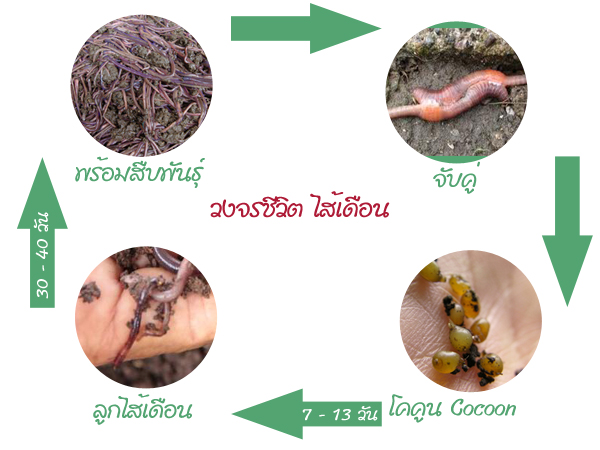
Life cycle of earthwormsMating of earthwormsEarthworms normally mate during the night when two earthworms mate by using their abdomen sides together and alternating heads and tails. The male reproductive organ is attached to the The spermatic cord of the other The reproductive button and the mucus around the clitoris hold each other together. Sperm from the male reproductive tract is carried into the sperm sac. Pairing takes approximately 1 hour to separate.When earthworms separate for about 2-3 days, there will be changes in the clitoral area. To create the egg sac (Cocoon), the mucous gland creates mucus covering the clitoral area and the cocoon secreting gland creates the cocoon's shell. which is a substance similar to chitin This substance hardens when exposed to air and becomes a sticky sheet. Later, the albumin secreting gland secretes albumin into the cocoon's shell.which has the female reproductive cavity at the clitoris The eggs will be released into the cocoon. After that, the cocoon will separate from the earthworm's body wall like a loose casing. When the earthworm shrinks and moves backward The cocoon moves forward. When moving through the opening of the sperm storage bag It will receive sperm into the cocoon. And there is fertilization inside the cocoon. When the cocoon escapes from the earthworm's body, the two ends of the cocoon shrink and close completely. It is an oval sac with a light yellow color, approximately 2-2.4 mm long and 1.2-2 mm wide. Each egg sac takes 8-10 weeks to hatch. Generally there will be 1-3 eggs, depending on the species. Some types of earthworms may have as many as 60 eggs. The earthworm larvae inside the eggs will grow and develop in various parts of the body. by using the nutrients contained within the egg sac While the embryo grows and develops in the egg sac, The walls of the egg sac will also change color. The egg sac that is newly released will have a faint color and as time passes the color of the egg sac will become darker accordingly. and will hatch at a later time

Read Details → 140 views
Nutrients in vermicompost 105

การเลี้ยงไส้เดือน

Nutrients in vermicompost

Nutrients in vermicompost Before talking about the amount of nutrients in vermicompost. Let's understand how each nutrient is important for plant growth. And if plants lack each type of nutrient What symptoms will the plant have? And how will it affect growth? (The following information comes from Virginia Tech's publication on hydroponic plants.)Nitrogen – The whole plant will be light green. The underside of the leaves are yellow. The plant will stop growing.Phosphorus(Phosphorous)– The entire plant is bluish-green. Most develop red or purple. The underside of the leaves may be yellow. and will dry to a greenish-brown color and then to black. The plant will stop growing.Potassium(Potassium)– The leaves are thin like paper. Along the edges of the leaves will dry up and die. The plant will stop growing.Magnesium(Magnesium)– The underside of the leaves will turn yellow. The top and edge of the leaves and between the leaf veins The underside of the leaves will wilt.Calcium - Flower stalks and young leaves will die.Zinc(Zinc)– The leaf tissue between the leaf veins is lighter in color. then change to yellow It is thin like a sheet of paper.Iron – The leaf pulp turns yellow while the leaf stem remains green.Copper(Copper)– The edges of the leaves are dark green or bluish. The edges of the leaves are bent upwards. Young leaves will permanently wither.Sulfur(Sulfur)– Young leaves turn pale green. while the old leaves are still green The plant stops growing and grows tall.Manganese(Manganese)– The plant stops growing. The underside of the leaves has alternating yellow and green stripes.Molybdenum(Molybdenum)– The leaves will stop growing. will turn pale green and malformedBoron(Boron)– Young leaves will be dry and scorched at the leaf tips and leaf margins.Molybdenum(Molybdenum)– The leaves will stop growing. will turn pale green and malformedBoron(Boron)– Young leaves will be dry and scorched at the leaf tips and leaf margins.Now we can guess why vermicompost is so good for growing crops. The answer is that vermicompost contains all the nutrients mentioned above. There will be more, some less, some not equal. And plants also require different amounts of these nutrients as well. Take the element molybdenum, for example. which is responsible for converting nitrate compounds into amino acids Molybdenum is a mineral (component of plant protein) which plants need more than once. But if given too much, it will be toxic to plants.This is because the nutrients in vermicompost depend on the method of raising and feeding the earthworms. Vermicompost from different farming methods will provide different nutrients. To provide brief information Vermicompost contains nutrients and minerals in the following proportions.– Organic carbon 20.43-30.31%-Nitrogen 1.80-2.05%– Phosphorus 1.32-1.93%– Potassium 1.28-1.50%– Carbon to nitrogen 14-15:1 %– Calcium 3.0-4.5%– Magnesium 0.4-0.7%– Sodium 0.02-0.30%– Sulfur detected up to 0.40%– Iron 0.3-0.7%– Zinc 0.028-0.036%– Manganese detected up to 0.40%.– Copper 0.0027-0.0123%– Boron 0.0034-0.0075%– Aluminum detected up to 0.071%.– Cobalt and MolybdenumFrom the numbers of nutrients in vermicompost above. If compared with that contained in general cultivation soil, it will be found that there is only less iron in vermicompost than in general cultivation soil. As for aluminum and magnesium They will be in similar quantities. In addition, other nutrients in vermicompost are much more abundant than in general cultivation soil, such as nitrates. In vermicompost, there are 9 times more than in general cultivation soil. The presence of quite a lot of mineral compounds in vermicompost makes it an electrical conductor. Higher than general cultivation soil Although worm castings do not burn plants like chemical fertilizers, But if you use a lot at one time, it will cause the plants to stop growing as well.From studying the appropriate ratio of vermicompost to cultivation soil. The researchers experimented with growing crops with different ratios of vermicompost and soil. It was found that the ratio of vermicompost to soil that gave the plants the best growth was Use 25% vermicompost mixed with 75% soil, but how? Just adding 10% of vermicompost to the soil will cause plants to grow significantly better than soil without adding it. But if vermicompost is added up to 40%, it will affect the growth of plants. And it will look worse than soil without adding vermicompost.Source of information: From the article on Chemical side of worm casting of the website www.worldofworms.com

Read Details → 105 views
Tiger earthworm 101

การเลี้ยงไส้เดือน

Tiger earthworm

Tiger worm (The Tiger worm, Manure worm, Compost worm)It is a red earthworm with a small, round body. The body is bright red. See each segment clearly divided. Can multiply quickly and has a strong body odor. It has the following general characteristics:– The body has a size of 35-130 x 3-5 millimeters.– The body is red. The body between the segments and the area at the tip of the tail is yellow.– Lives 4-5 years, but usually lives 1-2 years when raised in a pond.– Reproduce by means of sex– Generates an average of 150-198 egg bags/bird/year.– Can produce approximately 900 eggs/bird/year– It takes approximately 32-40 days to hatch (depending on the season), with an average of 3 eggs/egg bag.– It takes 3-6 months to grow to full size (depending on the season).– Lives on the surface of the soil Eats decomposed organic matter and small particles.European countries, America and Australia It is popular to use this species of earthworms or a similar species, the Eisenai Andrei species (not mentioned here) to be used in the disposal of organic waste and in the process of producing vermicompost. It is a commercial variety that is popular throughout the world. There are several reasons why vermicompost producers choose this species: This species of earthworm is commonly found in areas with organic waste. They will multiply and grow in the piles of organic waste. It is a variety that is tolerant of a wide temperature range. and can survive in organic waste with various levels of humidity Overall, this is a species of earthworm that is very resistant to adverse environmental conditions. Makes it easy to raise

Read Details → 101 views
Earthworm AF 107

การเลี้ยงไส้เดือน

Earthworm AF

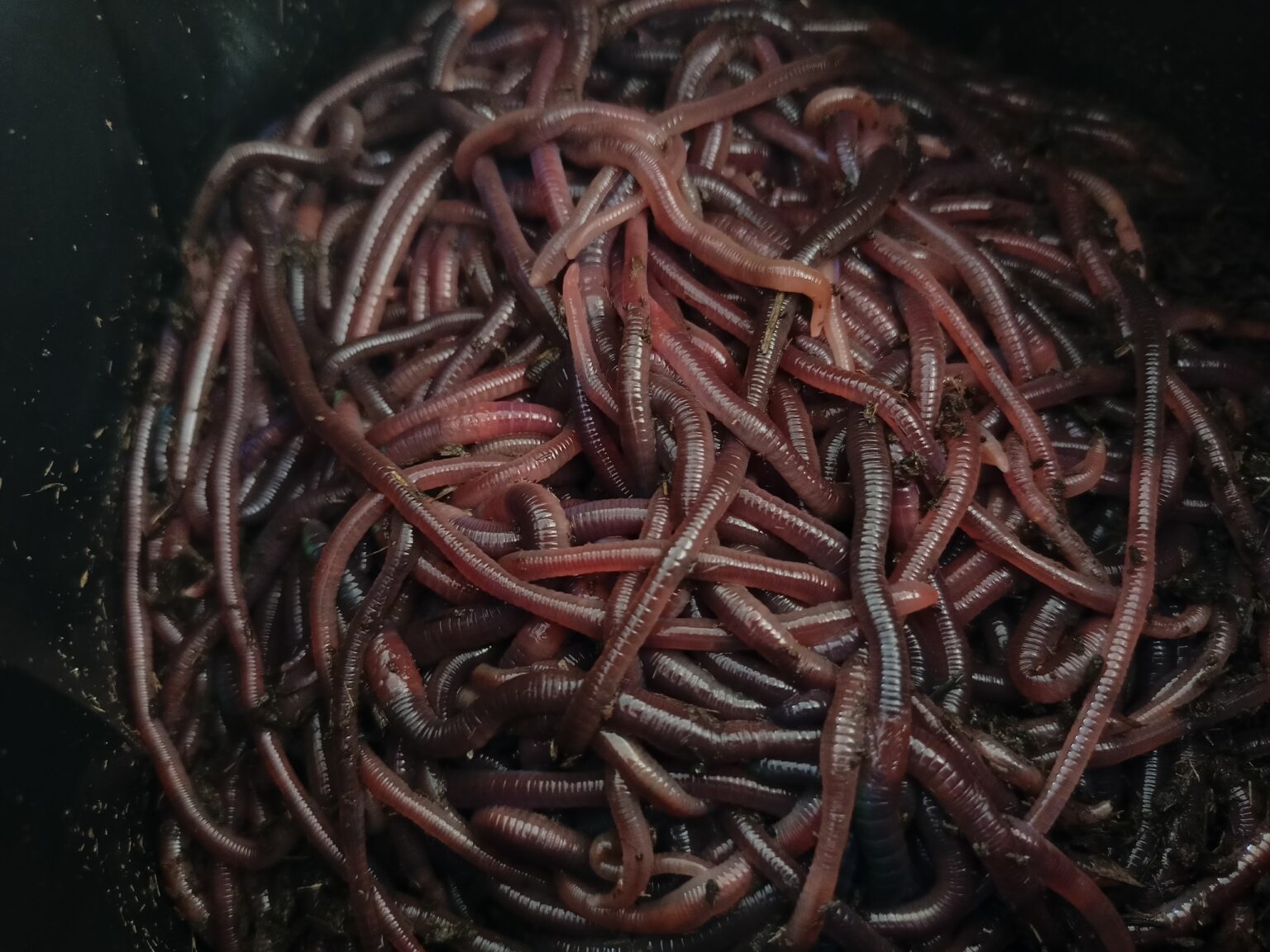
Earthworm species AF (African Night Crawler)Earthworm AF is popular for Raising earthworms to produce fertilizer Due to the habit of earthworms being good at eating. and provides quite good vermicompost They also breed quickly and are quite large. Sorting is therefore easier than other species.General characteristics– The body has a size of 130-250 x 5-8 millimeters.– The body is reddish-brown mixed with grey.– Reproduce by means of sex– Mating pairs underground– Can create an average of 162-188 egg bags/bird/year.– It takes approximately 13-27 days to hatch, with an average of 2 eggs hatching/egg bag.– Takes 6-10 months to grow to full maturity.– Lives on the surface of the soil Eat decomposed organic matter as food.– Has a long life of 4-5 yearsThis species of earthworm is a red earthworm that is quite large. Grows and reproduces very quickly. Generally known as the African night crawler, it can move quickly. This species of earthworm is widely raised. In addition to being used in the production of vermicompost, this species of earthworm is also very suitable for producing protein supplements for use in animal feed. Because they are large and have a very high rate of reproduction. But there are disadvantages that this species of earthworm has a low tolerance to inappropriate temperature ranges, is difficult to raise, and difficult to harvest. This is because this species of earthworm is native to the tropics. which likes relatively high temperatures They will not grow well in temperatures below 10 degrees Celsius and will die in temperatures below 10 degrees Celsius. Raising this species of earthworm in cold regions is limited to being raised only in greenhouses with temperature control during winter in order to be raised well. For raising outside the greenhouse It is suitable only for tropical or sub-tropical areas. For the use of waste management, it was found that This species of earthworm has the ability to quickly decompose large quantities of waste.

Read Details → 107 views
Canine Enteritis in Dogs 189

การเลี้ยงสุนัขไทยหลังอาน

Canine Enteritis in Dogs

Canine Enteritis is a common and potentially life-threatening condition in dogs, especially puppies and unvaccinated canines, requiring prompt veterinary intervention. Common Causes Viral Infections: Canine Parvovirus (CPV) and Coronavirus. Bacterial Infections: Salmonella, E. coli, and Clostridium. Parasites: Roundworms, hookworms, and giardia. Dietary Indiscretion: Spoiled food, foreign objects, or sudden food transitions. Clinical Signs & Symptoms Persistent vomiting and severe lethargy. Foul-smelling diarrhea, frequently bloody. Loss of appetite, high fever, and extreme dehydration. Abdominal pain and bloating. Diagnosis & Treatment Fast parvo antigen rapid tests and blood panel tests. Intravenous (IV) fluid therapy to counter severe dehydration. Antibiotics to prevent secondary sepsis and antiemetics to stop vomiting. Complete vaccination is the single most effective preventive measure.

Read Details → 189 views
Breeding Thai Ridgeback Dogs 169

การเลี้ยงสุนัขไทยหลังอาน

Breeding Thai Ridgeback Dogs

Breeding Thai Ridgeback DogsBreeding exceptional Thai Ridgeback dogs requires diligent observation, proper heat cycle timing, and excellent maternal health management. 1. Heat Cycle Observation Watch for vulva swelling and vaginal discharge. The optimal mating window generally occurs between days 10 to 14 of the estrus cycle when ovulation peaks and the female is receptive. 2. Mating Methods Natural Mating: Supervised pairing in a calm, stress-free environment. Artificial Insemination (AI): Used when size disparities or long distances are present to ensure high conception rates. 3. Gestation & Delivery Gestation lasts approximately 58 to 63 days. Around day 30, signs of pregnancy such as increased appetite and teat enlargement become evident. Prepare a clean, private whelping box and assist with clearing airways and cutting umbilical cords upon delivery.

Read Details → 169 views
Thai Ridgeback Dog Characteristics 148

การเลี้ยงสุนัขไทยหลังอาน

Thai Ridgeback Dog Characteristics

Thai Ridgeback Dog is a medium-sized hound dog with athletic muscle tone, impressive agility, and an iconic ridge of hair along its back growing in reverse direction. Standard Measurements Weight: 23 – 34 kg. Height at Withers: Males 56 – 61 cm (22 – 24 in); Females 51 – 56 cm (20 – 22 in). Coat: Short, smooth, close-lying coat (super short velvet or short coat). Recognized Standard Colors Red: Rich copper red, often with black mask. Black: Solid black with glossy sheen. Blue: Silver gray to deep slate blue. Fawn: Warm sandy fawn to lotus petal tint. Key Physical Traits Triangular erect ears tilted slightly forward. Almond-shaped dark brown eyes with alert expression. Black spotted or bluish tongue; scissor bite dentition. Sword-like curved tail carried upward with confidence.

Read Details → 148 views
History of Thai Ridgeback Dogs 218

การเลี้ยงสุนัขไทยหลังอาน

History of Thai Ridgeback Dogs

The Thai Ridgeback Dog is an ancient indigenous breed recognized as Thailand’s National Dog, with an archaeological and cultural history spanning thousands of years. Origins & Traditional Roles Originating primarily in eastern Thailand (Chanthaburi, Trat, and Rayong provinces), geographical isolation preserved their pure primitive genetic lineage. Historically known as "Hunter Dogs" (Mha Phran), they guarded ox carts, hunted small game, and protected homes with fierce loyalty. Historical Documentation Prehistoric Cave Paintings: 2,000–3,000-year-old cliff art in Nakhon Ratchasima and Uthai Thani depicts prick-eared, sword-tailed dogs accompanying archery hunters. Ancient Manuscripts (Samut Khoi): 300-year-old Ayutthaya-era manuscripts describe dogs with reverse-hair ridges on their backs, renowned for supreme loyalty, bravery, and hunting prowess.

Read Details → 218 views
dog's saddle 218

การเลี้ยงสุนัขไทยหลังอาน

dog's saddle

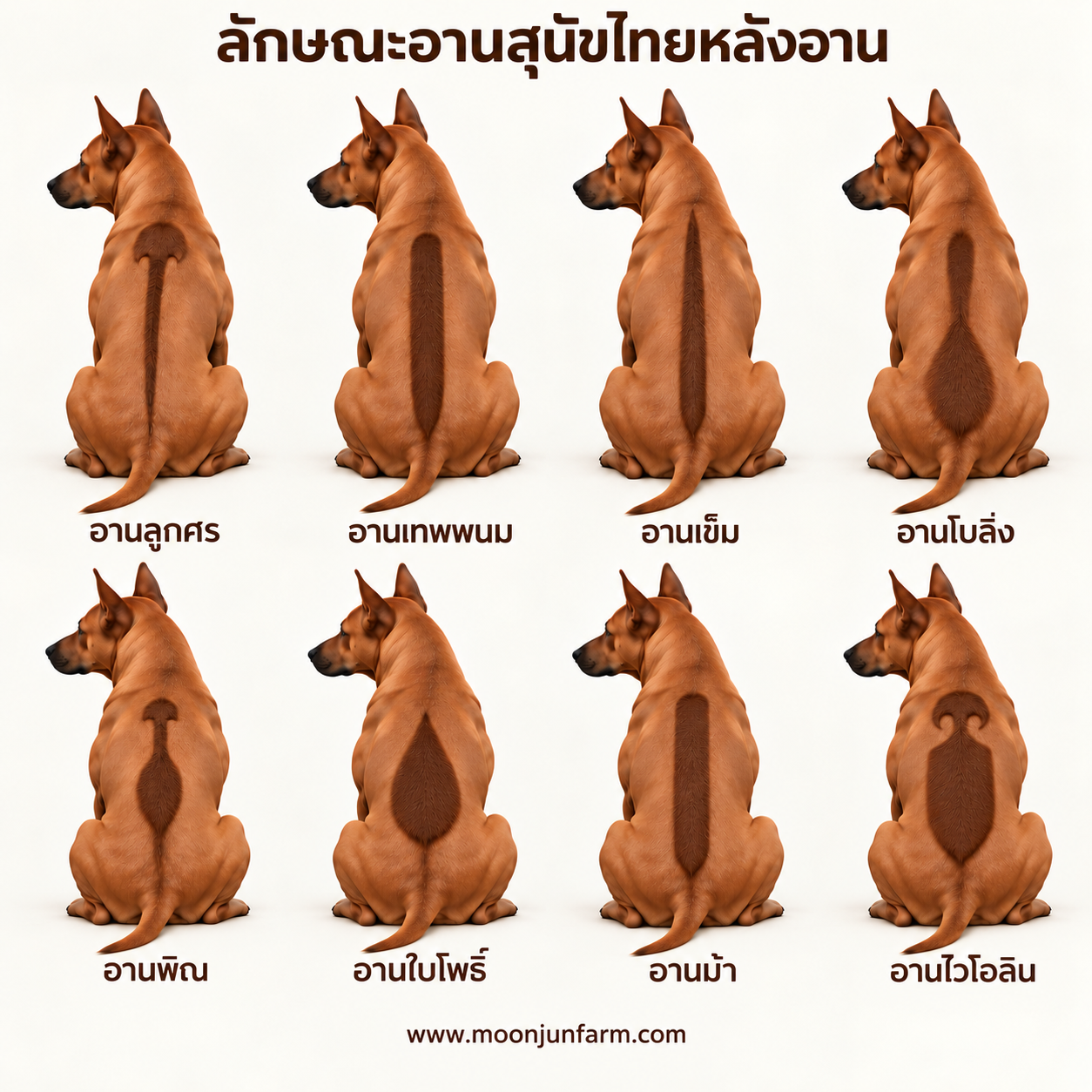
Saddle (Ridge) is the distinctive and most important identity of the Thai Ridgeback dog. It is caused by a group of hairs growing in the opposite direction to the normal hair growth on the spine. It extends from the back of the shoulders along the spine to the buttocks. Important characteristics of a good saddle according to breed standards Saddle styles found in Thai Ridgeback dogs (8 main styles) In the circle of breeders and conservation of Thai Ridgeback dogs Saddle shapes are classified into 8 popular styles: Arrow Ridge: It is shaped like an arrowhead pointing upwards towards the throat. The tip tapers down towards the hips. It is sharp and very popular.Saddle plate (Saddle Ridge): The fur is spread out in a wide area covering the middle of the back, resembling a saddle. It is a saddle with a large area.Violin Ridge: The edge of the saddle is narrow in the middle. Similar to the shape of a violin instrument. It is beautiful and delicate.Bodhi Leaf Ridge: The upper part spreads wide like a Bodhi leaf. and tapers towards the tip.Needle Ridge: The saddle has a straight, narrow shape. Across the spineFeather Ridge: The reverse feathers are arranged like the lobes of a feather.Harp Ridge (Harp Ridge): The shape is rounded and shaped like an ancient lute.Baton saddle: It has a unique shape according to the arrangement of the fur of each bloodline. Hereditary inheritance The appearance of a saddle on a dog's back is caused by an autosomal dominant gene. If the father or mother has the saddle gene (Homozygous), every puppy in the litter will have a saddle. But if it is a genetic (Heterozygous) There may be some offspring in the litter that do not have saddles. Selecting parents with perfect and symmetrical saddles is therefore of great importance for the breeder.

Read Details → 218 views
Laying chickens: Chatuchak or Sussex (Light Sussex), (Susex) 219

การเลี้ยงไก่ไข่สวยงาม

Laying chickens: Chatuchak or Sussex (Light Sussex), (Susex)

Chatchaek breed of egg-laying chickens that are popularly called in Thailand. Most refer to the Light Sussex or Sussex, which is an old breed of chicken from England. It is not a breed from the Czech Republic as Thai people call it.recordThe Sussex chicken is native to the Sussex region in the south of England.It is a breed that has been around for more than a hundred years. They were originally raised for both meat and eggs.Later, many colors were developed. The most popular color is Light Sussex, which has a white body and a black neck and tail.FeaturesWhite fur, black neck and tailEasy to grow, tolerates weather conditions well.Docile temperament, suitable for free-range raising.It is a half-meat, half-egg chicken. The body is quite large.giving eggsStart laying eggs when they are about 5-6 months old.Give the eggs a light brown to cream color.Productivity is approximately 200-250 eggs per year if given proper food and care.strengthFairly plentiful eggsYou can hatch your own babies.Easy to raise, strongCan also be raised as a beautiful chicken.Summary of how to raise Light Sussex chickensLight Chuck Shake is a semi-meat, semi-egg chicken that is easy to raise, strong and suitable for raising free range in the garden.1. GreenhouseThe floor is dry, not damp, and has good ventilation.Protects against dogs, snakes and pests.Have an area of ​​at least 0.3-0.5 square meters per piece.Provide adequate perches and nesting boxes.2. FoodChicks 0-8 weeksUse chick food with 20-22% protein.Keep the water clean at all times.Chickens 8-20 weeks oldProtein food 16-18%Can be supplemented with vegetables, grass and insects.Laying hens 20 weeks and upLayer chicken feed protein 16-18%Supplement calcium from crushed seashells or limestone. To make the egg shell strong3. Health careDo vaccinations according to the program, such as Newcastle and chickenpox.Change the water every day.Clean the greenhouse regularly.Separate sick chickens from the flock immediately.4. Giving eggsStart laying eggs when they are about 5-6 months old.Give the eggs a light brown color.Average production is 200-250 eggs/year when given proper food and care.5. Techniques for prolific egg productionFeed on timeTurn on additional lights at night to receive a total of 14-16 hours of light per day.Reduce stress from loud noises or frequent moving of pens.There is clean water at all times.Advantages of Light ShakeEasy to raise, disease resistantGood eggs, fairly plentiful eggsYou can hatch your own babies.Delicious meat, big sizeSuitable for raising in gardens or small farms.

Read Details → 219 views
Chicken eggs with strange colors 207

การเลี้ยงไก่ไข่สวยงาม

Chicken eggs with strange colors

🩵 Blue eggs/blue-green1. Ameraucana (Ameraucana)bright blue eggsIt is a breed from the United States.The temperament is quite docile.Gives about 180-250 eggs/year.2. AraucanaOrigin from ChileBlue or greenish eggsA distinctive feature is that some do not have tails.Gives 150-250 eggs/year.3. Easter EggerIt is a hybrid from the Araucana or Ameraucana bloodline.Each egg may be released.light bluegreenolive greenlight pinkIt's called "Easter Chicken" because its eggs come in many different colors.🫒 Olive Egg (Olive Egg)4. (Olive Egger)A hybrid between Ameraucana/Araucana × MaransGives eggs a dark olive green color.It is a popular breed in colored egg farms.🍫 Very dark brown eggs.5. Marans (Marans)French origindark chocolate brown eggsSome bubbles are so dark that they are almost black.Productivity is approximately 150-220 eggs/year.🌸 Light pink eggs6. Barnevelder (Barnevelder)Eggs may be pinkish-brown in color.Some bloodlines give a beautiful dark egg color.7. Some Easter Egger bloodlinesCan give pink or creamy pink eggs.🌈 Breeds for multi-colored egg farmsIf you want to keep eggs of many colors in one coop. Suggestions for raising a group:White Leghorn → egg whiteAmeraucana → Khai FaOlive Egger → Olive Green EggsMarans → Chocolate eggsRhode Island Red → Brown EggsYou will get a "rainbow egg basket" like this.🥚 white 🥚 Blue 🥚 green 🥚 Olives 🥚 Chocolate 🥚 Light brownfor Thailand If they are easy to find and are most popular to raise in the group of strange colored eggs, they are: Ameraucana, Easter Egger, Olive Egger and Marans Because it can withstand hot weather conditions quite well. And the selling price of eggs is higher than normal eggs.

Read Details → 207 views
Ameraucana laying hens 222

การเลี้ยงไก่ไข่สวยงาม

Ameraucana laying hens

Ameraucana chicken breed (Ameraucana) It is a chicken breed that was developed in the United States. It originates from the Araucana chicken breed of Chile. The highlight is that it gives blue eggs. American breeders have selected and bred chickens that are standardized, strong and produce consistently blue eggs.The American Poultry Association recognized the Ameraucana as a standard breed in 1984. Today it is one of the most popular colored egg laying breeds around the world.Breed characteristicsMedium size, broad, strong body, relatively straight back, broad chest, head with a pea crest (Pea Comb).Has a beard and sideburns around the face (Muffs & Beard). Red-brown eyes.Fur colorThere are many colors such asBlackBlue (Blue)WhiteBuff color (Buff)Silver (Silver)Wheat color (Wheaten)Brown Red (Brown Red)weightMale 3.0-3.5 kg.Female 2.2-2.7 kg.Features✅ Give eggs a natural blue color✅ The color of the egg is all over the shell. Not just a coating✅ Heat resistant and cold resistant.✅ Tame personality, easy to raise.✅ Small crested chickens can withstand cold weather better than large crested chickens.✅ Can be released to earn food independently.egg productionStart laying eggs at about 5-6 months of age. Give an average of 180-250 eggs per year. Eggs weigh about 55-65 grams. Egg shells are blue or light blue-green. They will continue to lay eggs for many years.How to raise1. GreenhouseGood ventilation The floor is dry and clean. There is an area of ​​at least 3-4 hens/square meter, with 1 nest for every 4-5 hens.2. FoodChick stage (0-8 weeks): 20-22% protein, providing clean water at all times.Young chicken stage (8-18 weeks) 16-18% protein, supplemented with vitamins and minerals.Laying chicken stage: Protein 16-18%, calcium 3.5-4%, supplement with crushed shellfish or crushed limestone.3. Light managementNeeds 14-16 hours of light per day if natural light is not enough. Should add lighting4. Health careVaccination should be carried out according to the program such asNewcastle (ND)Gamboro (IBD)Infectious bronchitis (IB)Chicken smallpoxand should be dewormed every 4-6 months5. Free-range farmingAmeraucana is a chicken that likes to scavenge for food. Therefore, it is suitable for raising free-range animals in gardens or natural farms. Food supplements that can be found on your own such asYoung grass, insects, earthworms, and seeds are great at reducing food costs.strengthBeautiful blue eggs have a higher value than the general market. Good egg laying rate, easy to raise, strong, suitable for colored egg farms and tourist farms. Can sell chicks and hatching eggs at a good price.weaknessThe price of mothers and chicks is quite high. They produce fewer eggs than commercial Lekhorn chickens. Purebreds are quite difficult to find in Thailand.summarizeThe Ameraucana is the world's most popular blue laying hens. Its main highlight is that it produces beautiful natural blue eggs, is docile, strong, and easy to raise. Suitable for farmers who want to produce premium eggs. Or farm different colored eggs with Marans (chocolate eggs) and Olive Egger (olive green eggs) to increase the value and interest of the produce 🥚🩵🐔

Read Details → 222 views
Araucana laying hens 222

การเลี้ยงไก่ไข่สวยงาม

Araucana laying hens

Araucana chicken breed Originating from Chile. in South America It is believed to have developed from native chickens that the "Mapuche" tribe has raised for hundreds of years.Araucana is known throughout the world for its ability to produce naturally blue-shelled eggs. This is clearly different from other breeds of chicken. It became the origin of many breeds of colored-laying chickens today, such as the Ameraucana and the Easter Egger.Breed characteristics Build: medium sized body, broad chest, strong, relatively short back, medium length legs.Distinctive characteristics of the breed1. No tail (Rumpless) Many Araucana species have no tail or have very short tail bones. Makes it look different from other chickens.2. Ear Tufts: There are hair tufts protruding from the sides of the ears, which is an important characteristic of the breed.3. Pea Comb: Low crest, heat and cold resistant well.Fur colorFound in many colors such asBlackWhiteBlue (Blue)Silver (Silver Duckwing)Golden color (Golden Duckwing)Wild Typeweight Males approximately 2.5-3.0 kilograms, females approximately 2.0-2.5 kilograms.ability to produce eggs Start laying eggs at 5-7 months of age, giving an average of 180-250 eggs per year. Blue or greenish eggshellEgg weight approximately 50-60 grams. Highlights of the Araucana chicken breed✅ Give eggs a natural blue color✅ Eggs have a higher value than normal eggs.✅ Strong and disease resistant✅ Likes to find food on its own in open areas.✅ Suitable for organic farms and tourist farms.✅ Can be used as a breeder to produce hybrid colored egg laying hens.How to raise1. Greenhouse Good ventilation The roof protects from sun and rain. The floor is dry and not damp. There is at least 3-4 areas per square meter.For free raising There should be a lawn or garden area for scavenging food.2. FoodChick stage (0-8 weeks): 20-22% protein diet, clean water available at all times.Young chicken stage (8-18 weeks) 16-18% protein, supplemented with vitamins and minerals.Laying chicken stage: Protein 16-18%, calcium 3.5-4%, supplement with crushed shellfish or crushed limestone.3. Light managementIt needs about 14-16 hours of light per day. If raised during the day with short light Should add lighting4. Health careVaccination should be done according to the program, including:Newcastle (ND)Gamboro (IBD)Infectious bronchitis (IB)Chicken smallpoxand should be dewormed every 4-6 months5. HatchingAraucana's important observation is thatSome hens have good egg-laying habits and can be used for natural incubation if a high hatch rate is desired. Commonly used incubatorsstrengthGet beautiful and unique blue eggs. The egg selling price is higher than normal eggs, strong, easy to raise, saves on food costs when raised free, suitable for farming premium colored eggs.weaknessBreeding is more difficult than normal chickens. Especially the tailless species. Ear tassels are a gene that may affect hatch rates in some breeds. Purebreds are quite rare and expensive.summarizeThe Araucana chicken is a blue egg-laying chicken originating from Chile. It is unique in that it has no tail and has fur tassels on its ears. Gives about 180-250 natural blue eggs per year. Strong and likes to feed on its own. Suitable for those who want to raise premium colored laying hens. Or use it as a breeder to produce blue eggs and green eggs that are of high value in the market. 🥚💙🐔

Read Details → 222 views
Easter Egger chicken breed (Easter Egger) 211

การเลี้ยงไก่ไข่สวยงาม

Easter Egger chicken breed (Easter Egger)

Easter Egger chicken breed (Easter Egger) Not a purebred But it is a hybrid chicken developed from chickens of the Araucana or Ameraucana bloodline together with other chicken breeds. To maintain the properties of giving blue or green eggs and increase strength in raisingThe name "Easter Egger" comes from the word Easter (Easter festival) because this type of chicken can lay eggs of various colors similar to the beautifully colored Easter eggs. Currently, colored laying hens are very popular in small farms. organic farm and small farmers around the worldBreed characteristicsBecause it is a hybrid chicken Their appearance is therefore more diverse than that of purebred breeds.shape Medium sized, strong body, grows quickly, adapts well to the environment. The crest is mostly a pea crest (Pea Comb).Some may have a single crest. Many faces have beards and sideburns (Muffs & Beard), similar to Ameraucana.Fur colorAvailable in almost every color such aswhiteblacksugargreyblueblack and white patternforest patternVarious mixed colorsweightMale 2.7-3.5 kg.Female 2.0-3.0 kg.Highlights of the breed✅ Give eggs a variety of beautiful colors.✅ Strong and disease resistant✅ Easy to raise✅ Docile temperament✅ Suitable for free-range raising.✅ Resistant to hot weather conditions well.✅ Suitable for beginners raising colored egg laying hens.color of eggsEach hen will produce a relatively consistent egg color throughout its life. But the colors are different in each person and can be found such as🥚 Blue🥚 Blue-green🥚 green🥚 Olive green🥚 Cream color🥚 Light pinkSome farms therefore prefer to raise several in order to obtain "Rainbow Egg Basket"egg productionStart laying eggs at about 5-6 months of age, giving an average of 180-280 eggs per year, average egg weight 55-65 grams, giving good continuous laying.How to raise1. GreenhouseCanopy protects from sun and rain Good ventilation The floor is dry and clean. At least 3-4 pieces per square meter. If raising them free-range, there should be a yard or grass area for them to scavenge for food.2. FeedingChick stage (0-8 weeks): 20-22% protein, clean water at all times.Young chicken stage (8-18 weeks) 16-18% protein, supplemented with vitamins and minerals.Laying chicken stage: Protein 16-18%, calcium 3.5-4%. Should supplement with crushed shellfish or crushed limestone.3. Light management Needs 14-16 hours of light per day. Add lighting during seasons when there is little natural light.4. Health careImportant vaccines include:Newcastle (ND)Gamboro (IBD)Infectious bronchitis (IB)Chicken smallpoxThey should be dewormed every 4-6 months and keep the house clean at all times.5. Free-range farmingEaster Eggers are chickens that like to feed themselves and move throughout the day. You can find natural supplements such as:young grassinsectearthwormgrass seedsvarious vegetablesHelps reduce food costs moderately.strengthThe eggs are beautiful and have a variety of colors.The selling price of eggs is higher than normal eggs.Strong, disease resistantEasy to care for, suitable for beginners.Chicks come in a variety of beautiful colors.Suitable for tourist farms and organic farms.weaknessNot a purebred The characteristics of offspring are not stable.It is not possible to determine the exact color of a chick's eggs.Egg production may not be as consistent as commercial breeds.summarizeEaster Egger is a popular hybrid chicken that is notable for producing colorful eggs, including blue, green, olive, and light pink. It is easy to raise, strong, resistant to disease, and suitable for Thailand's climate. Suitable for farmers and raisers who want to produce premium colored eggs to add value to their farms. Especially when raised together with Ameraucana, Araucana and Marans, you will get colorful egg baskets that are beautiful and in demand in the market. 🥚🌈🐔

Read Details → 211 views
Olive Egger Chicken 189

การเลี้ยงไก่ไข่สวยงาม

Olive Egger Chicken

Olive Egger Chicken Not a purebred But it is a hybrid chicken developed to produce olive green eggs, generally from crossing Ameraucana or Araucana (which give the blue egg gene) and Marans (for the dark chocolate brown eggs).When the blue egg gene is combined with dark brown You will get unique olive green eggs. Therefore, it is very popular in premium colored egg farms around the world.Today, many different bloodlines have been developed, resulting in egg colors ranging from light green, mossy green, to dark olive green.Breed characteristicsBecause it is a hybrid chicken The external appearance therefore differs according to the parent bloodline.shape Medium to large size, strong body, wide chest, fast growing, Pea Comb, Single Comb, depending on bloodline.Fur color Can be found in many colors such asblackbluesugarwhiteCuckoo pattern (Cuckoo)Black Coppervarious mixed colorsweight Male 3.0-4.0 kg.Female 2.5-3.5 kg.Highlights of the breed✅ Gives beautiful olive green eggs.✅ Eggs have a higher value than normal.✅ Strong, easy to raise.✅ Resistant to various weather conditions✅ There are many beautiful fur colors.✅ Suitable for farming premium colored eggs.egg colorThe most distinctive feature of olive eggs is their egg color. They can be found anywhere from🥚 Light green🥚 Jade green🥚 Moss green🥚 Olive green🥚 Dark olive greenEgg color depends on the quality of the parent breed. The intensity of eggs from Marans, the age of the hen Young hens generally tend to be darker than older hens.egg productionStart laying eggs at 5-6 months of age.Gives an average of 180-280 eggs per year.Egg weight 55-70 grams.relatively large eggsHow to raise1. GreenhouseGood ventilationSun and rain canopyThe floor is dry and clean.At least 3-4 pieces per square meter.If there is space to walk around It will help keep the chickens healthy and reduce feed costs.2. FoodChicks (0-8 weeks) 20-22% protein, clean water available at all times.Young chickens (8-18 weeks) 16-18% protein, vitamin supplementsChicken eggs protein 16-18%, calcium 3.5-4%, supplemented with crushed shellfish or crushed limestone.3. Light managementNeeds 14-16 hours of light per day. There should be enough light during the laying period to maintain egg production.4. Health careMain vaccination programNewcastle (ND)Gamboro (IBD)Infectious bronchitis (IB)Chicken smallpoxAlso, they should be dewormed every 4-6 months.5. Free-range farmingOlive eggs are tricky chickens. Natural food that you can eat yourself, such asyoung grassinsectearthwormvegetables and weedsHelps reduce raising costs.strengthOlive green eggs are distinctive and sell for a good price.Strong, easy to raiseSuitable for the weather conditions of Thailand.give large eggsSuitable for creating a brand of premium colored eggs.weaknessNot a purebred The color of the offspring's eggs may not be constant.The quality of egg color depends greatly on the bloodline of the parents.The price of the breeder is quite high.Breed selection for dark egg colors takes time.summarizeOlive Egger chickens are a hybrid chicken that is very popular among chicken farmers who raise colored eggs. Because it can produce beautiful, high-value olive-green eggs. It is a result of crossing blue laying hens such as Ameraucana or Araucana with Marans chickens that produce dark brown eggs. Suitable for those who want to produce premium eggs that are easy to raise, strong and can be raised together with Ameraucana, Easter Egger and Marans to create an interesting "rainbow egg basket" with blue, green, olive, chocolate and brown eggs on the same farm 🥚🫒🐔🌈

Read Details → 189 views
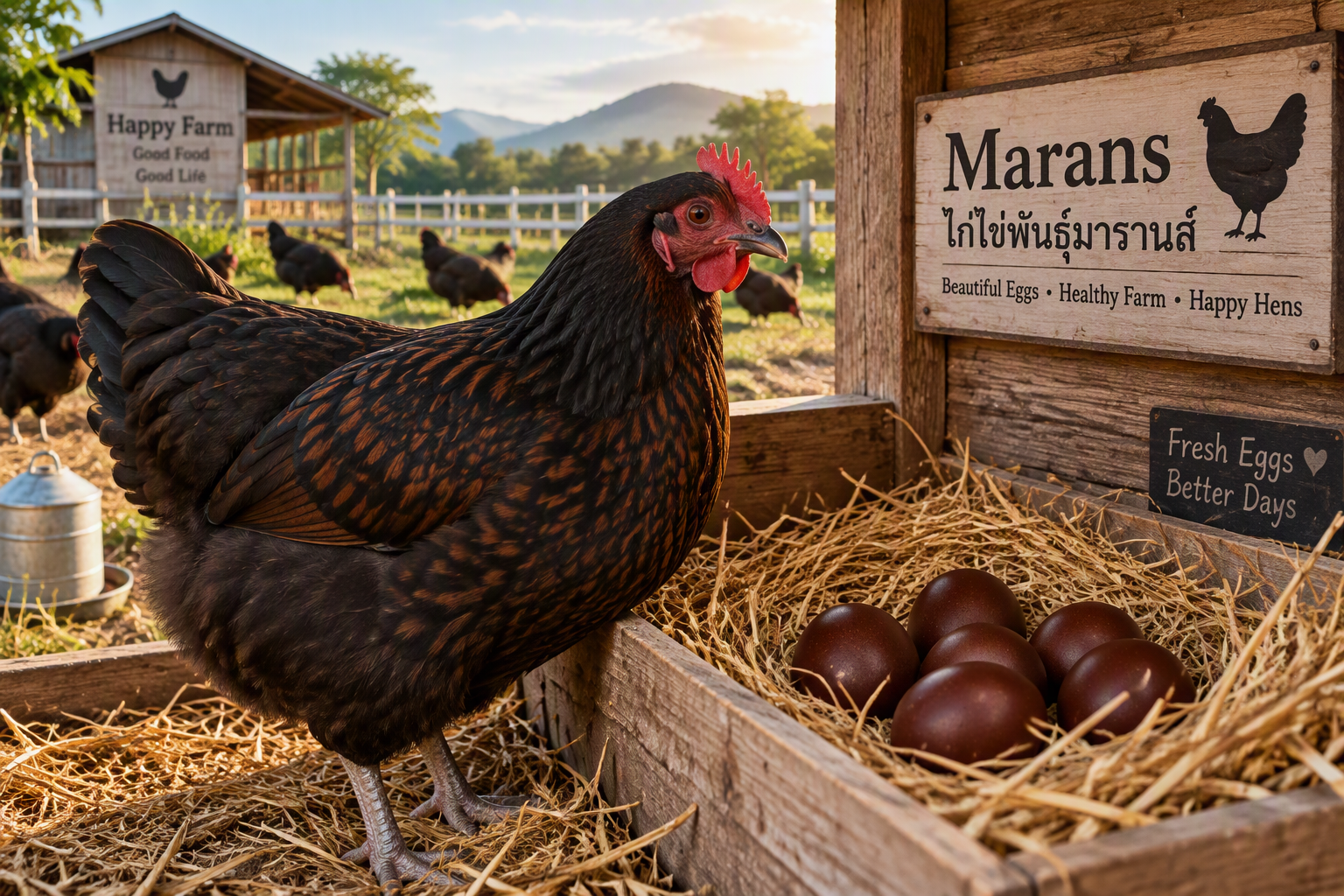
Marans laying hens (Marans) 225

การเลี้ยงไก่ไข่สวยงาม

Marans laying hens (Marans)

Marans chicken breed (Marans) It originates from the city of Marans (Marans) in the west of France. During the 19th century, it was created by crossing native chickens with chickens from many countries that arrived by boat in the coastal region.Marans are very popular for their dark brown, chocolate-like eggs. which is considered unique and is regarded as one of the breeds that produce the darkest eggs in the world.Breed characteristicsshapeBig, strong bodyBroad chestMedium length backtight structureIt is a half-meat, half-egg chicken (Dual Purpose).FeaturesSlight hair on the outside of the legs (Especially the French breed) Single bright red crest, orange-red eyes, white skin.Popular coat colorsBlack Copper Maransshiny blackCopper neck and shoulder feathersIt is the most popular breed.Blue Copper Maransbluish graydrinkerCuckoo Maransblack and white patternWheaten Maranslight golden brownWhite MaransPure whiteweightMale 3.5-4.0 kg.Female 2.5-3.5 kg.Highlights of the breed✅ Give eggs a dark chocolate brown color.✅ Eggs are highly valued in the market.✅ Can be raised for both eggs and meat.✅ Strong and durable✅ Calm and docile personality✅ Adapts well to free-range rearing.Egg characteristicsThe most distinctive feature of Marans is its egg color.Color levels can range from🥚 Light brown🥚 Red brown🥚 Dark brown🥚 Dark chocolate🥚 Very dark chocolate.Egg color is darkest at the beginning of the laying season. and may fade slightly as hens age.egg productionStart laying eggs at 22-28 weeks of age.Gives about 150-220 eggs per year.Average egg weight is 60-75 grams.The eggs are quite large.The bark is stronger than other species.How to raise1. GreenhouseAiry, well ventilated, with 3-4 eggs per square meter, dry, not damp ground, and clean nest boxes. Because it is a large chicken You should arrange your sleeping perch to be stronger than usual.2. FeedingChick stage (0-8 weeks) 20-22% protein feed, clean water at all times.Young chicken stage (8-18 weeks) 16-18% protein, supplemented with vitamins and minerals.Protein egg laying stage 16-18% Calcium 3.5-4% supplement with crushed shellfish or crushed limestone.3. Free-range farmingMarans are chickens that like to scavenge for food and can find their own supplements, such asyoung grassinsectearthwormseedsReduces food costs and increases egg quality.4. Light managementRequires 14-16 hours of light per day, supplemented during days when there is little natural light.5. Health careImportant vaccines include:Newcastle (ND)Gamboro (IBD)Infectious bronchitis (IB)Chicken smallpoxThey should be dewormed every 4-6 months and keep the house clean regularly.strengthThe chocolate-colored eggs are strikingly beautiful.The selling price of eggs is higher than normal eggs.Thick-shelled, strong eggsEasy to raise, calm temperamentCan be used to raise both eggs and meat.weaknessThey produce fewer eggs than commercial laying hens such as Leghorns.Egg color may become lighter with age.Purebreds are quite expensive.Breeds must be selected to maintain the intensity of egg color.summarizeMarans chicken (Marans) It is a famous egg-laying chicken from France. Characterized by dark brown eggs resembling chocolate. It produces about 150-220 eggs per year. It has a calm, strong temperament and is easy to raise. Suitable for those who want to produce high value premium eggs. They are popularly raised together with Ameraucana (blue eggs), Araucana (blue eggs), Easter Egger (multi-colored eggs) and Olive Egger (olive-green eggs) to create a multi-colored egg farm that stands out in the market. 🥚🍫🐔🌈

Read Details → 225 views
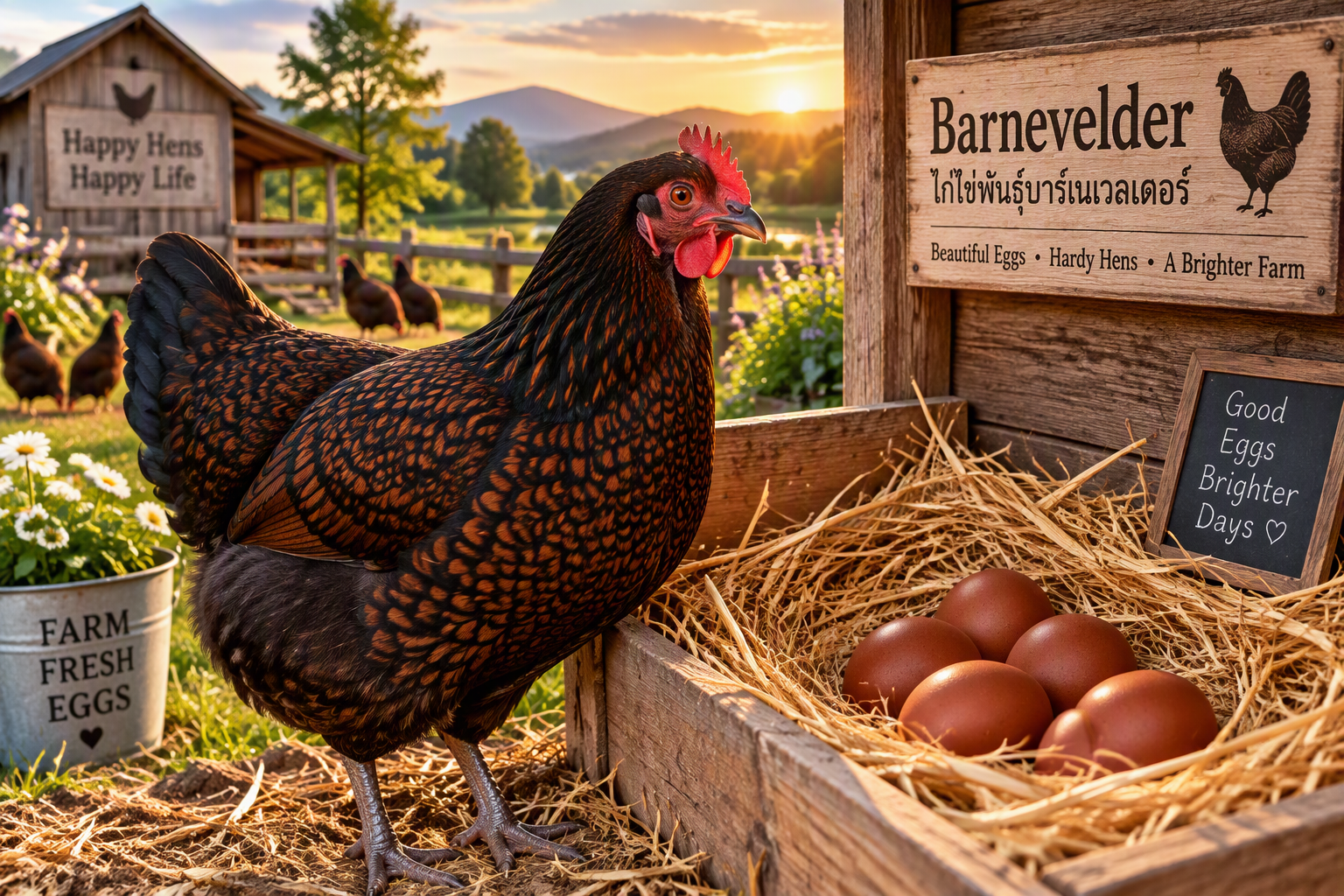
Barnevelder Chicken (Barnevelder) 205

การเลี้ยงไก่ไข่สวยงาม

Barnevelder Chicken (Barnevelder)

Barnevelder Chicken (Barnevelder) Originated from Barneveld, Netherlands. In the late 19th century, Dutch farmers originally wanted to develop chickens that could produce dark brown-shelled eggs. which was in demand in the market at that time Therefore, native chickens were mixed with various chicken breeds such as Langshan, Cochin and Brahma, resulting in the present Barneveder chicken.This breed of chicken is popular all over the world for its beautiful feather pattern. and giving dark brown eggsBreed characteristicsShape: medium to large, body wide, deep, and strong, chest wide, back relatively short, legs strong, yellow or dark in color, single crest (Single Comb) bright red, earlobes red.Popular coat colorsDouble-Laced BlackThe most distinctive characteristics of the breedreddish-brown furEach line has a double black border.Looks beautiful like fish scalesother colorsBlue Double-LacedBlackWhiteSilver Double-LacedBut the Double-Laced Black color is the most popular.weight Male 3.0-3.5 kg.Female 2.5-3.0 kg.Highlights of the breed✅ Beautiful, outstanding fur.✅ Give eggs a dark brown shell.✅ Easy to raise✅ Polite and calm personality✅ Resistant to various weather conditions✅ Suitable for raising both laying hens and beautiful chickens.✅ Suitable for tourist farms and organic farms.egg productionStart laying eggs at approximately 24-28 weeks of age.Gives an average of 180-220 eggs per year.Egg weight approximately 55-70 grams.Egg shell is dark brown to reddish brown.Although the egg color is not as dark as Marans, it is darker than that of other laying hens.characterDocile, not aggressive, stays well with herds. Suitable for beginners raising chickens. They are good at finding their own food when raised free.How to raise1. GreenhouseGood ventilation, a roof to protect from sun and rain, dry, clean floor, an area of ​​approximately 3-4 hens per square meter. There should be 1 nest for every 4-5 hens.2. FeedingChicks (0-8 weeks) 20-22% protein diet, clean water at all times.Young chicken (8-18 weeks) 16-18% protein, fortified with vitamins and minerals.Chicken eggs protein 16-18%, calcium 3.5-4%, supplemented with crushed shellfish or crushed limestone.3. Free-range farmingBarnevelders can be raised free of food that they can find themselves, such asinsectearthwormgrass seedsyoung plantsReduces food costs and increases egg quality.4. Light managementNeeds 14-16 hours of light per day if natural light is not enough. There should be additional lighting in the greenhouse.5. Health careVaccines that should be receivedNewcastle (ND)Gamboro (IBD)Infectious bronchitis (IB)Chicken smallpoxIncluding deworming every 4-6 months and taking care of the cleanliness of the house regularly.strengthThe fur pattern is very beautiful.Dark brown eggs sell for a good price.Easy to raise, strongTame personalitySuitable for both raising beautiful animals and laying hens.Resistant to hot weather conditions quite well.weaknessGives fewer eggs than commercial laying hensIt takes longer to start laying eggs.Purebreds are quite expensive.The egg color is not as dark as Marans.summarizeBarnevelder Chicken (Barnevelder) is a laying hens from the Netherlands. Famous for its unique and beautiful double-laced fur pattern. and gives about 180-220 dark brown shelled eggs per year. Polite, strong and easy to raise. Suitable for those who want both beauty and egg production in the same farm.🥚 Predominant egg color: dark reddish-brown. 🐔 Hen weight: 2.5-3.0 kg. 📈 Egg production: 180-220 eggs/year 🌿 Suitable for: organic farms tourist farm and those who like beautiful chickens that produce good eggs.

Read Details → 205 views
Rhode Island Red laying hens 162

การเลี้ยงไก่ไข่สวยงาม

Rhode Island Red laying hens

Rhode Island RedRhode Island Reds are hardy, easy-to-raise chickens that lay eggs regularly. Suitable for both small farms free-range farming and backyard farmingHistory and originThe Rhode Island Red was developed in the 19th century in the areas of Rhode Island and Massachusetts. United States By mixing several breeds of chicken such as Malayan chicken, Shanghai chicken and brown leghorn chicken. To get chickens that are strong, grow well and produce lots of eggs.It was later accepted as a standard breed in the United States. and spread throughout the world It has also been used as the basis for the development of several commercial breeds of laying hens and hybrid chickens.Breed characteristics- The fur is dark red to reddish brown. Often shiny- The tail is black or greenish-black. especially in male chickens- Red crest, most often a chakra crest. But some have rose crests.- Earlobes and wattles are red.- Yellow skin and legs- relatively long shape The body is deep and heavily muscular.- An adult male chicken weighs approximately 3.4–3.9 kilograms.- Adult female chickens weigh approximately 2.5–3.0 kilograms.- Give brown-shelled eggs. Generally about 200–300 eggs per year, depending on the breed, food and rearing system.This breed of chicken has an active temperament, is good at finding food, and adapts well to its environment. Most hens have a mild temperament. But some male chickens can be territorial or aggressive.Breeding guidelines houseThe greenhouse should be airy. Good ventilation Canopy protects from sun and rain The floor must be dry and easy to clean. The perches and nest boxes should be kept in a quiet area. Arrange approximately 1 nest for every 4–5 hens.Avoid dense farming. Because it will cause chickens to become stressed, peck easily and put them at risk of respiratory disease. If kept free-range, there should be a fence to protect it from dogs, snakes, and other predators.foodFood should be fed according to age, including:- Chicks: Chick food with approximately 18–20% protein.- Model chicken: Model chicken feed with approximately 15–17% protein.- Laying hens: Diet with approximately 16–18% protein and enough calcium to form eggshells.Can be supplemented with vegetables, grass, insects or local ingredients. But it should not be used as a replacement for ready-to-eat food. There must be clean water available to drink at all times. And you should not feed food that is moldy, spoiled, or has an extremely salty taste.Light managementHens in the egg-laying stage need approximately 14–16 hours of total light per day. Light enhancement should be done regularly. Do not increase or decrease the duration suddenly. Because it may reduce egg production.health care- Clean the greenhouse and food and water containers regularly.- Separate new or sick chickens from the flock.- Control mites, lice, parasites and insect vectors.- Organize the vaccination program to suit the epidemic in the area. By consulting a veterinarian or livestock officer.- Watch for unusual symptoms such as lethargy, not eating, difficulty breathing, abnormal stools. or eggs decrease rapidlyAdvantages and precautionsข้อดีคือแข็งแรง Resistant to many weather conditions, good at finding food, giving both eggs and meat. and suitable for beginners A word of caution is that some male hens may be aggressive. Chickens can scavenge and damage vegetable gardens. And purebred lines that emphasize appearance may produce fewer eggs than lines selected specifically for production.In hot weather like Thailand Shade should be emphasized. Ventilation and clean water that is not too hot Especially in the afternoon To reduce heat stress and help maintain consistent egg production.

Read Details → 162 views
New Hampshire chicken 109

การเลี้ยงไก่ไข่สวยงาม

New Hampshire chicken

New Hampshire ChickenNew Hampshire chickens are semi-egg chickens that grow quickly, are strong, and produce brown-shelled eggs. Suitable for raising in household farms. Free release system and small to medium sized farmsHistoryNew Hampshire chickens were developed in New Hampshire. United States In the early 20th century, it was selected and improved from Rhode Island Red chickens (Rhode Island Red).The developer aims to select chickens that have important qualities, including:Grows quickly and grows hair quickly.It gives good texture and a plump carcass.matures quicklyGives eggs wellStrong and easily adaptable to the environmentThe breed was legalized in the United States in 1935 and was later used in the development of broilers and several hybrid chicken breeds.Breed characteristicsThe fur is reddish brown or chestnut red. Generally lighter in color than Rhode Island Red.The feathers on the neck, wings, and tail may have black tinges.Males are brighter and more shiny than females.Red crest, erect.Red earlobes and wattlesThe beak, shins, and skin are yellow.The body is wide, deep, round and well muscled.Legs are strong, no hair covering the legs.Gives medium to large brown-shelled eggs.Approximate adult weight:Male chicken 3.5–3.9 kg.Hen 2.7–3.0 kgA hen may produce approximately 180–250 eggs per year, depending on subspecies, diet, health, and husbandry system. Some have the habit of hatching eggs and raising young well.characterNew Hampshires are energetic, strong chickens that are good at foraging in the wild. They are generally docile and easily get used to their owners. However, some male hens can be territorial or exhibit aggressive behavior. Especially when living with other chickens in a limited area.How to raise1. GreenhouseThe greenhouse should be airy. Good ventilation and can protect from sun, rain, strong winds and predators. The floor must be dry and not prone to water retention. Use clean rice husks or bedding and change it when it becomes damp or smells.Should provide:Strong perchApproximately 1 nest per 4–5 hens.Sufficient food and water containersWalking area or grass plot for ferretsShade for shelter from the sun Especially in hot weather2. Food according to ageChicks 0–6 weeks old: Use chick food with approximately 18–20% protein.Young chickens 7–18 weeks of age: Use young chicken feed with approximately 15–17% protein.Egg-laying hens: Use egg-laying chicken feed containing about 16–18% protein with adequate calcium.Chickens raised for meat: Provide a balanced diet that is sufficient for growth. But the weight of the breeder must be controlled so that it is not too fat.Can be supplemented with appropriate amounts of vegetables, grasses, insects, or grains. But dietary supplements should not replace the main diet. Because it may cause incomplete protein, vitamins, and minerals to be received.3. Water and hot air managementThere must be clean water for the chickens to drink at all times. In hot weather you should:Place the water container in the shade.Change the water so it is clean and not hot.Increase ventilation within the greenhouseReduce the density of chickensAvoid handling or moving chickens during the hot daytime.If the chicken opens its mouth to breathe, spreads its wings, is lethargic, or eats less food. It could be a sign of heat stress.4. Light for laying hensEgg-laying hens should receive approximately 14–16 hours of total light per day. If using additional lighting You should increase the time gradually and turn on and off regularly. Sudden changes in photoperiod may reduce egg production.5. Disease preventionClean food and water containers daily.Keep the underlayment dry.Separate new chickens to observe symptoms before bringing them into the flock.Isolate sick chickens immediately.Protects against rats, wild birds, mosquitoes, mites and lice.Do not raise chickens too densely.Arrange vaccines according to disease risk in the area. By consulting a veterinarian or livestock officer.strengthGrows and grows hair quicklyProvide both meat and eggsThere is a good amount of meat compared to other laying hens.Strong and easily adaptableGood at finding food naturallybrown shell eggs The size is quite large.Suitable for free-range raisingPrecautionsGives fewer eggs than commercial hybrid laying hens.Some male hens can be aggressive.Chickens may become too fat when fed very high energy feeds.Coat color and yield may vary by breed.Special care must be taken regarding heat when raising them in Thailand.In summary, New Hampshire is ideal for owners who want healthy, fast-growing chickens that can be used for both meat and eggs. But if the goal is to produce a large number of eggs commercially. Specialized hybrid laying hens tend to have higher yields.

Read Details → 109 views
Laying chicken Isa Brown (ISA Brown) 129

การเลี้ยงไก่ไข่สวยงาม

Laying chicken Isa Brown (ISA Brown)

Isa Brown laying hens (ISA Brown)ISA Brown is a commercial hybrid egg laying hens that are prolific in laying, start laying quickly and adapt well. Therefore, it is popular in both industrial farms and backyard farming. However, ISA Brown Not a purebred chicken Offspring produced by inbreeding will not have the same characteristics and production as the parents.HistoryThe ISA Brown was developed in France by the Institut de Sélection Animale, or ISA. The name “Brown” comes from the brown color of its coat and eggshell.The developers selected the father and mother lines over several generations. Before being bred into commercial hybrid chickens with outstanding properties include:Start laying eggs earlygive a lot of eggsChange food into good egg production.Give large, brown-shelled eggs.They have a rather calm temperament and are easy to handle.The details of the strains used are the exclusive information of the developer. Therefore, it is not possible to produce ISA Brown with the same properties by mixing ISA Brown father and mother chickens together.General characteristicsAppearanceHens have reddish-brown or golden-brown feathers.There may be white feathers on the tail, wings, or lower part of the body.The father chicken is usually lighter or whiter than the mother hen.The crest, earlobes, and wattles are red.The shins are hairless and are usually yellow.medium sized body Not as thick and heavy as broiler chicken.When fully grown Hens usually weigh around 1.8–2.2 kilograms.Give brown-shelled eggs. medium to large sizeProductivity characteristicsWhen given proper food, light and care Hens may begin laying eggs at approximately 18–20 weeks of age and are highly productive during their first year.Typical egg counts may be around 300 eggs per year or more in a properly managed system. But the actual production depends on the production line, age, health, food, light, temperature, and farming conditions.Hens are quite docile. sociable and rarely have the habit of hatching eggs Therefore, it is more suitable for raising eggs than for natural propagation.How to raise1. GreenhouseThe greenhouse should be dry, clean and well ventilated. Can protect from rain, strong sun, strong winds and predators. Should not be raised too densely Because it causes chickens to become stressed, peck at each other and easily develop disease.Things that should be prepared include:stable perchApproximately 1 nest per 4–5 hens.Sufficient food and water containersFoundation material, such as rice husks, that is clean and dry.Walking area or rummage area If raised freeShade and good ventilation during hot weather.2. Food according to ageChicks 0–6 weeks oldUse good quality chick food. Contains about 18–20% protein. During this time, chicks need to be warm and have access to food and water at all times.Young chickens are approximately 7–17 weeks old.Feed young chickens food that has about 15–17% protein. Do not feed laying hens too early. Because it is high in calcium and not suitable for chickens that have not started laying eggs yet.Chickens close to eggs and egg-laying periodWhen they begin to reach age, they give eggs or find their first egg. Therefore, it is changed to a layer feed that has about 16–18% protein and enough calcium to build egg shells. Changing your diet should be done gradually.You can add a small amount of vegetables, grasses, or grains. But dietary supplements should not replace the main diet. Because it will dilute the nutrients and reduce egg production.3. Drinking waterThere must be clean water for the chickens to drink at all times. Even a short period of dehydration can lead to decreased food intake, fewer eggs, and thin eggshells. Water containers should be washed daily and kept in the shade.4. Light managementEgg-laying hens should receive approximately 14–16 hours of total light per day. If natural light is not enough Can be supplemented with light bulbs. But there should be a definite opening and closing time.The exposure period should not be reduced suddenly. This may cause the egg production to decrease or temporarily stop laying eggs.5. Caring for hot weatherISA Brown can be raised in Thailand. But high heat affects feed intake and egg production, so you should:Make the greenhouse open and shaded.Provide clean water that is not very hot at all times.Add a watering point during the summer.Reduce the density of chickensFeed in the morning or in the evening when the weather is cooler.Avoid handling, moving, or disturbing chickens during the day.If a chicken opens its mouth to breathe, spreads its wings, drinks an unusual amount of water, or is lethargic, it may be suffering from heat stress.6. Disease preventionClean the greenhouse and equipment regularly.Keep the underlayment dry.Separate new chickens to observe symptoms before joining the flock.Isolate sick chickens immediately.Protects against rats, wild birds, mites, lice and insect vectors.Use a clean house entry and exit system.Organize vaccination programs according to diseases found in the area. By consulting a veterinarian or livestock officer.strengthLet the eggs be prolific and start laying quickly.Using food is quite worthwhile.Brown-shelled eggs, uniform sizeThe temperament is quite calm and easy to raise.Suitable for both commercial farms and backyard farming.Can be raised in both greenhouses and free-range systems.PrecautionsNot suitable for breeding and maintaining lines. Because it's a hybrid chicken.Productivity will decrease with age. Especially after the peak egg-laying period.You must get a balanced diet. Especially protein, calcium and vitamins.There is a risk of thin cartilage or eggshells. If you don't get enough calciumHot weather, stress, and dehydration cause egg production to decline rapidly.They don't produce as much meat as semi-egg meat chickens such as Rhode Island Red or New Hampshire.In summary, ISA Brown is suitable for those who want a large egg production and care for their flock with systematic food, water, light and disease prevention. If you want to breed and breed yourself in the long term You should choose purebred chickens over this type of hybrid chicken.

Read Details → 129 views
Laying hens of the Hy-Line Brown breed (Hy-Line Brown) 137

การเลี้ยงไก่ไข่สวยงาม

Laying hens of the Hy-Line Brown breed (Hy-Line Brown)

Hy-Line Brown egg laying chicken (Hy-Line Brown)Hy-Line Brown is a popular commercial hybrid laying hens around the world. The highlight is that it starts giving eggs quickly. Give lots of brown-shelled eggs. Use food worthwhile and can adapt to many types of farming systemsHighline Brown Not a purebred chicken When the parent chickens are mixed together The resulting offspring may not have the same characteristics and production as chicks from the breeding company.HistoryHy-Line originates in the United States. Its work on laying hens began in the 1930s under the initiative of Henry A. Wallace.An important method of development is selection of the paternal and maternal lines. Then mixed to create strength and high production efficiency in the offspring. Later, several lines of commercial laying hens were developed, including the Hy-Line Brown, which was selected for the production of brown-shelled eggs.Important goals for improving the chicken line include:Continuously give a lot of eggsStart laying eggs earlyProviding eggs of the right size and with strong shells.Use food efficientlyIt has a high survival rate and strength.Adaptive to the cage Cage-free greenhouses and release systemsDetails of the parent lines used to produce chicks are exclusive to the developer.Line characteristicsAppearanceHens have reddish brown to golden brown feathers.The tail and wingtips may have white feathers.The crest, earlobes, and wattles are red.The tibia and skin are often yellow.medium sized body Their shape is more suitable for egg production than for meat production.When fully grown Hens usually weigh around 1.8–2.1 kilograms.Give brown-shelled eggs. medium to large sizeProductivity characteristicsHens usually begin laying eggs at around 18–20 weeks of age if they are provided with the right food, light and management. The rate of laying eggs will gradually increase until reaching the maximum. Then it decreases with age.Under good commercial management More than 300 eggs can be produced per year, but the actual number will vary based on production line, age, diet, health, temperature, and housing system.Chickens are relatively calm, alert and well-adjusted. In general, there is little incubation behavior. Therefore, it is more suitable for egg production than for natural propagation.How to raise1. Chick stageAt first, the chick brood area must be prepared to be warm, dry, clean, and free of drafts. Chicks' behavior should be checked to adjust to the heat:Huddling together under the brooder Indicates that the weather is too cold.Run away from the brooder and open your mouth to breathe. indicates too hotDistribute evenly and eat normally. Shows that the temperature is appropriateClean water should be provided immediately when the chicks arrive. And check that all chicks have access to water and food.2. GreenhouseThe greenhouse should be airy, well ventilated, and protected from rain, strong winds, strong sunlight, and predators. The floor must not be damp or waterlogged. If foundation materials such as rice husks are used, keep them dry and replace wet areas immediately.Should prepare:Adequate space to eat food and waterstable perchApproximately 1 nest per 4–5 hens.Area for scavenging or dust bathingShade for free-range chickensFencing protects against dogs, snakes and predators.3. Food according to ageFood should be selected according to age, weight and stage of production. Because feeding at the wrong time may cause the chicken to grow unevenly or not produce eggs at their full potential.Age 0–6 weeks: Chick food, approximately 18–20% protein.Age 7–15 weeks: Young chicken diet, approximately 15–17% protein.Pre-egg period: Gradually switch to pre-egg food based on flock weight and development.Laying stage: Layer feed, generally 16–18% protein, with a balance of energy, amino acids, calcium and phosphorus.Layer feed that is high in calcium should not be fed to chicks or young chickens for a long time. Because it may have negative effects on kidneys and growth.Vegetables, grasses, or grains can be given as supplements. But it shouldn't be so much that the chickens eat less of their main food.4. Drinking waterChickens must have clean water at all times. Especially during hot weather Dehydration leads to reduced food intake, reduced egg production and rapid deterioration of eggshell quality.Water containers should be washed every day. Check that the water head is not clogged. And place the container in a shaded, easily accessible area.5. Light managementThe egg-laying stage should receive approximately 14–16 hours of total light per day. It combines natural and supplementary lighting. Turning on and off lights should be on time. And the light hours should not be reduced suddenly.Chickens should not be stimulated with light to start laying too early before the flock has reached the appropriate weight and body structure. Because it may make the eggs small Long-term productivity declines and problems with the reproductive system6. Egg collectionCollect eggs at least 2–3 times a day.Increase frequency during hot weatherKeep your ovaries clean and dry.Separate broken eggs, cracked eggs, and dirty eggs.Store eggs in a cool, clean, and free from strong odors.Eggs should not be washed with cold water or soaked in water. This may increase the chance that germs will pass through the shell and enter the egg.7. Care in ThailandHot weather and high humidity can cause your chickens to eat less food, so you should:Make the greenhouse airy and have air circulation.Prevent sunlight from shining directly into the greenhouse.Provide clean water that is not too hot.Add a watering point in the summer.Feed mostly in the morning and evening.Reduce herd densityAvoid handling or transporting during the day.8. Disease preventionClean the greenhouse and equipment regularly.Separate new chickens before bringing them into the flock.Isolate sick chickens and investigate the cause immediately.Controls rats, wild birds, insects, mites and lice.Do not share containers or equipment with other farms without disinfecting them.Organize a vaccination program to suit the disease in the area. By consulting a veterinarian or livestock officer.strengthProvides abundant eggs and continuous productionStarts laying eggs quite early.Use food worthwhileThe eggs have a brown shell and are fairly uniform in size.Their temperament is quite calm and easy to handle.Can be raised in a cage system Cage-free greenhouses and release systemsSuitable for commercial farms and backyard farming.PrecautionsIt's a hybrid chicken. Therefore, it is not suitable for further breeding to maintain the original production.You must have a balanced diet with enough calcium.Heat and lack of water quickly reduce yield.Stimulating light too quickly can cause eggs to be small and affect long-term production.Gives less meat than semi-egg chicken.High yields require careful monitoring of bone problems, thin eggshells, and abdominal or reproductive system conditions.In summary, Hy-Line Brown is suitable for farmers who want brown-shelled laying hens that are highly productive and use feed efficiently. Success in farming depends on consistent control of flock weight, food, water, light, temperature, and health.
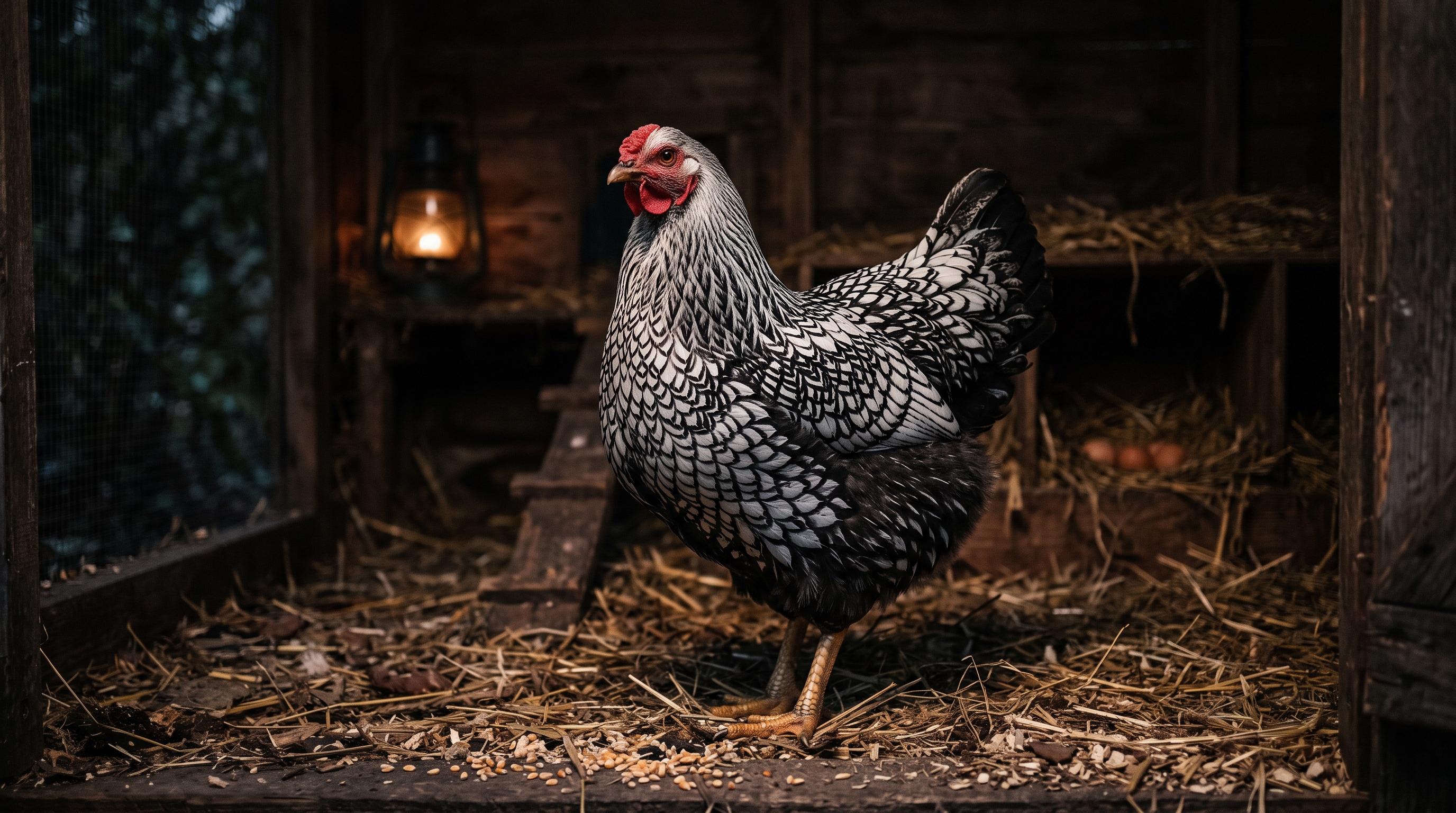
Read Details → 137 views
Laying hens of the Lohmann Brown breed (Lohmann Brown) 111

การเลี้ยงไก่ไข่สวยงาม

Laying hens of the Lohmann Brown breed (Lohmann Brown)

Lohmann Brown laying hensThe Lohmann Brown is a commercial hybrid laying hens famous for its prolific egg production. brown shell eggs and use food efficiently Suitable for commercial farms and backyard farming.This type of chicken is A hybrid line, not a purebred chicken. If mixed together The resulting offspring will have inconsistent characteristics and production like commercial chickens.HistoryLohmann Brown was developed by Lohmann Tierzucht in Germany. From selecting and mixing breeder lines with high egg production efficiency.The goals of breed improvement are:Start laying eggs earlyGive lots and lots of eggs.Give the eggs a strong brown shell.There is a good rate of converting food into eggs.has a high survival rateAdaptable to many types of farming systemsLohmann Brown has several commercial lines, such as Lohmann Brown-Classic. and lines selected to be suitable for different rearing systems or egg sizes. Therefore, yield and weight figures may vary slightly depending on the cable purchased.General characteristicsAppearanceHens have reddish-brown or golden-brown feathers.The tips of the wings and tail may have white feathers.The male or female hen is usually lighter in color than the mother hen.The crest, earlobes, and wattles are red.The legs are hairless and are usually yellow.medium sized body Concise shapeAdult hens usually weigh around 1.8–2.1 kilograms.Give brown-shelled eggs. medium to large sizeSome chicks can be sexed by feather color as early as one day of age. The female chicks are brown. Males are lighter or whiter in color.characterIn general, they have a rather calm temperament, are alert and easily get used to their owners. Can find natural food well But if they are raised densely or receive unbalanced nutrients Fur-pecking and pecking behavior may occur.Hens usually do not have a pronounced habit of incubating eggs. Because they were selected primarily for egg productionProductivityHens usually begin laying eggs at around 18–20 weeks of age and will gradually increase their production until reaching peak production. If given proper food, light, water and care It can produce more than 300 eggs per year during good production.Actual yield depends on many factors, including:trade lineWeight when starting to lay eggsFood qualityDuration and consistency of lighttemperatureHerd healthfarming systemHow to raise1. Raising chicksBefore receiving chicks, the house should be cleaned and disinfected. Get your brooders, food, and water ready. The floor must be dry and free from drafts.During the first week The temperature at the level of the chicks should be around 32–35 degrees Celsius, gradually decreasing by about 2–3 degrees per week, taking into account the chicks' behavior:Huddling together under the brooder shows that it is too coldStay away from the brooder and open your mouth to breathe. indicates too hotEvenly distributed Shows that the temperature is appropriateAll chicks must be ensured that they have access to water and food immediately after being brought into the house.2. GreenhouseThe greenhouse should be airy. Good ventilation and protects from sun, rain, strong winds, and predators. The floor and underlayment must be dry. Because high humidity causes an ammonia smell. respiratory disease and foot problemsFor cage-less systems, the following should be provided:Strong perchApproximately 1 nest per 4–5 hens.Scavenging and dust bathing areasAdequate feeding and water pointsShade for launch systemFencing protects against dogs, snakes and predators.Should not be raised too densely Because it causes chickens to compete with each other to eat food. Stress causes pecking and egg production decreases.3. Food according to ageAge 0–6 weeksFeed chicks a diet that is approximately 18–20% protein to promote the growth of their structure, bones and feathers.Approximately 7–16 weeks oldFeed chickens with a protein content of approximately 15–17% to maintain a consistent weight of the flock. Not too thin or too fatPeriod before starting to lay eggsChange to pre-egg food according to the age, weight and development of the flock. It shouldn't change too quickly. Because the food at this stage has higher calcium than the chicken food.Egg-laying periodFeed laying hens a protein content of approximately 16–18% with a balance of amino acids, energy, calcium, phosphorus, vitamins and minerals.Feed should be fed according to the chick or feed manufacturer's recommendations. This is because food needs change with age, egg quantity, body weight and weather conditions.Vegetables, grasses, and grains can be used as dietary supplements. But it should not be given so much that the chickens eat less of their main food.4. Drinking waterThere must be clean water for the chickens to drink at all times. Even a short period of lack of water can lead to decreased egg production and thin eggshells.You should do the following:Wash water containers regularly.Check the water head to make sure it is not clogged.Place the water container in the shade.Add a water point during hot weather.Check your water intake every day. Because changes may be a sign of disease or abnormality.5. Light managementEgg-laying hens should receive approximately 14–16 hours of total light per day. both from natural light and supplementary light The time to turn on and off the lights must be consistent.The light should not be stimulated before the chicken is of suitable age, weight and body structure. Because it may cause eggs to start too early. The eggs are small. and can cause reproductive system problems6. Caring for hot weatherThailand has high temperatures. This can lead to chickens eating less food and laying eggs. You should:Make the greenhouse open and shaded.Use fans or ventilation systems when necessary.Keep the water cool and clean at all times.Add a watering point in the summer.Provide food in the morning and evening.Avoid handling or moving chickens during the day.Reduce herd densitySymptoms of opening your mouth to breathe, spreading your wings, drinking a lot of water, being lethargic, or eating a decreased amount of food. This is a sign that the chicken may be stressed from the heat.7. Egg collection and careCollect eggs at least 2–3 times a day.Keep nest boxes and nesting materials clean.Separate broken eggs, cracked eggs, and dirty eggs.Store eggs in a cool, clean area without strong odors.Handle eggs gently and avoid sudden temperature changes.8. Disease preventionClean and disinfect the house before bringing chickens into the flock.Separate new chickens to observe symptoms before joining the flock.Isolate sick chickens immediately.Controls rats, wild birds, insects, mites and lice.Restrict people and equipment from outside the farm.The amount of food, water, number of eggs, and deaths were recorded daily.Organize a vaccination program to suit the disease in the area. By consulting a veterinarian or livestock officer.strengthLet the eggs be prolific and start laying quickly.brown shell eggs The size is quite consistent.Use food efficientlyTheir temperament is quite calm and easy to handle.It has a good survival rate with proper care.Can be raised in a cage system Cage-free greenhouses and release systemsPrecautionsNot suitable for self-breeding Because it is a hybrid chickenA nutritionally balanced diet is required to support high egg production.Sensitive to heat, dehydration, and changes in light.If you don't get enough calcium Thin eggshells and bone problems may occur.Crowded farming or stress can cause them to peck their fur and peck at each other.Gives less meat than semi-egg chicken.In summary, Lohmann Brown is ideal for those wanting to produce high volumes of brown-shelled eggs. But it is necessary to constantly control food, water, light, temperature and the health of the flock. To allow chickens to show their full potential

Read Details → 111 views
Welsummer Chicken (Welsummer Chicken) 128

การเลี้ยงไก่ไข่สวยงาม

Welsummer Chicken (Welsummer Chicken)

Welsummer ChickenWelsummers are semi-egg meat chickens from the Netherlands. It is famous for its dark brown or terracotta brown shell eggs. Some eggs dotted with dark brown spots. They are strong, good at finding food, and suitable for free-range raising.HistoryWelsummer chickens were developed in the early 20th century in the village of Welsum, Netherlands. It was developed from native chickens along with several chicken breeds such as the Rhode Island Red. Barnevelders, Leghorns and some Asian breedsThe goal of development is to obtain chickens that:Strong and good at finding foodGive eggs a dark brown shell.It has a shape suitable for using both eggs and meat.It adapts well to being raised on farms and rural areas.Later, Wellsummer became popular in many countries. Especially in Europe and the UK. Because of its distinctive eggshell color and beautiful fur pattern.Breed characteristicsAppearanceThe most common colors are Red Partridge or red partridge color The male and female have clearly different patterns.Chicken DadThe head and neck are reddish-brown or copper.The back and shoulders are dark red.The chest and tail are black. Some of it was glowing green.The body is elegant and quite muscular.HenBrown ground fur It has a detailed pattern similar to chicken and quail.The neck area is gold or dark brown and has black stripes.The body helps camouflage well when hunting for food in nature.Common characteristicsred crested chakraRed earlobes and wattlesred-orange eyesThe legs are yellow and hairless.medium sized body The back is quite long and the chest is deep.Adult chickens weigh about 3–3.5 kilograms.An adult hen weighs approximately 2–2.7 kilograms.Weight may vary according to breed, selection and farming methods.Egg characteristics and productionWellsummer's eggs are characterized by:The bark is reddish brown or terracotta brown.Some bubbles have dark brown spots or freckles.medium to large sizeThey generally produce about 160–200 eggs per year.The dark color on the shell is the pigment that accumulates towards the end of egg formation. Therefore, some parts may be wiped off when the eggs are still fresh. The shell color may lighten as the hen continues to lay eggs. and becomes darker after resting or shedding.Welsummers produce fewer eggs than commercial hybrids such as ISA Brown, Hy-Line Brown and Lohmann Brown, but can continue to be bred and retain their characteristics. If using quality purebred parentscharacteralert and enthusiasticGood at finding food naturallySuitable for free-range raisingGenerally not aggressive and can get used to people.Some male chickens may be territorial.Some hens may hatch eggs. But the hatching instinct is not consistent.Can fly over low fences. Therefore, there should be a suitable fence.How to raise1. Preparing the greenhouseThe greenhouse should be dry, airy and well ventilated. Can protect from rain, sun, strong winds and predators. Foundation materials such as rice husks or wood shavings. Must not be wet.Should provide:The perch is approximately 20–25 centimeters wide per individual.Approximately 1 nest per 4–5 hens.Sufficient food and water containersScavenging and dust bathing areasShade in the release areaFencing protects against dogs, snakes and predators.Even with good weather resistance But it should not be raised densely. Because it increases stress, pecking, and the spread of disease.2. Raising chicksPrepare the brooding area before raising chicks. In the first week, the temperature at the level of the chicks should be around 32–35 degrees Celsius, then gradually decrease by about 2–3 degrees per week.Observe behavior to adjust temperature:The chicks are huddled together under the brooder, showing that they are cold.The chicks stay away and open their mouths to breathe, indicating they are hot.Chicks spread out and eat normal food. Shows that the temperature is appropriateChicks must receive clean water and food immediately. Shouldn't let the floor get wet. Because it increases the risk of disease and cold.3. Food according to ageAge 0–6 weeks: Chick food, approximately 18–20% protein.Approximately 7–17 weeks of age: Young chicken food, approximately 15–17% protein.Starting to lay eggs: gradually switch to laying hens' food.Egg-fertilizing stage: Diet containing approximately 16–18% protein with appropriate calcium and phosphorus.Vegetables, grasses, insects and grains can be supplemented, but they should not be given so much that the chickens are eating less of their main food. If raising free range, there should be crushed stomachs or gravel for poultry in cases where there is no natural gravel in the area.Layer feed that is high in calcium should not be used to feed chicks or young chickens for a long time. Because it may have negative effects on kidneys and growth.4. Drinking waterThere must be clean water available to drink at all times. Especially in hot weather Water containers should be washed regularly. Set it in the shade. and check that the water head is not cloggedDehydration causes chickens to eat less feed, reduce their egg count, and quickly deteriorate eggshell quality.5. Light managementHens in the egg-laying stage should receive approximately 14–16 hours of total light per day. If using additional lighting The opening and closing times should be set regularly.The light should not be turned on before the young chickens are of appropriate age and weight. Because it may cause eggs to start too early. The eggs are small. and affect long-term productivity6. Raising in ThailandWelsummer originates from temperate regions. When raising them in Thailand, they must be careful with heat and humidity. They should:Make the house open and have wide eaves.There are trees or other materials to provide shade.Provide clean water that is not very hot at all times.Increase the number of watering points in summer.Provide food in the morning and evening.Avoid handling or moving chickens during the day.Reduce herd densityKeep the foundation material dry in the rainy season.If the chicken opens its mouth to breathe, spreads its wings, is lethargic, or eats less food. You should quickly reduce the heat and increase ventilation.7. Disease preventionClean the greenhouse and equipment regularly.Separate new chickens before bringing them into the flock.Isolate sick chickens immediately.Controls rats, wild birds, mosquitoes, mites and lice.Do not share equipment with other farms without cleaning it.Deworm according to risk and veterinarian's advice.Organize vaccination programs according to diseases found in the area. By consulting a veterinarian or livestock officer.strengthThe eggs have dark brown shells and beautiful patterns.It's a purebred chicken. Can continue to breedStrong and good at finding foodSuitable for independent release systemsCan be used for both eggs and meat.It has a beautiful fur pattern. Suitable for conservation farmingPrecautionsGives fewer eggs than commercial hybrid laying hens.Eggshell color may fade during the laying cycle.The hatching of eggs by hens is irregular.May fly over fences that are too lowThere must be space to exercise and find food.Special care must be taken with heat and humidity in Thailand.In conclusion, Welsummer is suitable for owners who want purebred chickens with beautiful colors. Make the eggs have dark brown shells that stand out. and can continue to breed within the farm But if the main goal is the maximum number of eggs Commercial hybrid laying hens are more productive.

Read Details → 128 views
0 LINE