

Lohmann Brown laying hens
The Lohmann Brown is a commercial hybrid laying hens famous for its prolific egg production. brown shell eggs and use food efficiently Suitable for commercial farms and backyard farming.
This type of chicken is A hybrid line, not a purebred chicken. If mixed together The resulting offspring will have inconsistent characteristics and production like commercial chickens.
History
Lohmann Brown was developed by Lohmann Tierzucht in Germany. From selecting and mixing breeder lines with high egg production efficiency.
The goals of breed improvement are:
- Start laying eggs early
- Give lots and lots of eggs.
- Give the eggs a strong brown shell.
- There is a good rate of converting food into eggs.
- has a high survival rate
- Adaptable to many types of farming systems
Lohmann Brown has several commercial lines, such as Lohmann Brown-Classic. and lines selected to be suitable for different rearing systems or egg sizes. Therefore, yield and weight figures may vary slightly depending on the cable purchased.
General characteristics
Appearance
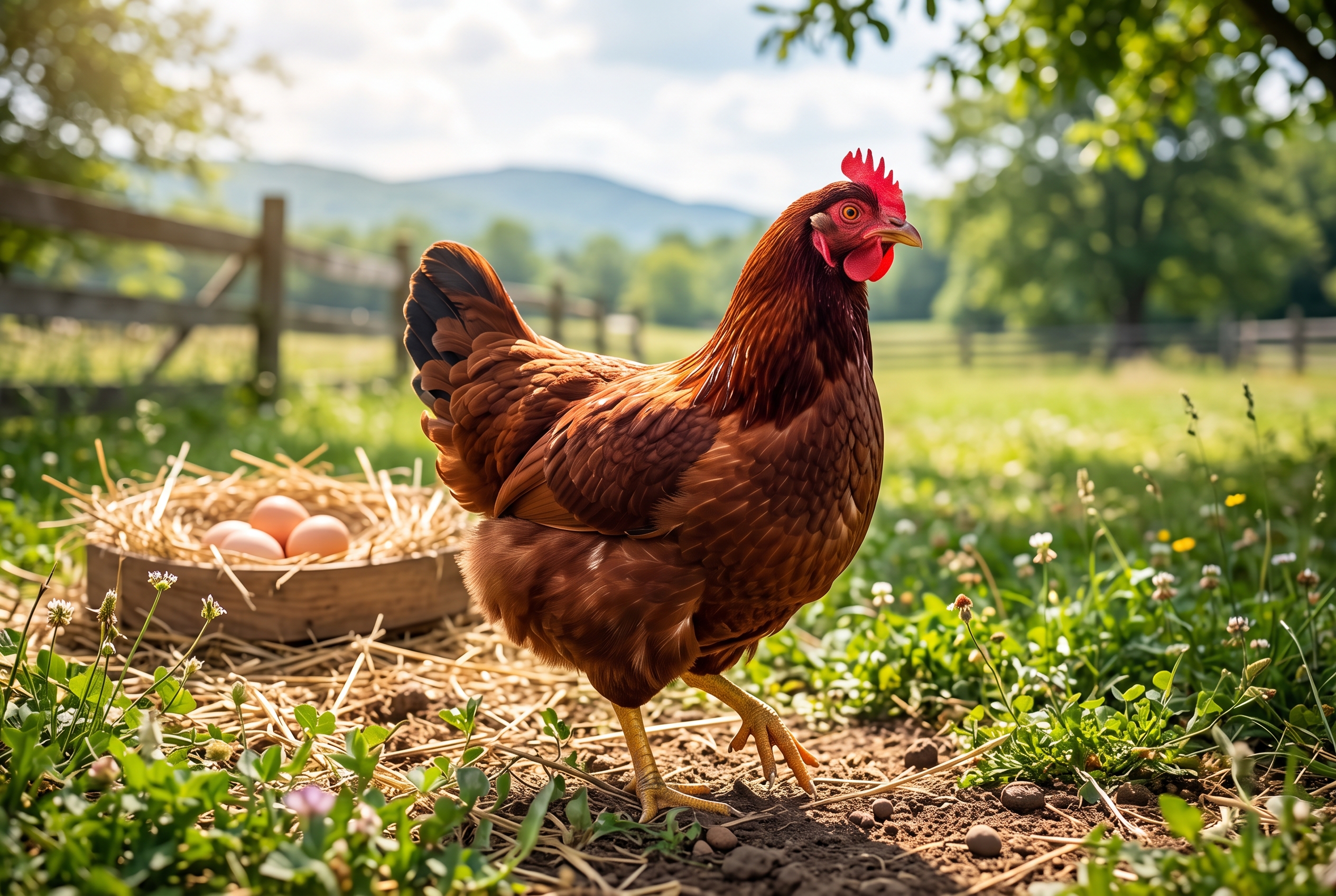
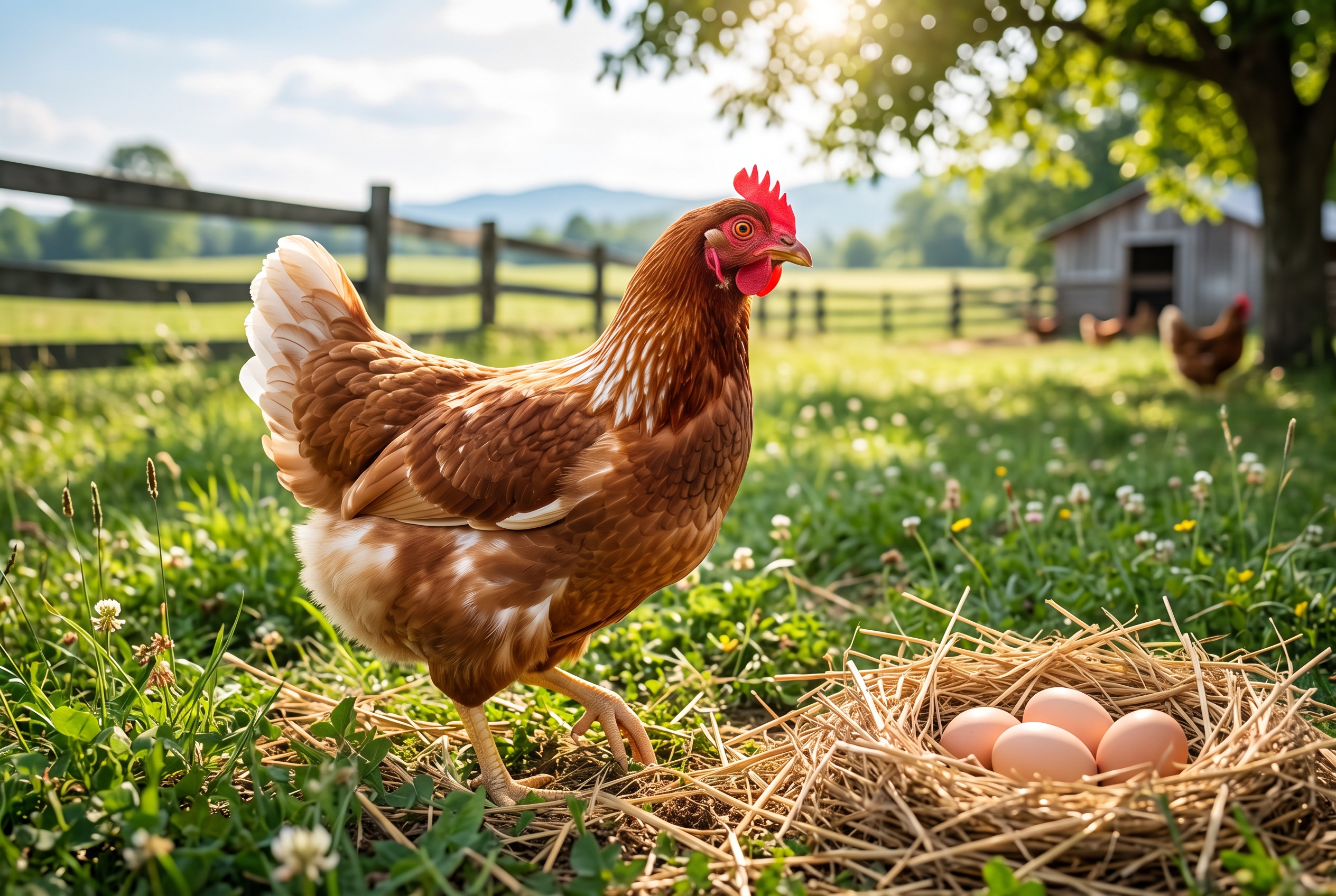
- Hens have reddish-brown or golden-brown feathers.
- The tips of the wings and tail may have white feathers.
- The male or female hen is usually lighter in color than the mother hen.
- The crest, earlobes, and wattles are red.
- The legs are hairless and are usually yellow.
- medium sized body Concise shape
- Adult hens usually weigh around 1.8–2.1 kilograms.
- Give brown-shelled eggs. medium to large size
Some chicks can be sexed by feather color as early as one day of age. The female chicks are brown. Males are lighter or whiter in color.
character
In general, they have a rather calm temperament, are alert and easily get used to their owners. Can find natural food well But if they are raised densely or receive unbalanced nutrients Fur-pecking and pecking behavior may occur.
Hens usually do not have a pronounced habit of incubating eggs. Because they were selected primarily for egg production
Productivity
Hens usually begin laying eggs at around 18–20 weeks of age and will gradually increase their production until reaching peak production. If given proper food, light, water and care It can produce more than 300 eggs per year during good production.
Actual yield depends on many factors, including:
- trade line
- Weight when starting to lay eggs
- Food quality
- Duration and consistency of light
- temperature
- Herd health
- farming system
How to raise
1. Raising chicks
Before receiving chicks, the house should be cleaned and disinfected. Get your brooders, food, and water ready. The floor must be dry and free from drafts.
During the first week The temperature at the level of the chicks should be around 32–35 degrees Celsius, gradually decreasing by about 2–3 degrees per week, taking into account the chicks' behavior:
- Huddling together under the brooder shows that it is too cold
- Stay away from the brooder and open your mouth to breathe. indicates too hot
- Evenly distributed Shows that the temperature is appropriate
All chicks must be ensured that they have access to water and food immediately after being brought into the house.
2. Greenhouse
The greenhouse should be airy. Good ventilation and protects from sun, rain, strong winds, and predators. The floor and underlayment must be dry. Because high humidity causes an ammonia smell. respiratory disease and foot problems
For cage-less systems, the following should be provided:
- Strong perch
- Approximately 1 nest per 4–5 hens.
- Scavenging and dust bathing areas
- Adequate feeding and water points
- Shade for launch system
- Fencing protects against dogs, snakes and predators.
Should not be raised too densely Because it causes chickens to compete with each other to eat food. Stress causes pecking and egg production decreases.
3. Food according to age
Age 0–6 weeks
Feed chicks a diet that is approximately 18–20% protein to promote the growth of their structure, bones and feathers.
Approximately 7–16 weeks old
Feed chickens with a protein content of approximately 15–17% to maintain a consistent weight of the flock. Not too thin or too fat
Period before starting to lay eggs
Change to pre-egg food according to the age, weight and development of the flock. It shouldn't change too quickly. Because the food at this stage has higher calcium than the chicken food.
Egg-laying period
Feed laying hens a protein content of approximately 16–18% with a balance of amino acids, energy, calcium, phosphorus, vitamins and minerals.
Feed should be fed according to the chick or feed manufacturer's recommendations. This is because food needs change with age, egg quantity, body weight and weather conditions.
Vegetables, grasses, and grains can be used as dietary supplements. But it should not be given so much that the chickens eat less of their main food.
4. Drinking water
There must be clean water for the chickens to drink at all times. Even a short period of lack of water can lead to decreased egg production and thin eggshells.
You should do the following:
- Wash water containers regularly.
- Check the water head to make sure it is not clogged.
- Place the water container in the shade.
- Add a water point during hot weather.
- Check your water intake every day. Because changes may be a sign of disease or abnormality.
5. Light management
Egg-laying hens should receive approximately 14–16 hours of total light per day. both from natural light and supplementary light The time to turn on and off the lights must be consistent.
The light should not be stimulated before the chicken is of suitable age, weight and body structure. Because it may cause eggs to start too early. The eggs are small. and can cause reproductive system problems
6. Caring for hot weather
Thailand has high temperatures. This can lead to chickens eating less food and laying eggs. You should:
- Make the greenhouse open and shaded.
- Use fans or ventilation systems when necessary.
- Keep the water cool and clean at all times.
- Add a watering point in the summer.
- Provide food in the morning and evening.
- Avoid handling or moving chickens during the day.
- Reduce herd density
Symptoms of opening your mouth to breathe, spreading your wings, drinking a lot of water, being lethargic, or eating a decreased amount of food. This is a sign that the chicken may be stressed from the heat.
7. Egg collection and care
- Collect eggs at least 2–3 times a day.
- Keep nest boxes and nesting materials clean.
- Separate broken eggs, cracked eggs, and dirty eggs.
- Store eggs in a cool, clean area without strong odors.
- Handle eggs gently and avoid sudden temperature changes.
8. Disease prevention
- Clean and disinfect the house before bringing chickens into the flock.
- Separate new chickens to observe symptoms before joining the flock.
- Isolate sick chickens immediately.
- Controls rats, wild birds, insects, mites and lice.
- Restrict people and equipment from outside the farm.
- The amount of food, water, number of eggs, and deaths were recorded daily.
- Organize a vaccination program to suit the disease in the area. By consulting a veterinarian or livestock officer.
strength
- Let the eggs be prolific and start laying quickly.
- brown shell eggs The size is quite consistent.
- Use food efficiently
- Their temperament is quite calm and easy to handle.
- It has a good survival rate with proper care.
- Can be raised in a cage system Cage-free greenhouses and release systems
Precautions
- Not suitable for self-breeding Because it is a hybrid chicken
- A nutritionally balanced diet is required to support high egg production.
- Sensitive to heat, dehydration, and changes in light.
- If you don't get enough calcium Thin eggshells and bone problems may occur.
- Crowded farming or stress can cause them to peck their fur and peck at each other.
- Gives less meat than semi-egg chicken.
In summary, Lohmann Brown is ideal for those wanting to produce high volumes of brown-shelled eggs. But it is necessary to constantly control food, water, light, temperature and the health of the flock. To allow chickens to show their full potential