
Organic Farm & Heritage Breeding
เกษตรวันหยุด ทำไปเรื่อย เหนื่อยก็หยุด 082-2056113
มูลจันทร์ฟาร์ม จำหน่าย ไส้เดือนAF, มูลไส้เดือนแท้, สุนัขไทยหลังอาน, ไก่ไข่สวยงาม หลายสายพันธุ์
มูลจันทร์ฟาร์ม

Moonjun Farm Chonburi

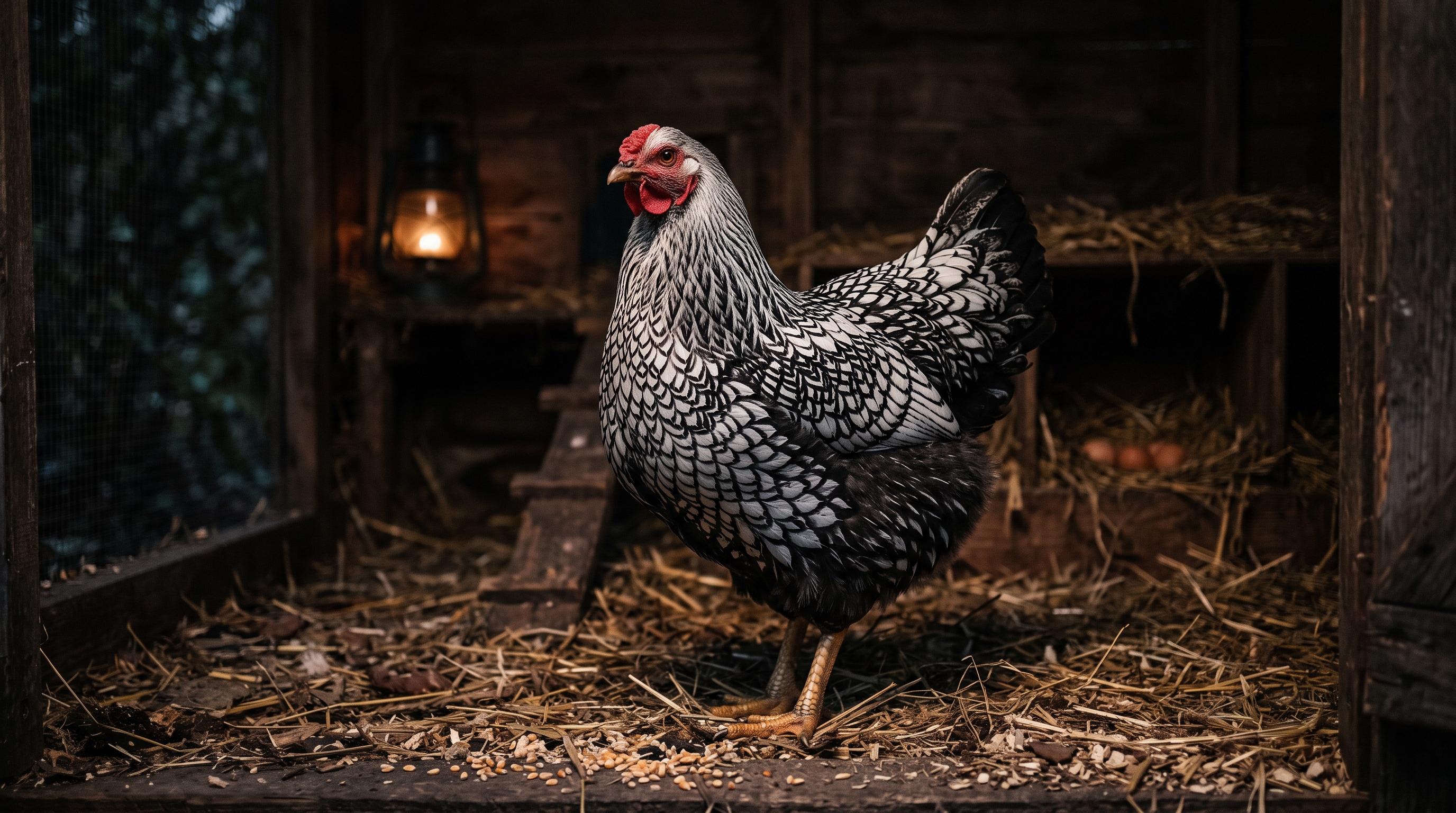
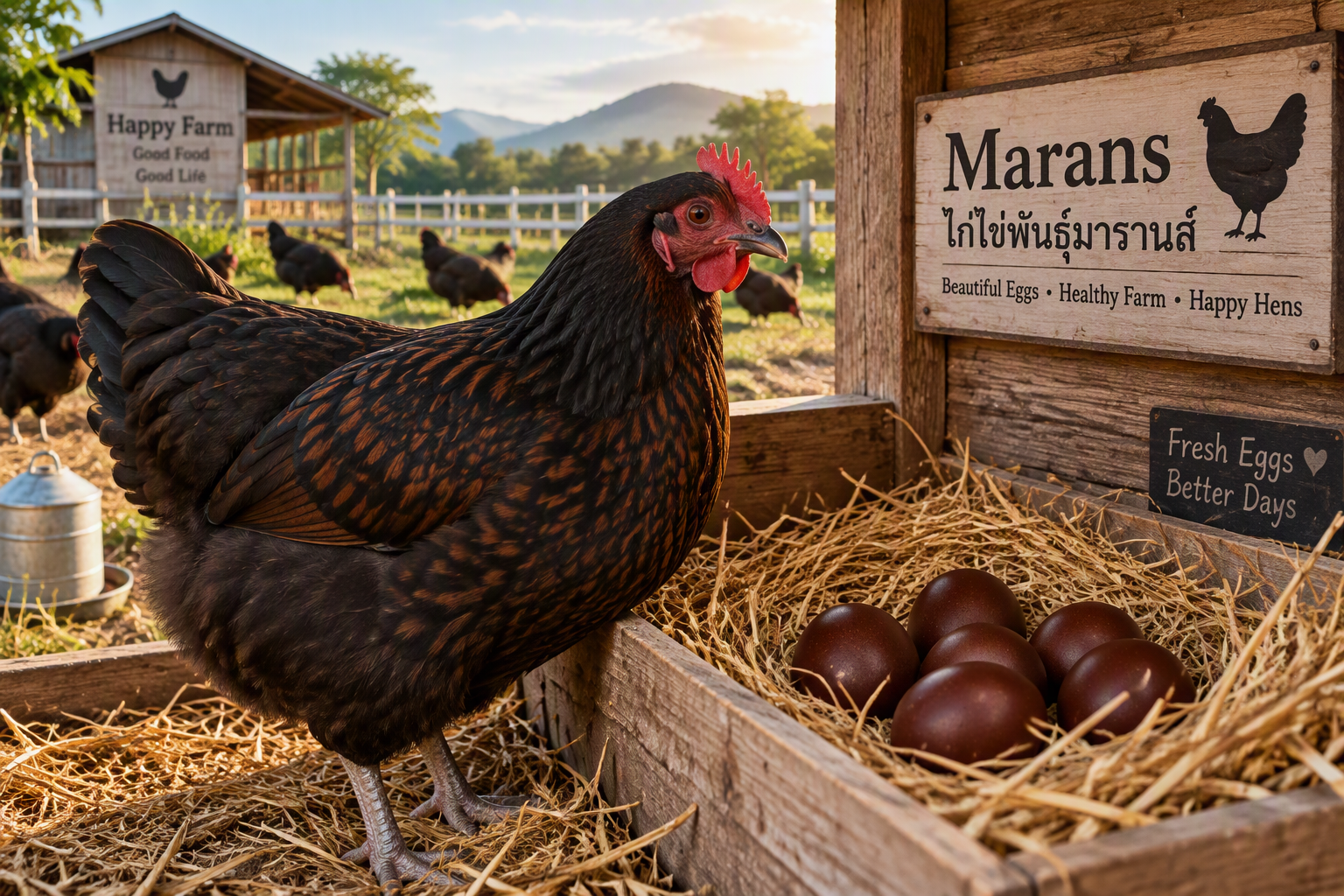
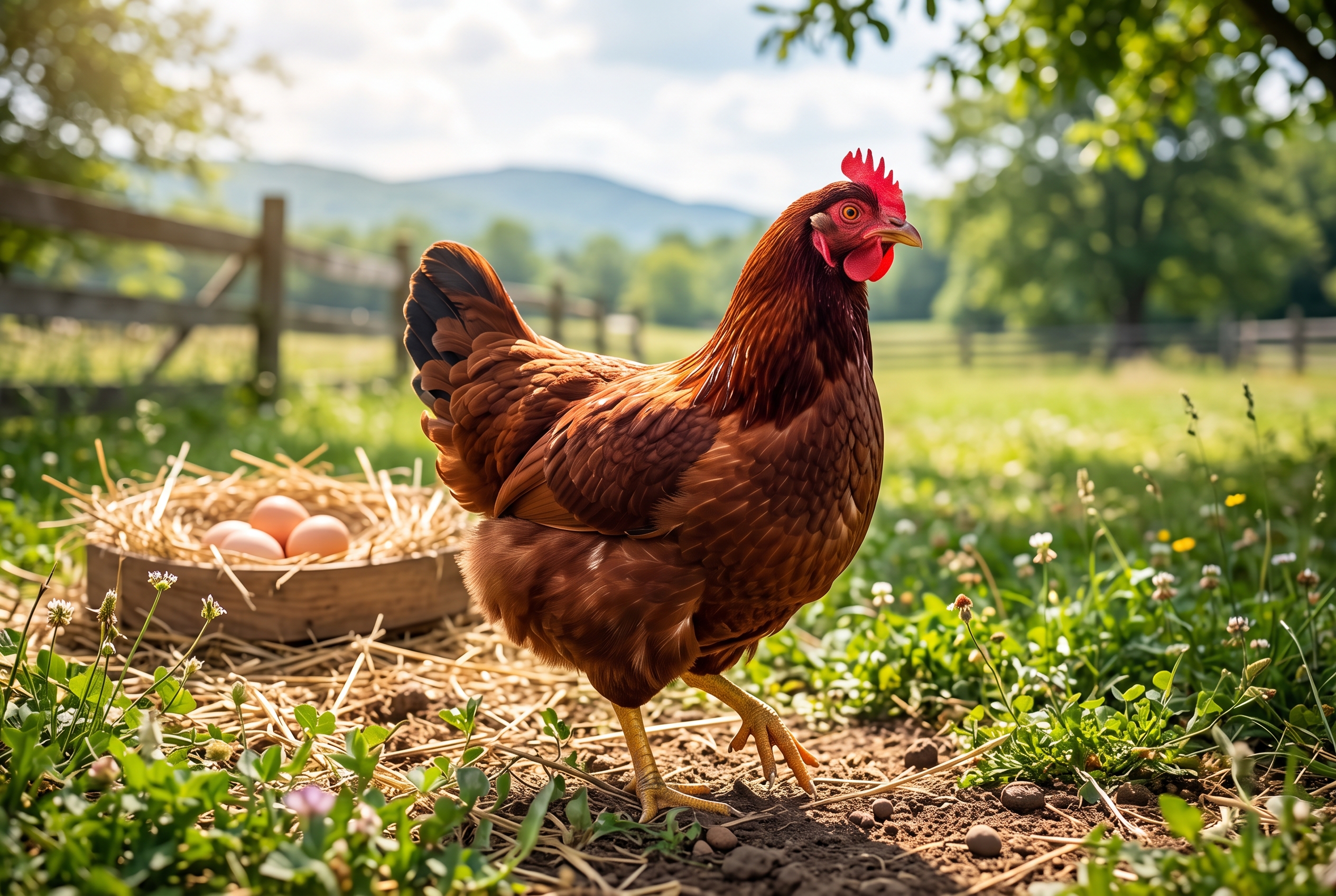
Beautiful laying chicken

🪱 AF Earthworms & Vermicompost 🐕 Thai Ridgeback Dogs 🥚 Heritage Laying Hens
Various breeds of beautiful egg-laying chickens
🌱
มูลจันทร์ฟาร์ม จำหน่าย ไส้เดือนAF, มูลไส้เดือนแท้, สุนัขไทยหลังอาน, ไก่ไข่สวยงาม หลายสายพันธุ์ (MOONJUN FARM) 33 Moo 4, Ban Chang, Phanat Nikhom, Chonburi 20140, Thailand
Beautiful laying chicken
Quality produce We breed and sell beautiful laying hens of many breeds at affordable prices.
↗
1 / 4
← Back to Home

NEWS & ACTIVITIES

All News & Activities

All news, bidding announcements and public relations activities (10 items)
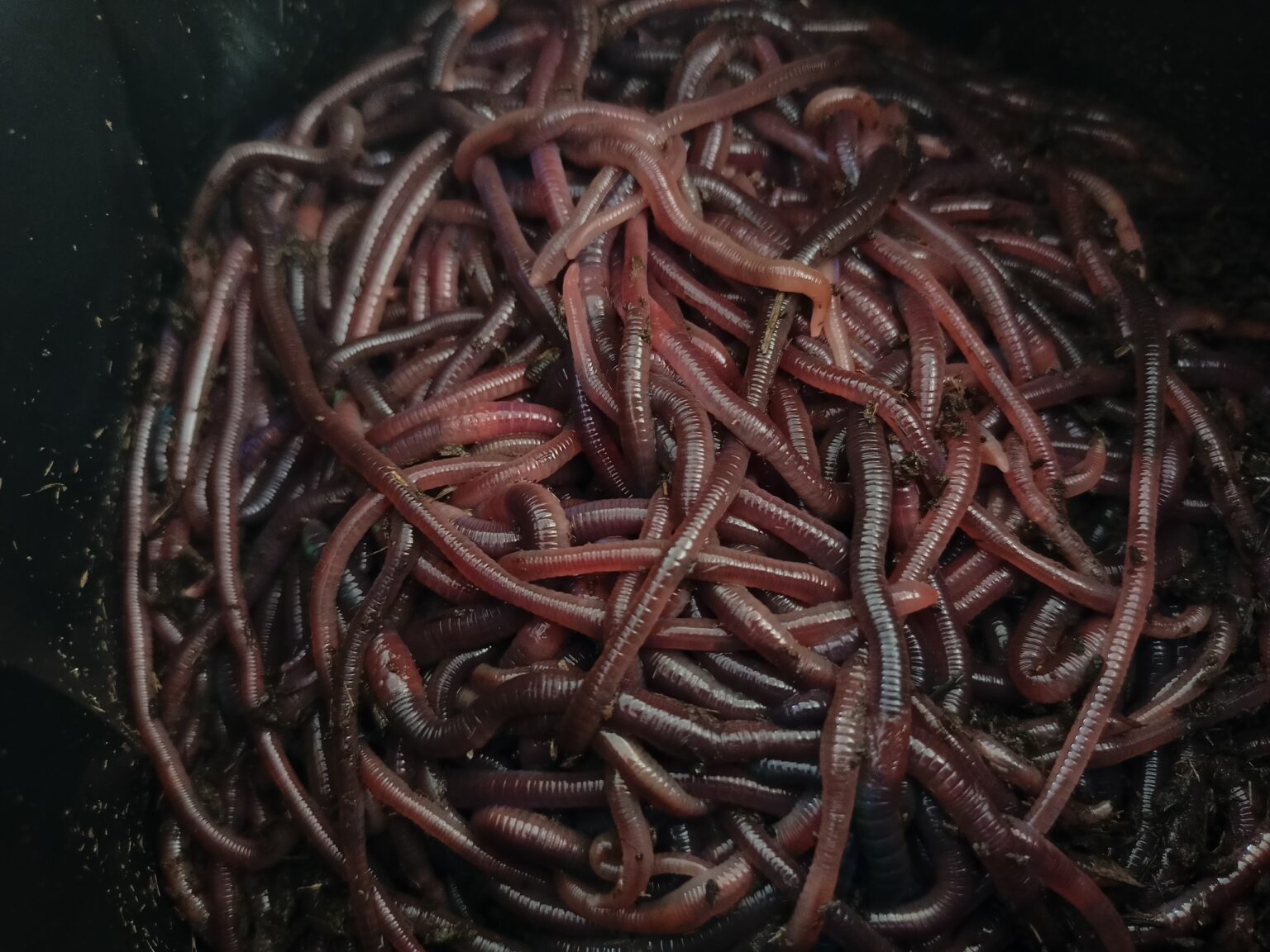
การเลี้ยงไส้เดือน
10 articles

News Category

การเลี้ยงไส้เดือน

Showing this category

การเลี้ยงสุนัขไทยหลังอาน
8 articles

News Category

การเลี้ยงสุนัขไทยหลังอาน

View articles
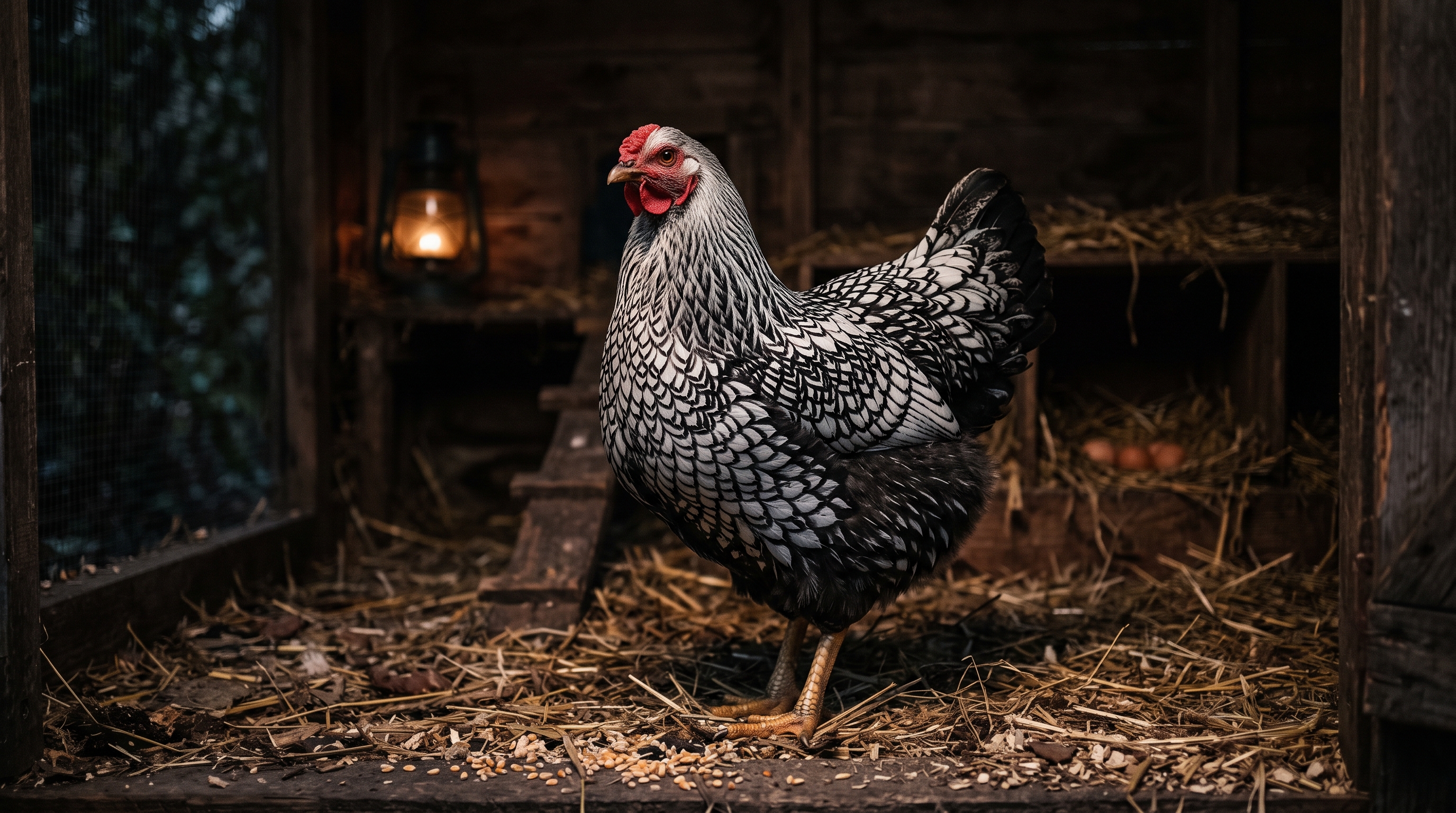
การเลี้ยงไก่ไข่สวยงาม
21 articles

News Category

การเลี้ยงไก่ไข่สวยงาม

View articles
⚡ Sort by: 🕒 Latest 🔥 Most Popular
Showing 10 articles
Start raising earthworms What do you need to know? 99

การเลี้ยงไส้เดือน

Start raising earthworms What do you need to know?

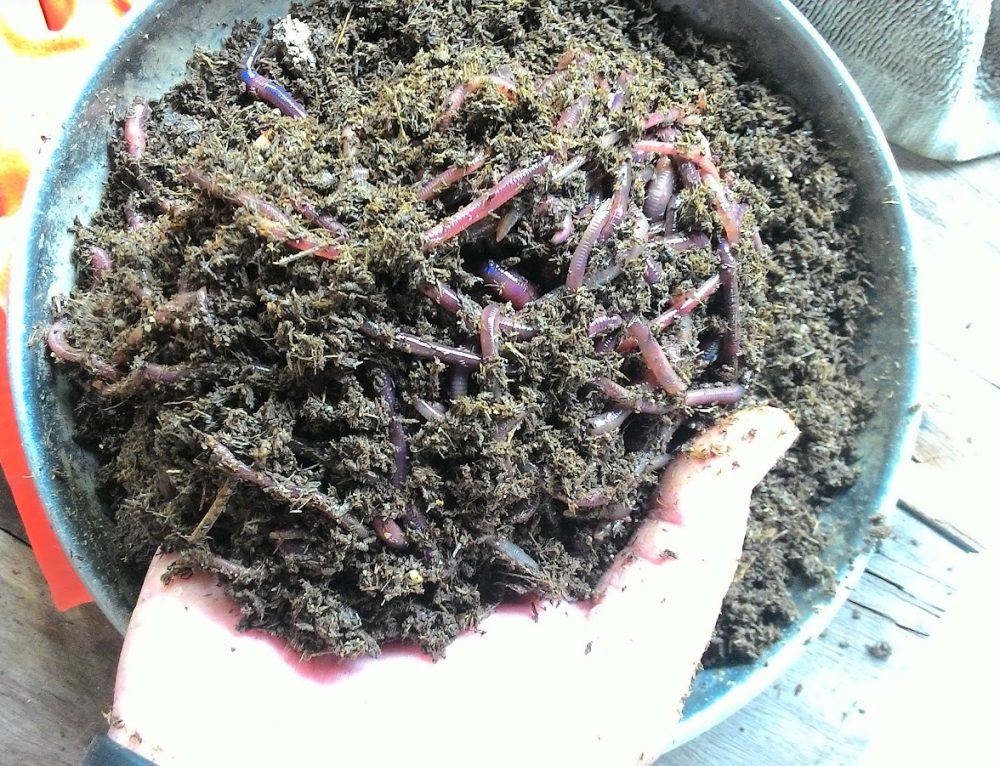
I would like to say it according to what I have tried to raise. I first started raising earthworms at the end of 2013. At that time, raising earthworms was not that popular. This made it quite difficult to find earthworms, but we were able to find 1 kilogram. The price at that time was almost 2,000 baht per kilo.The first time they were raised in a basin, they drilled holes and then stacked them in 4 basins. The first night passed and they began to see droppings. At that time, cow dung was used. Buffalo dung in the neighborhood which usually has a lot of soil mixed in I observed that the earthworms ate and gave droppings, but they did not grow much. Later, I studied more: I had to use cow dung, which in my area is hard to find, no one raises it, and it's expensive to find. When I found it, I brought it to try and care for it. Note that the difference is Earthworms eat quickly. and has a larger size It was different from the first time, so we used cow dung as the main raw material. In the production of vermicompost, simply put, we give it to earthworms. Dig the cow dung again. which after going through the process of eating and excreting the earthworms It will cause more microorganisms than the original cow dung. It has good nutrients that vegetable plants need.After getting milk from cow dung The capital must go into purchasing another basin. Now I think about what to do so that we don't have to invest more. So I ended up raising it on the cement floor. By using cow's excrement to milk Pile on the floor and release It appeared that the results were no different from raising basins.The advantages of raising fish in a basin are: Able to use space effectively because we can make basin shelves and stack them on multiple levels. But that means we always have to buy more basins if our earthworms expand.The advantage of raising cement floors is that they are easy to take care of. You can scoop them into the glider right away. Convenient to spray water But the disadvantage is that we use more space. Because they cannot be stacked together.Choose what is convenient for you. and suitable for the areaAt present, the farm does not soak cow dung. Using dry cow dung poured on the ground. Then use water injection to make the cow dung soft. Soak up as much water as possible for about 2 days, then release the earthworms in, meaning it saves soaking time. Save water for soaking. But it still has the same good results.The main food for earthworms is the excrement of all herbivorous animals. You can use it all or it can be vegetable scraps from the household. that has no sour taste Can put water in Earthworms will not eat fresh food and must wait for it to decay before the earthworms can come up and decompose the scraps of vegetables and fruits.Earthworms cannot get rid of food scraps. Absolutely do not add leftover rice. Because earthworms don't eat, they will cause various worms and bad smells.

Read Details → 99 views
What do earthworms eat? 125

การเลี้ยงไส้เดือน

What do earthworms eat?

Vegetable/fruit scrapsFruit and vegetable peels (banana, watermelon, papaya, etc.)Vegetable scraps from households such as cabbage, turnips, corngreen plant scraps (but must not be putrid)Decomposed animal manureDried cow manure already fermented → Most popularChicken manure, pig manure, goat manure(Should be fermented for at least 15–30 days before use)If there is a strong ammonia smell → earthworms can die.dry leavesLeaves that have been fermented or composted with animal manure.It is a source of food and helps retain moisture.Coffee grounds/ground egg shellsCoffee grounds are high in nitrogen, which earthworms love.Crushed egg shells help increase calcium.

Read Details → 125 views
Know the species of earthworms that are popular to raise. 197

การเลี้ยงไส้เดือน

Know the species of earthworms that are popular to raise.

1. African Night Crawler breed African Night Crawler or what we call AFLarge, up to 10-15 cm long.They are good at eating food and produce large amounts of fertilizer.Adapts well to hot and humid conditions.Produce good quality fertilizer suitable for agriculture2. Tiger species Tiger Worm– is a very popular breed– Small size, breeds quickly– Likes to eat organic matter that is decomposing– Resistant to the environment well3. European Nightcrawler Breed– It is a breed that produces good fertilizer and is suitable for raising as animal feed.– Bigger than Tiger but smaller than AF.– Grows more slowly than other varieties4. Pheretima species– Found everywhere in nature in Thailand– Can help improve the soil well– Not suitable for farming to produce large quantities of fertilizer.

Read Details → 197 views
Benefits of earthworms 117

การเลี้ยงไส้เดือน

Benefits of earthworms

1. Improve soil qualityEarthworms help till the soil. Make the soil structure airy Air ventilates and water permeates well. As well as excreting feces that are rich in key nutrients such as nitrogen, phosphorus, and potassium.2. Produce vermicompost (Vermicompost)100% pure organic fertilizer, safe for the environment. Accelerates the growth of the root and trunk systems, increases yield and reduces dependence on chemicals.3. Helps decompose organic matter and organic waste.Earthworms help remove vegetable, fruit and leaf scraps, helping to reduce the amount of organic waste in households and farms. Promote natural circulation system4. It is a good source of protein for animal feed.Earthworms are high in protein and amino acids. It is commonly used as a dietary supplement for fish, frogs, birds, chickens and pets.5. Maintain ecological balanceIt is an important food chain in nature and helps create beneficial microorganisms in the soil.

Read Details → 117 views
How to raise earthworms 195

การเลี้ยงไส้เดือน

How to raise earthworms

I would like to say it according to what I have tried to raise. I first started raising earthworms at the end of 2013. At that time, raising earthworms was not that popular. This made it quite difficult to find earthworms, but we were able to find 1 kilogram. The price at that time was almost 2,000 baht per kilo.The first time was raised in a basin. Drill holes and place them on top of each other in 4 basins. The first night passes and you start to see droppings. At that time, cow dung was used. Buffalo dung in the neighborhood which usually has a lot of soil mixed in I observed that the earthworms ate and gave droppings, but they did not grow much. Later, I studied more: I had to use cow dung, which in my area is hard to find, no one raises it, and it's expensive to find. When I found it, I brought it to try and care for it. Note that the difference is Earthworms eat quickly. and has a larger size It was different from the first time, so we used cow dung as the main raw material. In the production of vermicompost, simply put, we give it to earthworms. Dig the cow dung again. which after going through the process of eating and excreting the earthworms It will cause more microorganisms than the original cow dung. It has good nutrients that vegetable plants need.After getting milk from cow dung The capital must go into purchasing another basin. Now I think about what to do so that we don't have to invest more. So I ended up raising it on the cement floor. By using cow's excrement to milk Pile on the floor and release It appeared that the results were no different from raising basins.The advantages of raising fish in a basin are: Able to use space effectively because we can make basin shelves and stack them on multiple levels. But that means we always have to buy more basins if our earthworms expand.The advantages of raising cement floors are: Easy to take care of, just glide and scoop it into the glider right away. Convenient to spray water But the disadvantage is that we use more space. Because they cannot be stacked together.Choose what is convenient for you. and suitable for the areaAt present, the farm does not soak cow dung. Using dry cow dung poured on the ground. Then use water injection to make the cow dung soft. Soak up as much water as possible for about 2 days, then release the earthworms in, meaning it saves soaking time. Save water for soaking. But it still has the same good results.The main food for earthworms is the excrement of all herbivorous animals. You can use it all or it can be vegetable scraps from the household. that has no sour taste Can put water in Earthworms will not eat fresh food and must wait for it to decay before the earthworms can come up and decompose the scraps of vegetables and fruits.Earthworms cannot get rid of food scraps. Absolutely do not add leftover rice. Because earthworms don't eat, they will cause various worms and bad smells.

Read Details → 195 views
Earthworm enemies 174

การเลี้ยงไส้เดือน

Earthworm enemies

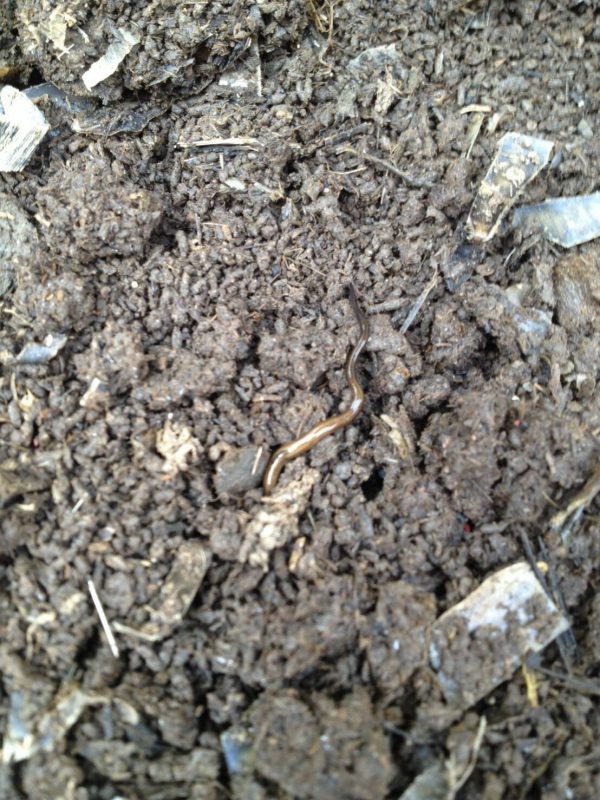
1. Planaria terrestrial plant This one is the most dangerous. Because it hunts earthworms for food. If seen in the pond, it should be removed and destroyed immediately. 2. Hammerhead Worm It looks like an earthworm but has a flat, hammer-shaped head. Yellow-brown with a black line running down the middle of the body. Eat earthworms as food If found in the farm area, it should be disposed of. 3. Ants and termites Ants will infest and bite the earthworm. Especially when the area is too dry. Protect by casting water on the greenhouse stand. 4. Chameleons, birds, and rats These insectivores will come and scavenge for earthworms. You should use a net or sash to completely cover the container.

Read Details → 174 views
Life cycle of earthworms 139

การเลี้ยงไส้เดือน

Life cycle of earthworms

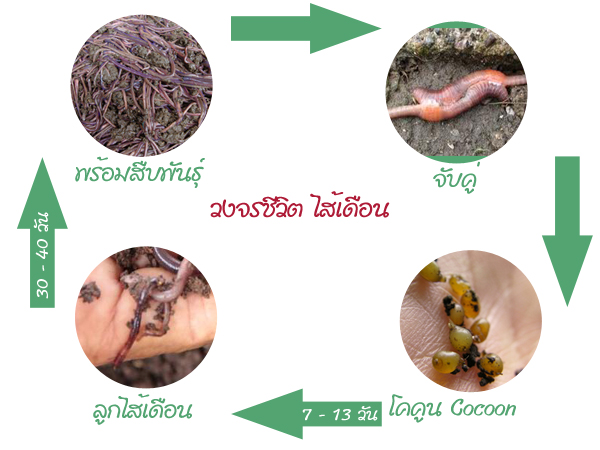
Life cycle of earthwormsMating of earthwormsEarthworms normally mate during the night when two earthworms mate by using their abdomen sides together and alternating heads and tails. The male reproductive organ is attached to the The spermatic cord of the other The reproductive button and the mucus around the clitoris hold each other together. Sperm from the male reproductive tract is carried into the sperm sac. Pairing takes approximately 1 hour to separate.When earthworms separate for about 2-3 days, there will be changes in the clitoral area. To create the egg sac (Cocoon), the mucous gland creates mucus covering the clitoral area and the cocoon secreting gland creates the cocoon's shell. which is a substance similar to chitin This substance hardens when exposed to air and becomes a sticky sheet. Later, the albumin secreting gland secretes albumin into the cocoon's shell.which has the female reproductive cavity at the clitoris The eggs will be released into the cocoon. After that, the cocoon will separate from the earthworm's body wall like a loose casing. When the earthworm shrinks and moves backward The cocoon moves forward. When moving through the opening of the sperm storage bag It will receive sperm into the cocoon. And there is fertilization inside the cocoon. When the cocoon escapes from the earthworm's body, the two ends of the cocoon shrink and close completely. It is an oval sac with a light yellow color, approximately 2-2.4 mm long and 1.2-2 mm wide. Each egg sac takes 8-10 weeks to hatch. Generally there will be 1-3 eggs, depending on the species. Some types of earthworms may have as many as 60 eggs. The earthworm larvae inside the eggs will grow and develop in various parts of the body. by using the nutrients contained within the egg sac While the embryo grows and develops in the egg sac, The walls of the egg sac will also change color. The egg sac that is newly released will have a faint color and as time passes the color of the egg sac will become darker accordingly. and will hatch at a later time

Read Details → 139 views
Nutrients in vermicompost 104

การเลี้ยงไส้เดือน

Nutrients in vermicompost

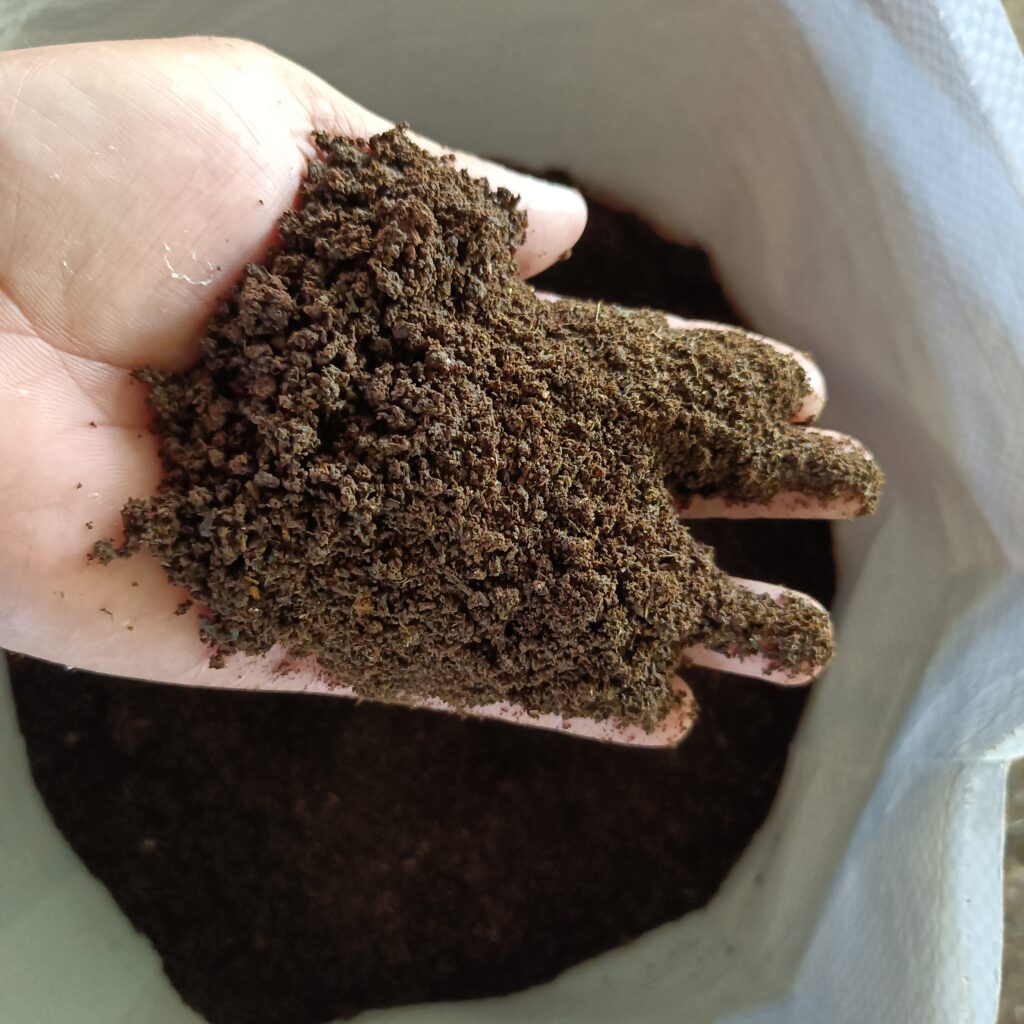
Nutrients in vermicompost Before talking about the amount of nutrients in vermicompost. Let's understand how each nutrient is important for plant growth. And if plants lack each type of nutrient What symptoms will the plant have? And how will it affect growth? (The following information comes from Virginia Tech's publication on hydroponic plants.)Nitrogen – The whole plant will be light green. The underside of the leaves are yellow. The plant will stop growing.Phosphorus(Phosphorous)– The entire plant is bluish-green. Most develop red or purple. The underside of the leaves may be yellow. and will dry to a greenish-brown color and then to black. The plant will stop growing.Potassium(Potassium)– The leaves are thin like paper. Along the edges of the leaves will dry up and die. The plant will stop growing.Magnesium(Magnesium)– The underside of the leaves will turn yellow. The top and edge of the leaves and between the leaf veins The underside of the leaves will wilt.Calcium - Flower stalks and young leaves will die.Zinc(Zinc)– The leaf tissue between the leaf veins is lighter in color. then change to yellow It is thin like a sheet of paper.Iron – The leaf pulp turns yellow while the leaf stem remains green.Copper(Copper)– The edges of the leaves are dark green or bluish. The edges of the leaves are bent upwards. Young leaves will permanently wither.Sulfur(Sulfur)– Young leaves turn pale green. while the old leaves are still green The plant stops growing and grows tall.Manganese(Manganese)– The plant stops growing. The underside of the leaves has alternating yellow and green stripes.Molybdenum(Molybdenum)– The leaves will stop growing. will turn pale green and malformedBoron(Boron)– Young leaves will be dry and scorched at the leaf tips and leaf margins.Molybdenum(Molybdenum)– The leaves will stop growing. will turn pale green and malformedBoron(Boron)– Young leaves will be dry and scorched at the leaf tips and leaf margins.Now we can guess why vermicompost is so good for growing crops. The answer is that vermicompost contains all the nutrients mentioned above. There will be more, some less, some not equal. And plants also require different amounts of these nutrients as well. Take the element molybdenum, for example. which is responsible for converting nitrate compounds into amino acids Molybdenum is a mineral (component of plant protein) which plants need more than once. But if given too much, it will be toxic to plants.This is because the nutrients in vermicompost depend on the method of raising and feeding the earthworms. Vermicompost from different farming methods will provide different nutrients. To provide brief information Vermicompost contains nutrients and minerals in the following proportions.– Organic carbon 20.43-30.31%-Nitrogen 1.80-2.05%– Phosphorus 1.32-1.93%– Potassium 1.28-1.50%– Carbon to nitrogen 14-15:1 %– Calcium 3.0-4.5%– Magnesium 0.4-0.7%– Sodium 0.02-0.30%– Sulfur detected up to 0.40%– Iron 0.3-0.7%– Zinc 0.028-0.036%– Manganese detected up to 0.40%.– Copper 0.0027-0.0123%– Boron 0.0034-0.0075%– Aluminum detected up to 0.071%.– Cobalt and MolybdenumFrom the numbers of nutrients in vermicompost above. If compared with that contained in general cultivation soil, it will be found that there is only less iron in vermicompost than in general cultivation soil. As for aluminum and magnesium They will be in similar quantities. In addition, other nutrients in vermicompost are much more abundant than in general cultivation soil, such as nitrates. In vermicompost, there are 9 times more than in general cultivation soil. The presence of quite a lot of mineral compounds in vermicompost makes it an electrical conductor. Higher than general cultivation soil Although worm castings do not burn plants like chemical fertilizers, But if you use a lot at one time, it will cause the plants to stop growing as well.From studying the appropriate ratio of vermicompost to cultivation soil. The researchers experimented with growing crops with different ratios of vermicompost and soil. It was found that the ratio of vermicompost to soil that gave the plants the best growth was Use 25% vermicompost mixed with 75% soil, but how? Just adding 10% of vermicompost to the soil will cause plants to grow significantly better than soil without adding it. But if vermicompost is added up to 40%, it will affect the growth of plants. And it will look worse than soil without adding vermicompost.Source of information: From the article on Chemical side of worm casting of the website www.worldofworms.com

Read Details → 104 views
Tiger earthworm 100

การเลี้ยงไส้เดือน

Tiger earthworm

Tiger worm (The Tiger worm, Manure worm, Compost worm)It is a red earthworm with a small, round body. The body is bright red. See each segment clearly divided. Can multiply quickly and has a strong body odor. It has the following general characteristics:– The body has a size of 35-130 x 3-5 millimeters.– The body is red. The body between the segments and the area at the tip of the tail is yellow.– Lives 4-5 years, but usually lives 1-2 years when raised in a pond.– Reproduce by means of sex– Generates an average of 150-198 egg bags/bird/year.– Can produce approximately 900 eggs/bird/year– It takes approximately 32-40 days to hatch (depending on the season), with an average of 3 eggs/egg bag.– It takes 3-6 months to grow to full size (depending on the season).– Lives on the surface of the soil Eats decomposed organic matter and small particles.European countries, America and Australia It is popular to use this species of earthworms or a similar species, the Eisenai Andrei species (not mentioned here) to be used in the disposal of organic waste and in the process of producing vermicompost. It is a commercial variety that is popular throughout the world. There are several reasons why vermicompost producers choose this species: This species of earthworm is commonly found in areas with organic waste. They will multiply and grow in the piles of organic waste. It is a variety that is tolerant of a wide temperature range. and can survive in organic waste with various levels of humidity Overall, this is a species of earthworm that is very resistant to adverse environmental conditions. Makes it easy to raise

Read Details → 100 views
Earthworm AF 106

การเลี้ยงไส้เดือน

Earthworm AF

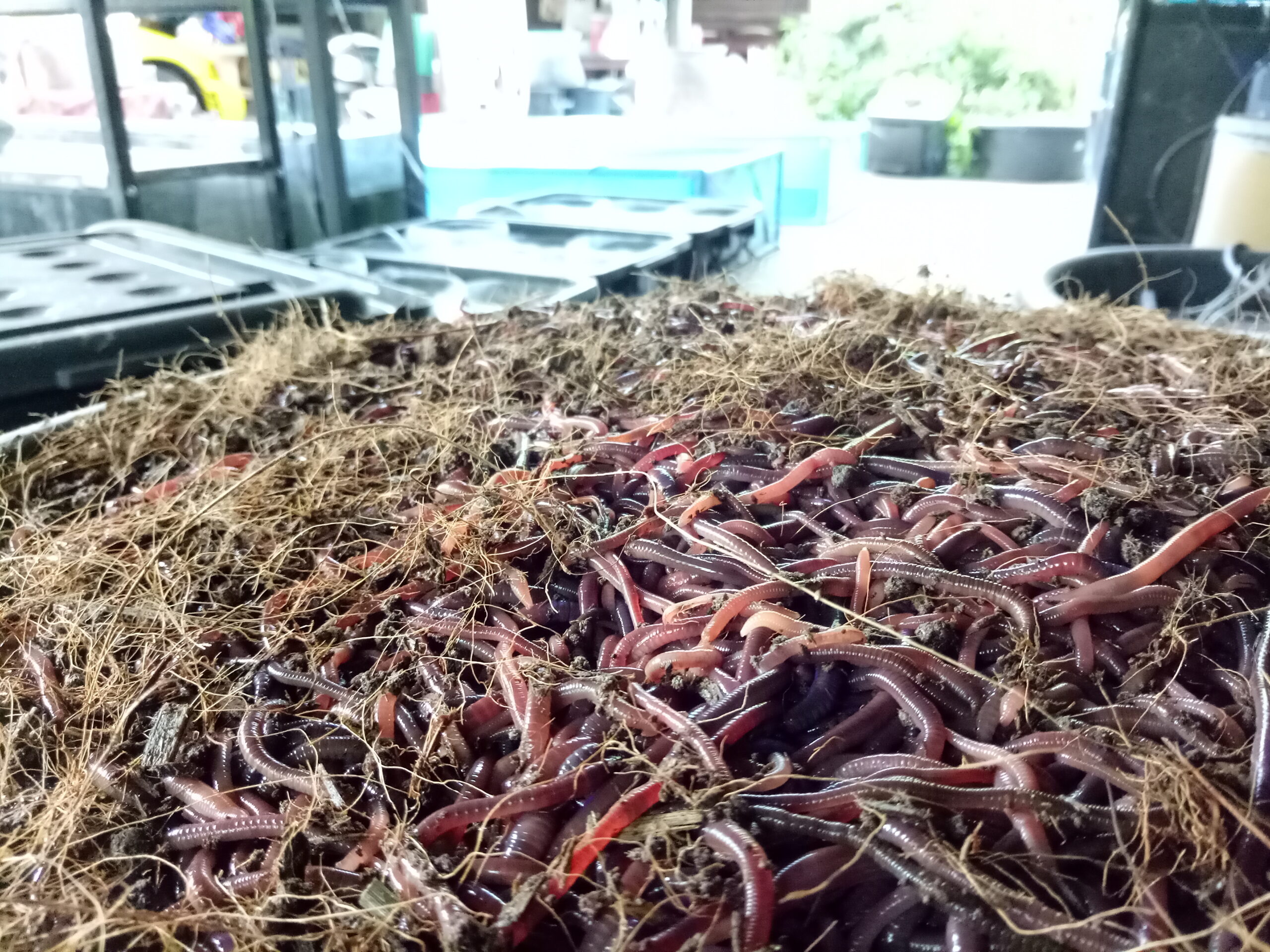
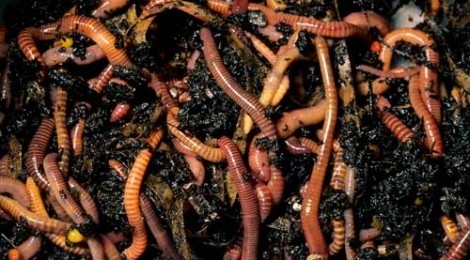
Earthworm species AF (African Night Crawler)Earthworm AF is popular for Raising earthworms to produce fertilizer Due to the habit of earthworms being good at eating. and provides quite good vermicompost They also breed quickly and are quite large. Sorting is therefore easier than other species.General characteristics– The body has a size of 130-250 x 5-8 millimeters.– The body is reddish-brown mixed with grey.– Reproduce by means of sex– Mating pairs underground– Can create an average of 162-188 egg bags/bird/year.– It takes approximately 13-27 days to hatch, with an average of 2 eggs hatching/egg bag.– Takes 6-10 months to grow to full maturity.– Lives on the surface of the soil Eat decomposed organic matter as food.– Has a long life of 4-5 yearsThis species of earthworm is a red earthworm that is quite large. Grows and reproduces very quickly. Generally known as the African night crawler, it can move quickly. This species of earthworm is widely raised. In addition to being used in the production of vermicompost, this species of earthworm is also very suitable for producing protein supplements for use in animal feed. Because they are large and have a very high rate of reproduction. But there are disadvantages that this species of earthworm has a low tolerance to inappropriate temperature ranges, is difficult to raise, and difficult to harvest. This is because this species of earthworm is native to the tropics. which likes relatively high temperatures They will not grow well in temperatures below 10 degrees Celsius and will die in temperatures below 10 degrees Celsius. Raising this species of earthworm in cold regions is limited to being raised only in greenhouses with temperature control during winter in order to be raised well. For raising outside the greenhouse It is suitable only for tropical or sub-tropical areas. For the use of waste management, it was found that This species of earthworm has the ability to quickly decompose large quantities of waste.

Read Details → 106 views
8 LINE