
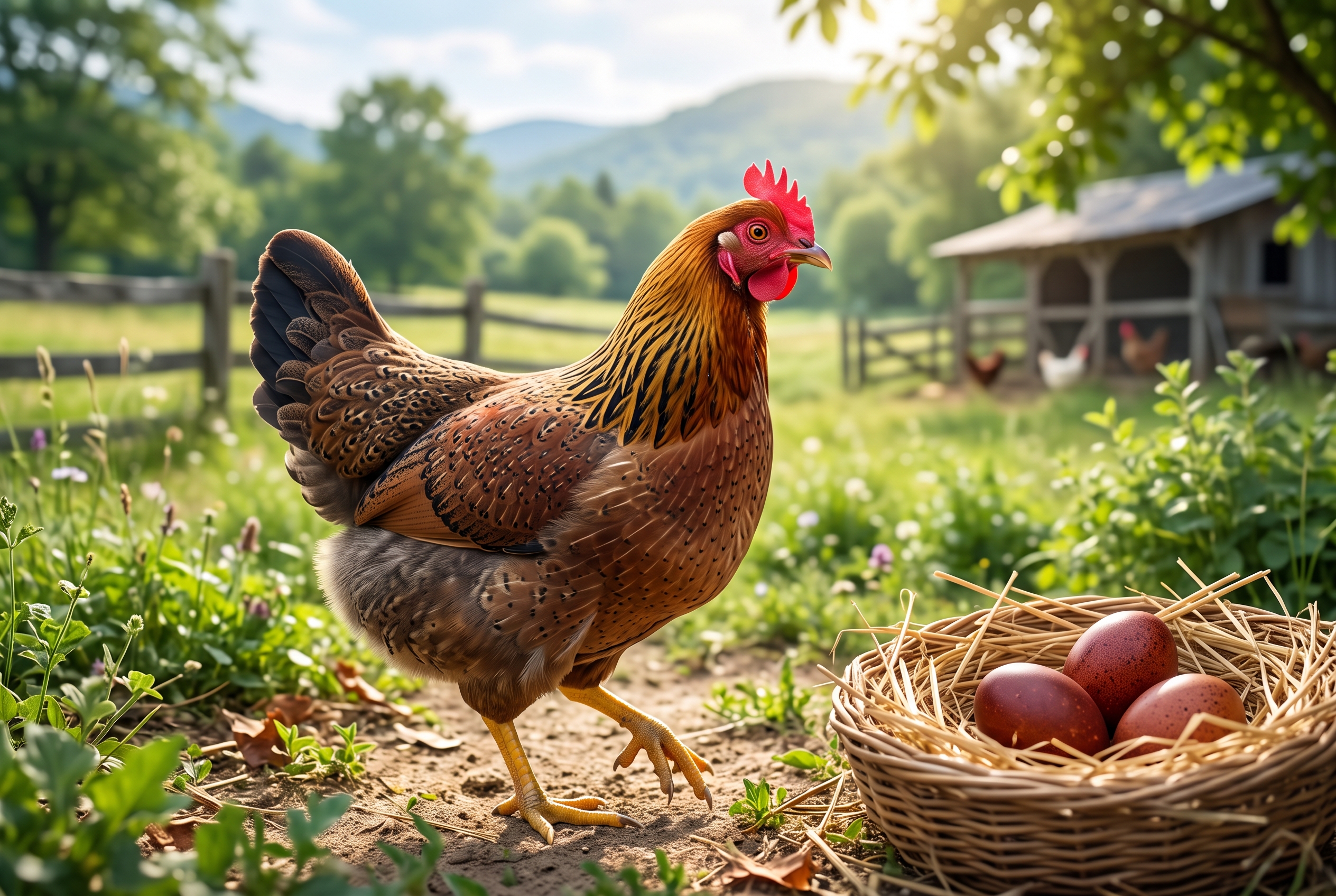
Welsummer Chicken
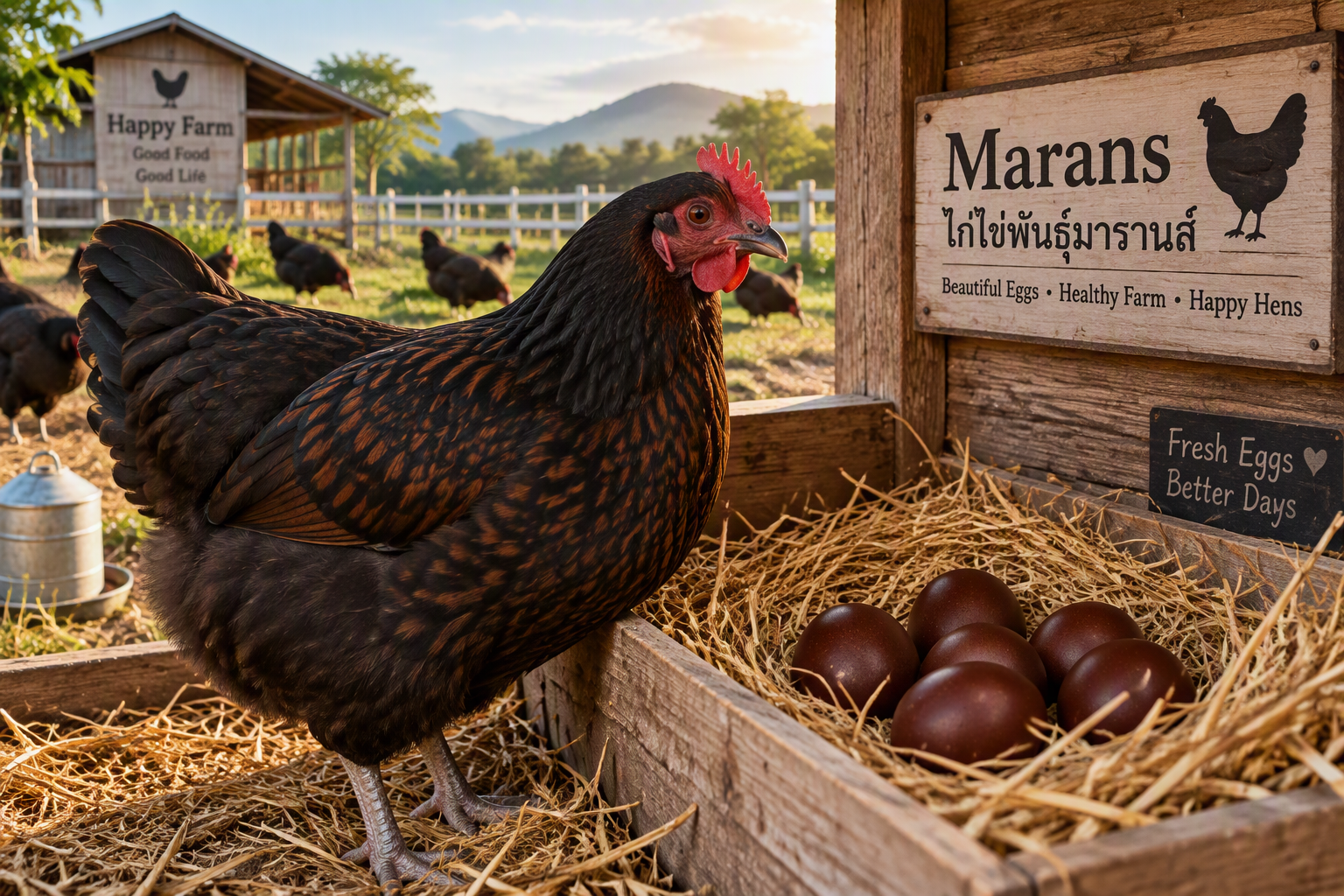
Welsummers are semi-egg meat chickens from the Netherlands. It is famous for its dark brown or terracotta brown shell eggs. Some eggs dotted with dark brown spots. They are strong, good at finding food, and suitable for free-range raising.
History
Welsummer chickens were developed in the early 20th century in the village of Welsum, Netherlands. It was developed from native chickens along with several chicken breeds such as the Rhode Island Red. Barnevelders, Leghorns and some Asian breeds
The goal of development is to obtain chickens that:
- Strong and good at finding food
- Give eggs a dark brown shell.
- It has a shape suitable for using both eggs and meat.
- It adapts well to being raised on farms and rural areas.
Later, Wellsummer became popular in many countries. Especially in Europe and the UK. Because of its distinctive eggshell color and beautiful fur pattern.
Breed characteristics
Appearance
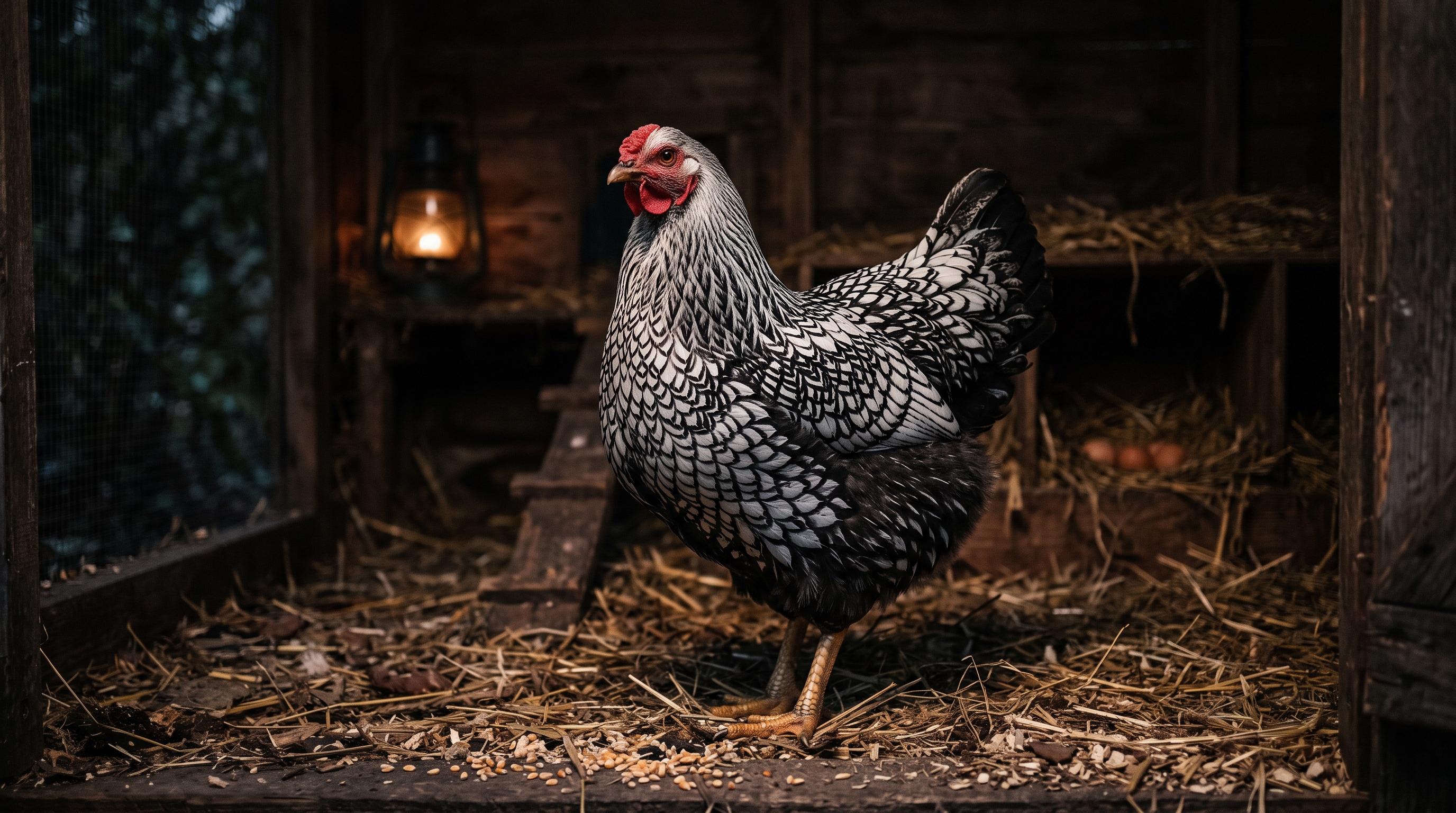
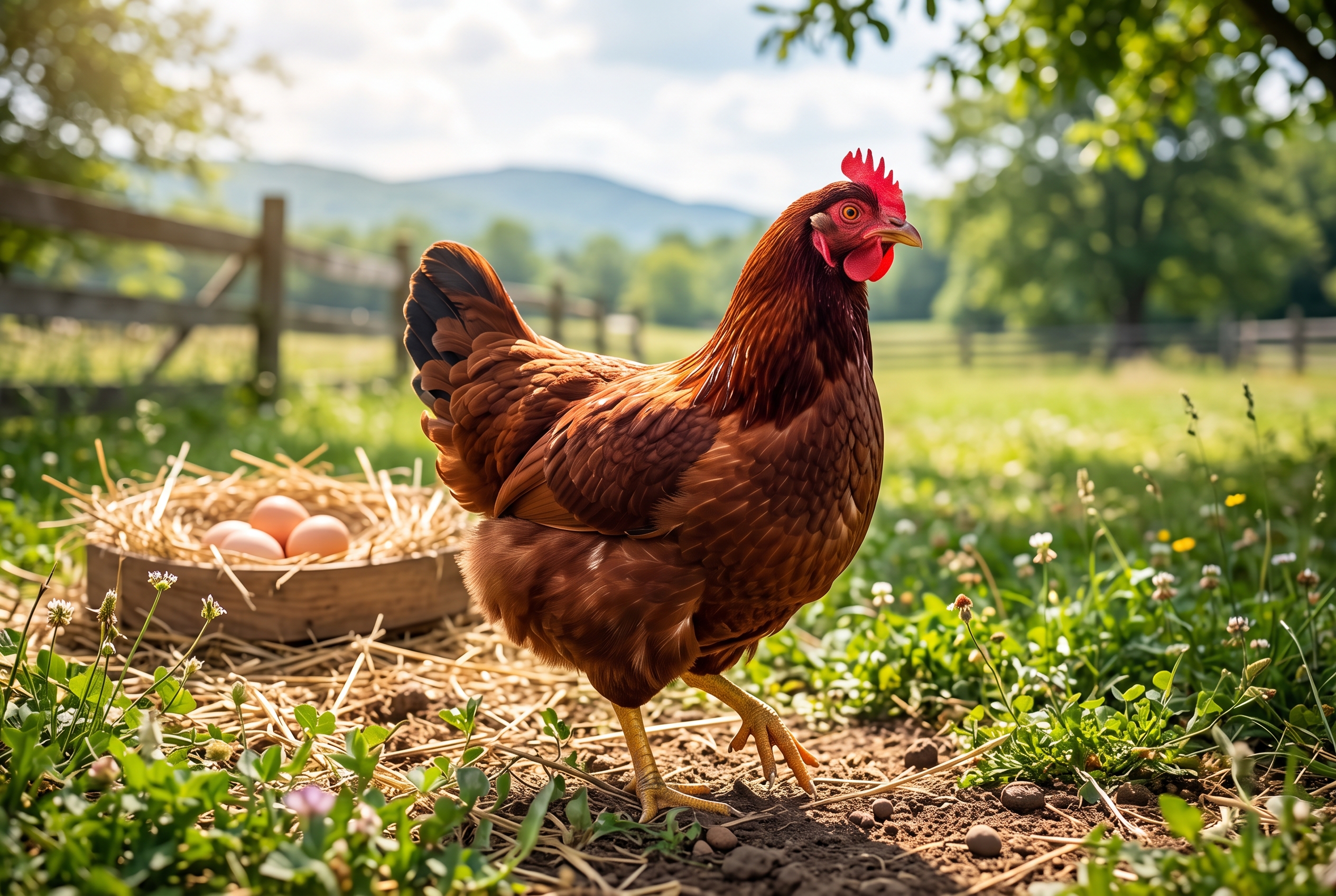
The most common colors are Red Partridge or red partridge color The male and female have clearly different patterns.
Chicken Dad
- The head and neck are reddish-brown or copper.
- The back and shoulders are dark red.
- The chest and tail are black. Some of it was glowing green.
- The body is elegant and quite muscular.
Hen
- Brown ground fur It has a detailed pattern similar to chicken and quail.
- The neck area is gold or dark brown and has black stripes.
- The body helps camouflage well when hunting for food in nature.
Common characteristics
- red crested chakra
- Red earlobes and wattles
- red-orange eyes
- The legs are yellow and hairless.
- medium sized body The back is quite long and the chest is deep.
- Adult chickens weigh about 3–3.5 kilograms.
- An adult hen weighs approximately 2–2.7 kilograms.
Weight may vary according to breed, selection and farming methods.
Egg characteristics and production
Wellsummer's eggs are characterized by:
- The bark is reddish brown or terracotta brown.
- Some bubbles have dark brown spots or freckles.
- medium to large size
- They generally produce about 160–200 eggs per year.
The dark color on the shell is the pigment that accumulates towards the end of egg formation. Therefore, some parts may be wiped off when the eggs are still fresh. The shell color may lighten as the hen continues to lay eggs. and becomes darker after resting or shedding.
Welsummers produce fewer eggs than commercial hybrids such as ISA Brown, Hy-Line Brown and Lohmann Brown, but can continue to be bred and retain their characteristics. If using quality purebred parents
character
- alert and enthusiastic
- Good at finding food naturally
- Suitable for free-range raising
- Generally not aggressive and can get used to people.
- Some male chickens may be territorial.
- Some hens may hatch eggs. But the hatching instinct is not consistent.
- Can fly over low fences. Therefore, there should be a suitable fence.
How to raise
1. Preparing the greenhouse
The greenhouse should be dry, airy and well ventilated. Can protect from rain, sun, strong winds and predators. Foundation materials such as rice husks or wood shavings. Must not be wet.
Should provide:
- The perch is approximately 20–25 centimeters wide per individual.
- Approximately 1 nest per 4–5 hens.
- Sufficient food and water containers
- Scavenging and dust bathing areas
- Shade in the release area
- Fencing protects against dogs, snakes and predators.
Even with good weather resistance But it should not be raised densely. Because it increases stress, pecking, and the spread of disease.
2. Raising chicks
Prepare the brooding area before raising chicks. In the first week, the temperature at the level of the chicks should be around 32–35 degrees Celsius, then gradually decrease by about 2–3 degrees per week.
Observe behavior to adjust temperature:
- The chicks are huddled together under the brooder, showing that they are cold.
- The chicks stay away and open their mouths to breathe, indicating they are hot.
- Chicks spread out and eat normal food. Shows that the temperature is appropriate
Chicks must receive clean water and food immediately. Shouldn't let the floor get wet. Because it increases the risk of disease and cold.
3. Food according to age
- Age 0–6 weeks: Chick food, approximately 18–20% protein.
- Approximately 7–17 weeks of age: Young chicken food, approximately 15–17% protein.
- Starting to lay eggs: gradually switch to laying hens' food.
- Egg-fertilizing stage: Diet containing approximately 16–18% protein with appropriate calcium and phosphorus.
Vegetables, grasses, insects and grains can be supplemented, but they should not be given so much that the chickens are eating less of their main food. If raising free range, there should be crushed stomachs or gravel for poultry in cases where there is no natural gravel in the area.
Layer feed that is high in calcium should not be used to feed chicks or young chickens for a long time. Because it may have negative effects on kidneys and growth.
4. Drinking water
There must be clean water available to drink at all times. Especially in hot weather Water containers should be washed regularly. Set it in the shade. and check that the water head is not clogged
Dehydration causes chickens to eat less feed, reduce their egg count, and quickly deteriorate eggshell quality.
5. Light management
Hens in the egg-laying stage should receive approximately 14–16 hours of total light per day. If using additional lighting The opening and closing times should be set regularly.
The light should not be turned on before the young chickens are of appropriate age and weight. Because it may cause eggs to start too early. The eggs are small. and affect long-term productivity
6. Raising in Thailand
Welsummer originates from temperate regions. When raising them in Thailand, they must be careful with heat and humidity. They should:
- Make the house open and have wide eaves.
- There are trees or other materials to provide shade.
- Provide clean water that is not very hot at all times.
- Increase the number of watering points in summer.
- Provide food in the morning and evening.
- Avoid handling or moving chickens during the day.
- Reduce herd density
- Keep the foundation material dry in the rainy season.
If the chicken opens its mouth to breathe, spreads its wings, is lethargic, or eats less food. You should quickly reduce the heat and increase ventilation.
7. Disease prevention
- Clean the greenhouse and equipment regularly.
- Separate new chickens before bringing them into the flock.
- Isolate sick chickens immediately.
- Controls rats, wild birds, mosquitoes, mites and lice.
- Do not share equipment with other farms without cleaning it.
- Deworm according to risk and veterinarian's advice.
- Organize vaccination programs according to diseases found in the area. By consulting a veterinarian or livestock officer.
strength
- The eggs have dark brown shells and beautiful patterns.
- It's a purebred chicken. Can continue to breed
- Strong and good at finding food
- Suitable for independent release systems
- Can be used for both eggs and meat.
- It has a beautiful fur pattern. Suitable for conservation farming
Precautions
- Gives fewer eggs than commercial hybrid laying hens.
- Eggshell color may fade during the laying cycle.
- The hatching of eggs by hens is irregular.
- May fly over fences that are too low
- There must be space to exercise and find food.
- Special care must be taken with heat and humidity in Thailand.
In conclusion, Welsummer is suitable for owners who want purebred chickens with beautiful colors. Make the eggs have dark brown shells that stand out. and can continue to breed within the farm But if the main goal is the maximum number of eggs Commercial hybrid laying hens are more productive.