

Araucana chicken breed Originating from Chile. in South America It is believed to have developed from native chickens that the "Mapuche" tribe has raised for hundreds of years.
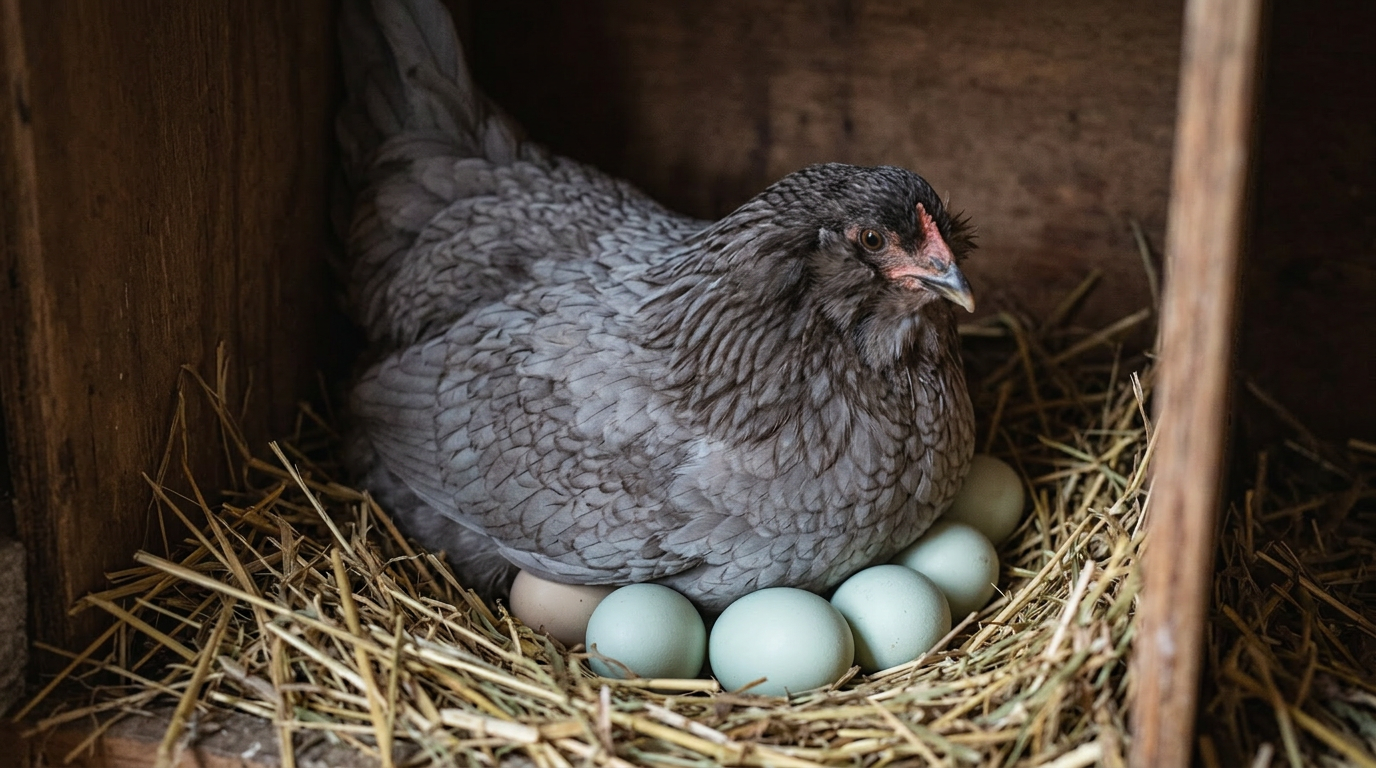
Araucana is known throughout the world for its ability to produce naturally blue-shelled eggs. This is clearly different from other breeds of chicken. It became the origin of many breeds of colored-laying chickens today, such as the Ameraucana and the Easter Egger.
Breed characteristics Build: medium sized body, broad chest, strong, relatively short back, medium length legs.
Distinctive characteristics of the breed
1. No tail (Rumpless) Many Araucana species have no tail or have very short tail bones. Makes it look different from other chickens.
2. Ear Tufts: There are hair tufts protruding from the sides of the ears, which is an important characteristic of the breed.
3. Pea Comb: Low crest, heat and cold resistant well.
Fur color
Found in many colors such as
Black
White
Blue (Blue)
Silver (Silver Duckwing)
Golden color (Golden Duckwing)
Wild Type
weight Males approximately 2.5-3.0 kilograms, females approximately 2.0-2.5 kilograms.
ability to produce eggs Start laying eggs at 5-7 months of age, giving an average of 180-250 eggs per year. Blue or greenish eggshellEgg weight approximately 50-60 grams.
Highlights of the Araucana chicken breed
✅ Give eggs a natural blue color
✅ Eggs have a higher value than normal eggs.
✅ Strong and disease resistant
✅ Likes to find food on its own in open areas.
✅ Suitable for organic farms and tourist farms.
✅ Can be used as a breeder to produce hybrid colored egg laying hens.
How to raise
1. Greenhouse Good ventilation The roof protects from sun and rain. The floor is dry and not damp. There is at least 3-4 areas per square meter.
For free raising There should be a lawn or garden area for scavenging food.
2. Food
Chick stage (0-8 weeks): 20-22% protein diet, clean water available at all times.
Young chicken stage (8-18 weeks) 16-18% protein, supplemented with vitamins and minerals.
Laying chicken stage: Protein 16-18%, calcium 3.5-4%, supplement with crushed shellfish or crushed limestone.
3. Light management
It needs about 14-16 hours of light per day. If raised during the day with short light Should add lighting
4. Health care
Vaccination should be done according to the program, including:
Newcastle (ND)
Gamboro (IBD)
Infectious bronchitis (IB)
Chicken smallpox
and should be dewormed every 4-6 months
5. Hatching
Araucana's important observation is that
Some hens have good egg-laying habits and can be used for natural incubation if a high hatch rate is desired. Commonly used incubators
strength
Get beautiful and unique blue eggs. The egg selling price is higher than normal eggs, strong, easy to raise, saves on food costs when raised free, suitable for farming premium colored eggs.
weakness
Breeding is more difficult than normal chickens. Especially the tailless species. Ear tassels are a gene that may affect hatch rates in some breeds. Purebreds are quite rare and expensive.
summarize
The Araucana chicken is a blue egg-laying chicken originating from Chile. It is unique in that it has no tail and has fur tassels on its ears. Gives about 180-250 natural blue eggs per year. Strong and likes to feed on its own. Suitable for those who want to raise premium colored laying hens. Or use it as a breeder to produce blue eggs and green eggs that are of high value in the market. 🥚💙🐔